COURSING ABILITY TEST II
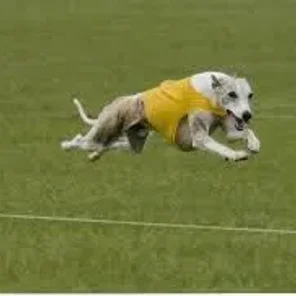
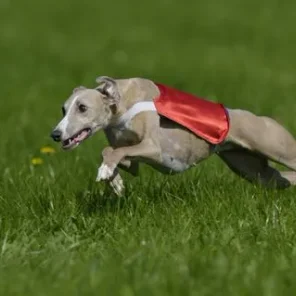
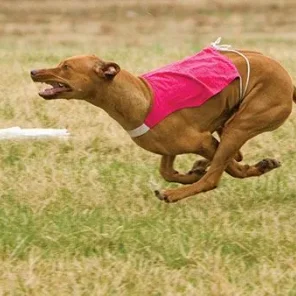
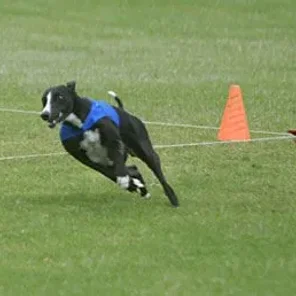
After first witnessing Dino chasing the lure, Phillips became so interested in coursing that she formed her own all-breed lure coursing club in northern California where she resides.
Pug-Zu (Designer Dog)
Powderpap (Designer Dog)
Pungsan
Posavac Hound
Pugapoo (Designer Dog)
Pug-A-Mo (Designer Dog)
Pyredoodle (Designer Dog)
Pugwich (Designer Dog)
Dog
Poshies (Designer Dog)
Pug
Pražský Krysarík
Pugland (Designer Dog)
Pugshire (Designer Dog)
Pugairn (Designer Dog)
Pudelpointer
Puginese (Designer Dog)
Pushon (Designer Dog)
Pyrenean Mastiff
Puggle (Designer Dog)
Puggat (Designer Dog)
Pugese (Designer Dog)
Pumi
Pyrador (Designer Dog)
Puli
Pyrenean Shepherd
Portuguese Podengo
Portuguese Pointer

Graystone Electronics
Apr 11, 2015
8 photos
2 links
She said she is thrilled AKC is allowing non-sighthounds to title in the sport. Not only is coursing fun, it offers many other benefits ranging from exercise to a remedy for boredom.
"So many times, people get a dog as a cute fluffy puppy, play with him or her and then, as the dog gets older and stronger and more demanding of their time, the dog spends more and more time in the backyard. As the dog gets older, it starts to go nuts," Phillips said. "Lure coursing gives these people and dogs an event where they can spend time together and have fun, and the dog can get the exercise it needs, all with very little training."
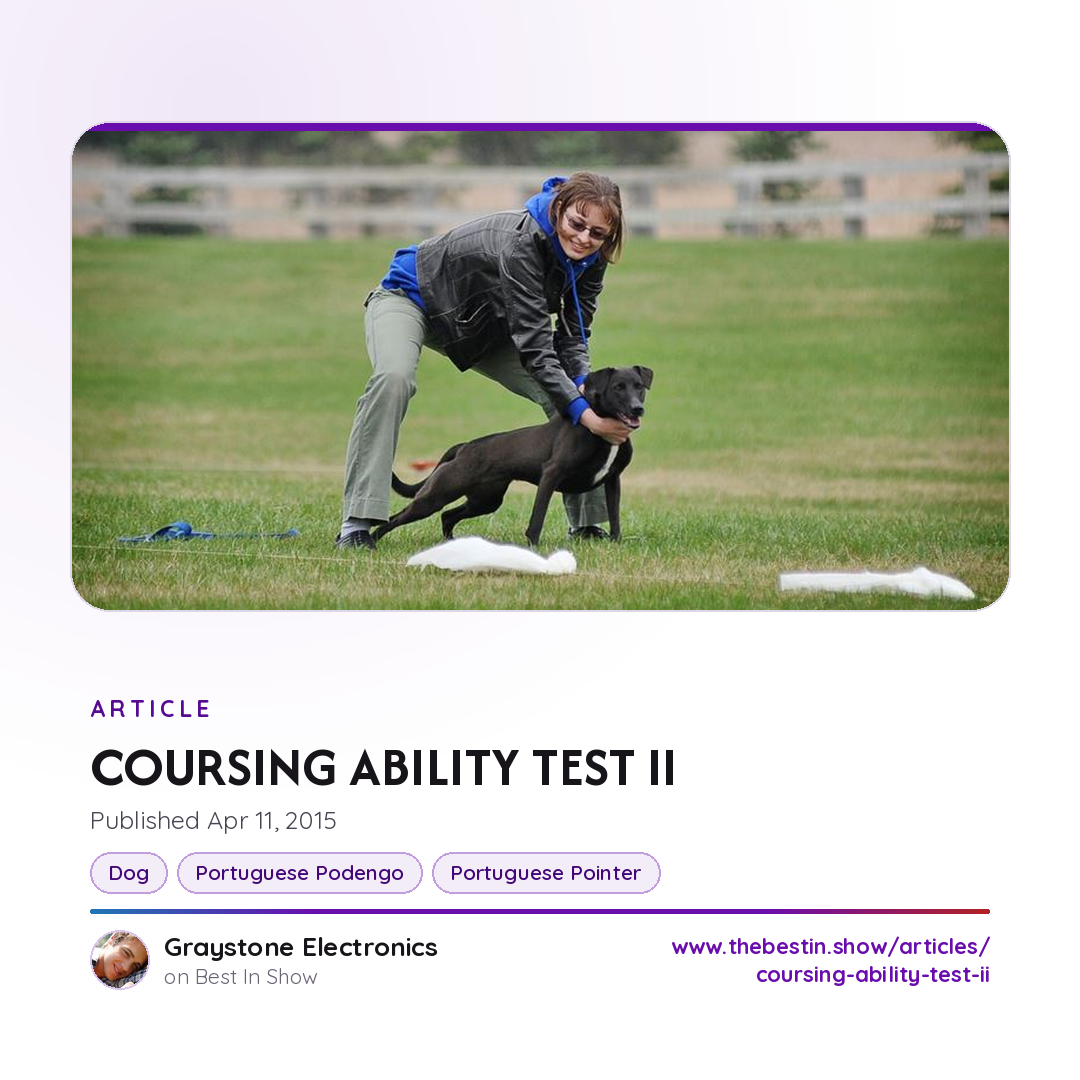
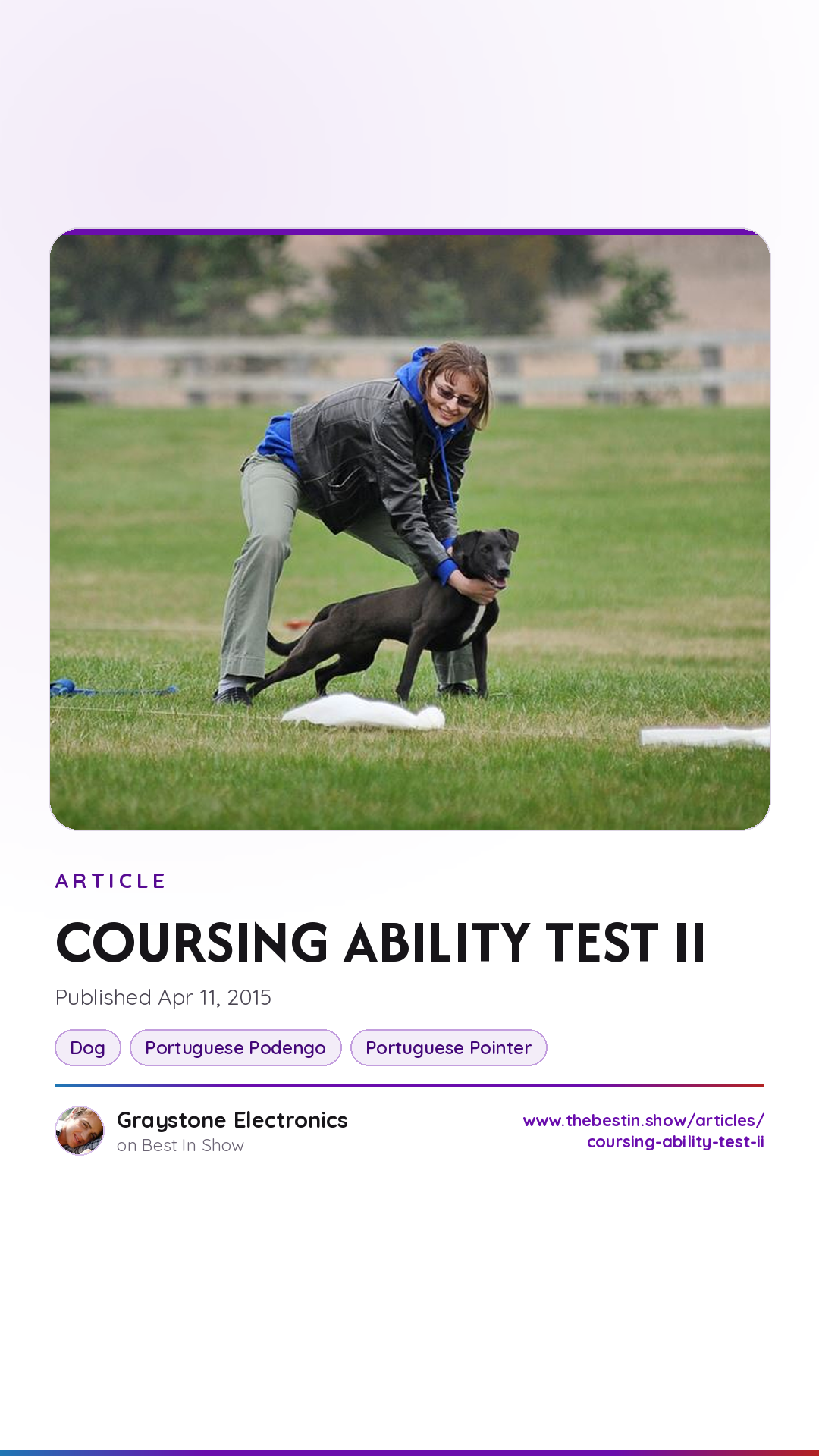
Millie, an AKC Canine Partner, earned her first qualifying ribbon at a Coursing Ability Test held by the Bluegrass Coursing Clubon Feb. 25. Millie is proudly owned by Bob Keller of Clearwater, FL.
AKC Coursing Ability Tests do not require dogs to run as far as dogs in lure coursing trials.They also do not have to execute extreme turns, with no turn being more acute than 90 degrees.
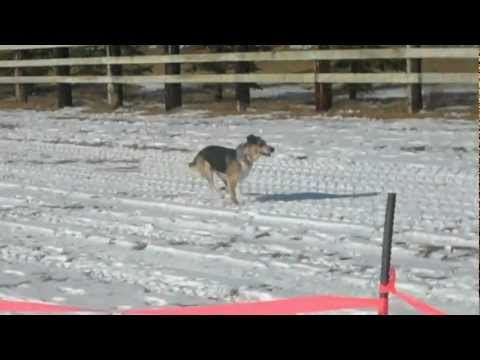
Dogs under 12-inches at the withers have a course of approximately 300 yards. Dogs more than 12 inches at the withers race approximately 600 yards. The 600-yard course must be completed within 2 minutes and the 300-yard course within 1½ minutes.
Lure coursing often requires no training. Many dogs see the lure move and immediately want to chase it, Phillips said.
"Some dogs need some practice and some coaxing, but eventually, with repetition they will get it," she said. "If your dog has already displayed a pretty strong prey drive by being attracted to squirrels or wild birds or other small animals, their chances of liking the lure are higher."
For those of you who plan to give the test a try with your dog, Phillips offers the following tips:
Make sure that your dog is physically healthy and in good shape to run a course. If you are not sure, make an appointment with a veterinarian to get an opinion.
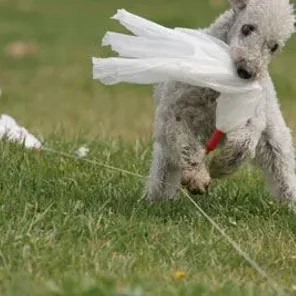
Take your dog to a practice to introduce your dog to the lure or make your own lure for practice. "If you cannot get to a practice, you can try to play tug with your dog with a plastic bag or another type of lure pole. This is similar to what is used to play with a cat, but on a dog level. You can get a type of plastic lure and attach it to a springing pole and have your dog practice chasing it around your yard or a nearby park, on leash, or course."
For the test, bring lots of fresh water, a strong, soft leash, and maybe a portable crate if the lure field is a long ways from the car.
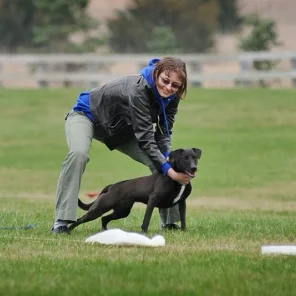
Handlers should wear comfortable shoes and be physically able to hold and release their dogs, as well as catch them.
Teach your dog the command "come." "If you don't have control over the dog when it is just laying around the house and not fully aroused, you will have a heck of a time trying to catch them when they are super excited about the lure and running loose."