
Why does a Horse Kick or Bite?
If your horse is trying to kick or bite you, here's what you need to know!

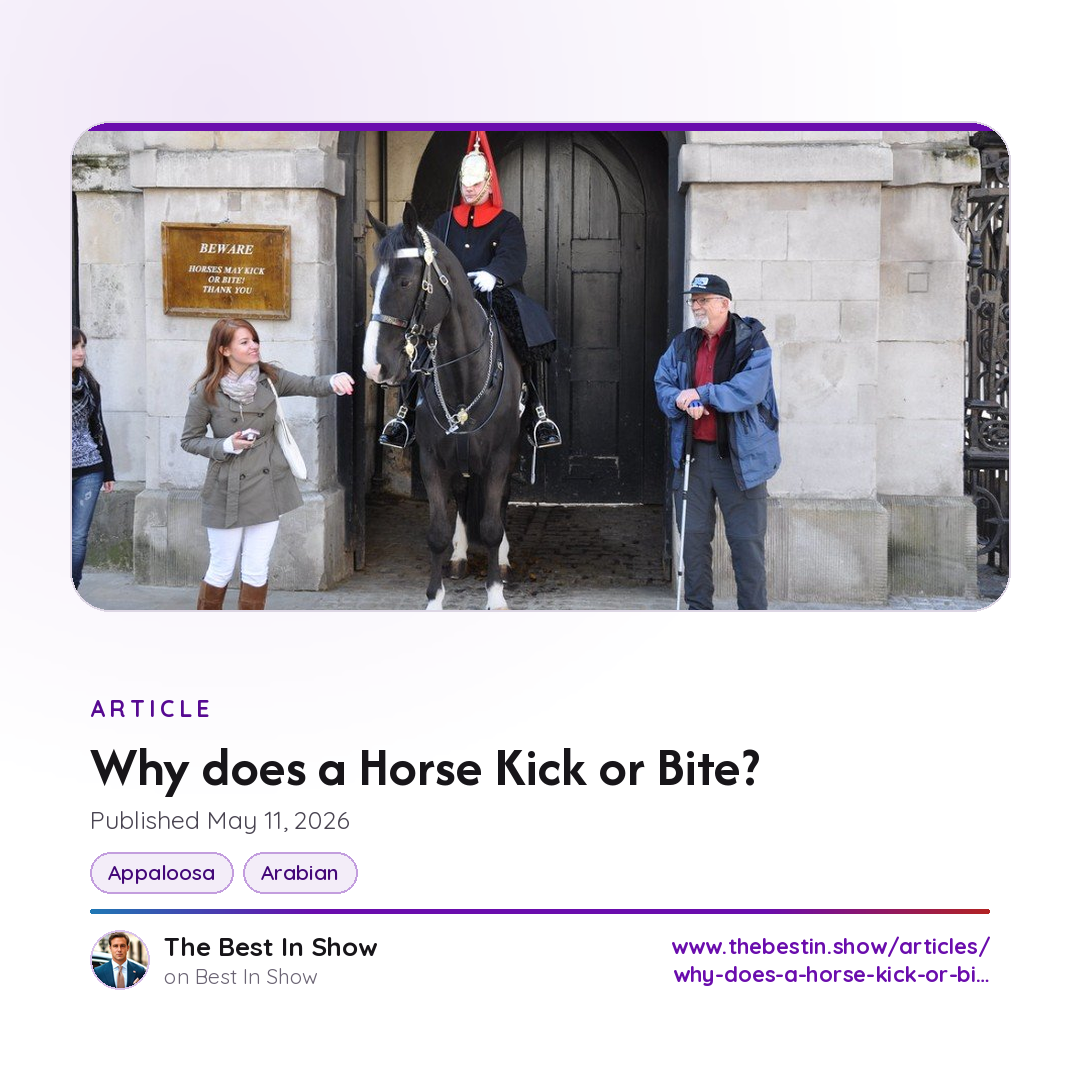
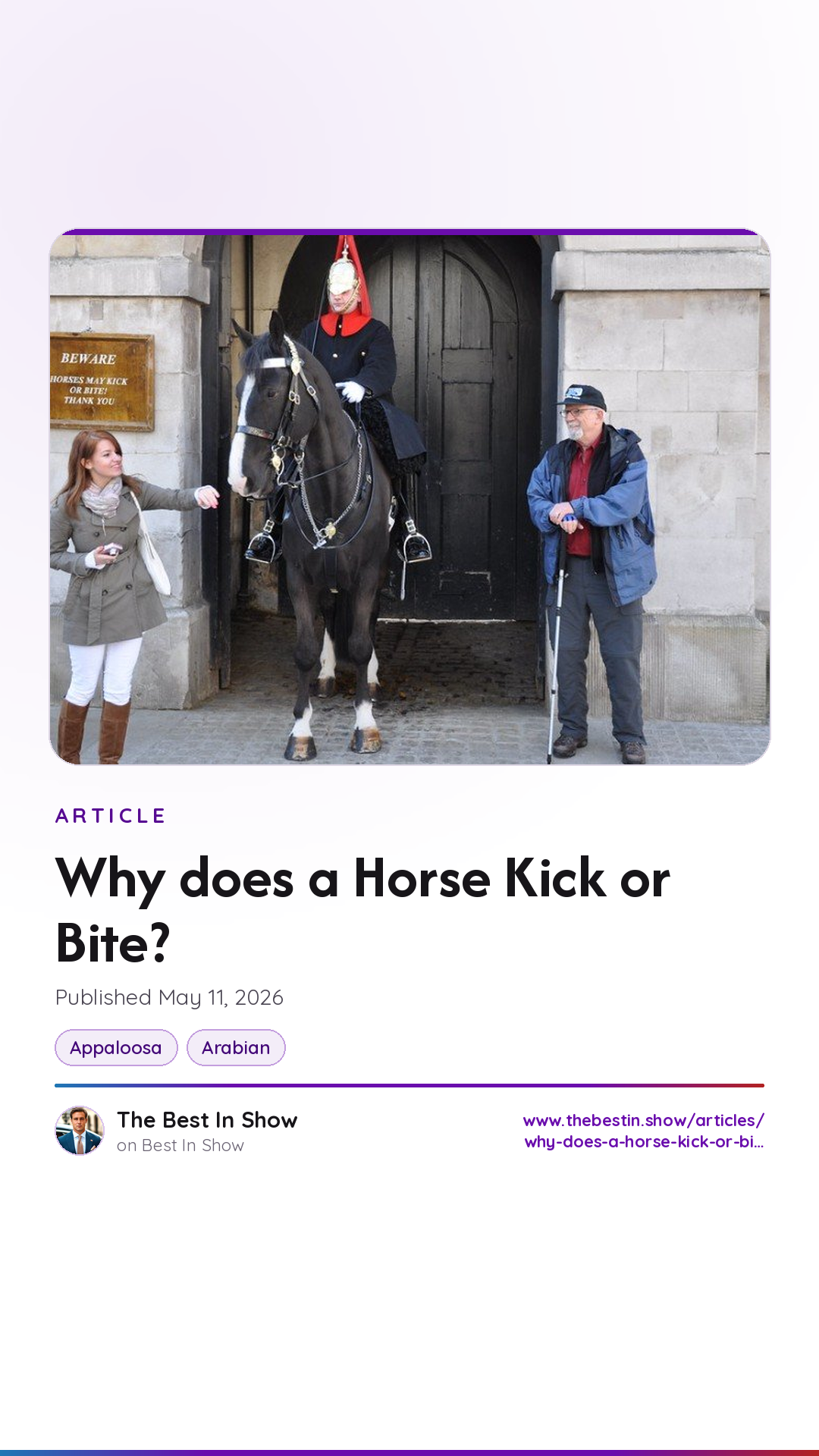
Horses kick or bite primarily due to fear, pain, or as a defensive response to feeling threatened or uncomfortable. As prey animals, they use these behaviors to communicate discomfort regarding, for example, ill-fitting tack (like a tight girth) or to defend personal space, says Wikihow on Grooming. It is rarely out of malice, but rather a reaction to a perceived threat or pain.
Key Reasons for Kicking or Biting:
Fear and Startle Reflex: Horses have blind spots directly behind them and in front of their nose. Sudden, unexpected movement or noises can cause a "spook" response, leading to kicks
Pain or Physical Discomfort: A horse may bite or kick if they have stomach ulcers or are experiencing pain during grooming, particularly around the belly or girth area
Defending Space or Food: Horses are protective of their food and personal space. They may bite to assert dominance or guard food, particularly in confined areas
Lack of Training or Miscommunication: Improper handling or lack of clear boundaries can lead to behavioral issues
Warning Signs to Watch For:
Ears pinned straight back.
Flared or tense nostrils.
Tail switching or swishing violently.
Tightened, widened eyes, sometimes showing the white of the eye.
Turning their hindquarters toward you
How to Prevent Incidents:
Approach Safely: Always approach a horse from the side, allowing them to see you.
Respect Space: Give horses room to move, especially in confined spaces.
Check Tack: Ensure equipment fits correctly and does not cause pain.
Remain Calm: Avoid sudden, loud movements that can startle them.
