Abdominal Swelling in Cats
Any problem that interferes with the passage of intestinal contents through the GI tract results in a blocked bowel. The most common cause is a gastrointestinal foreign body. You can add your Discussion topic for other to learn from for free on Pedegru
York Chocolate
Oriental Bicolour
Burmese (American)
Somali
Persian
Cat
Serval
Nebelung
Oregon Rex
LaPerm
Japanese Bobtail
Russian White, Black and Tabby
Ragamuffin
Egyptian Mau
Asian Semi-longhair
Abyssinian
German Rex
Tonkinese
Manx
Korat
Singapura
American Longhair
Brazilian Shorthair
Turkish Angora
Bengal
Colorpoint Shorthair
Scottish Fold
Chantilly/Tiffany

PROFAB Heating and Air
Apr 17, 2015
2 photos
Any problem that interferes with the passage of intestinal contents through the GI tract results in a blocked bowel. The most common cause is a gastrointestinal foreign body. Other causes are tumors and strictures of the small and large intestines, adhesions following abdominal surgery, navel and groin hernias, and intussusception-a condition in which the bowel telescopes in upon itself, much like a sock pulled inside out. On occasion, obstruction of the colon may be caused by a fecal impaction or tumor. An intestinal blockage can be partial or complete.
Partial or intermittent obstruction, such as that caused by a tumor or stricture, may cause signs that come and go. These include weight loss and intermittent vomiting or diarrhea. Tumors tend to occur in older cats, and most of them are malignant. They often become large before being discovered, usually by feeling a mass in the abdomen.
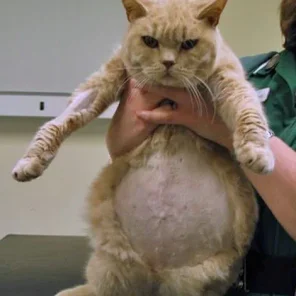
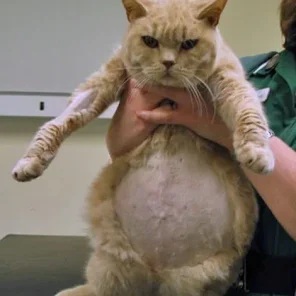
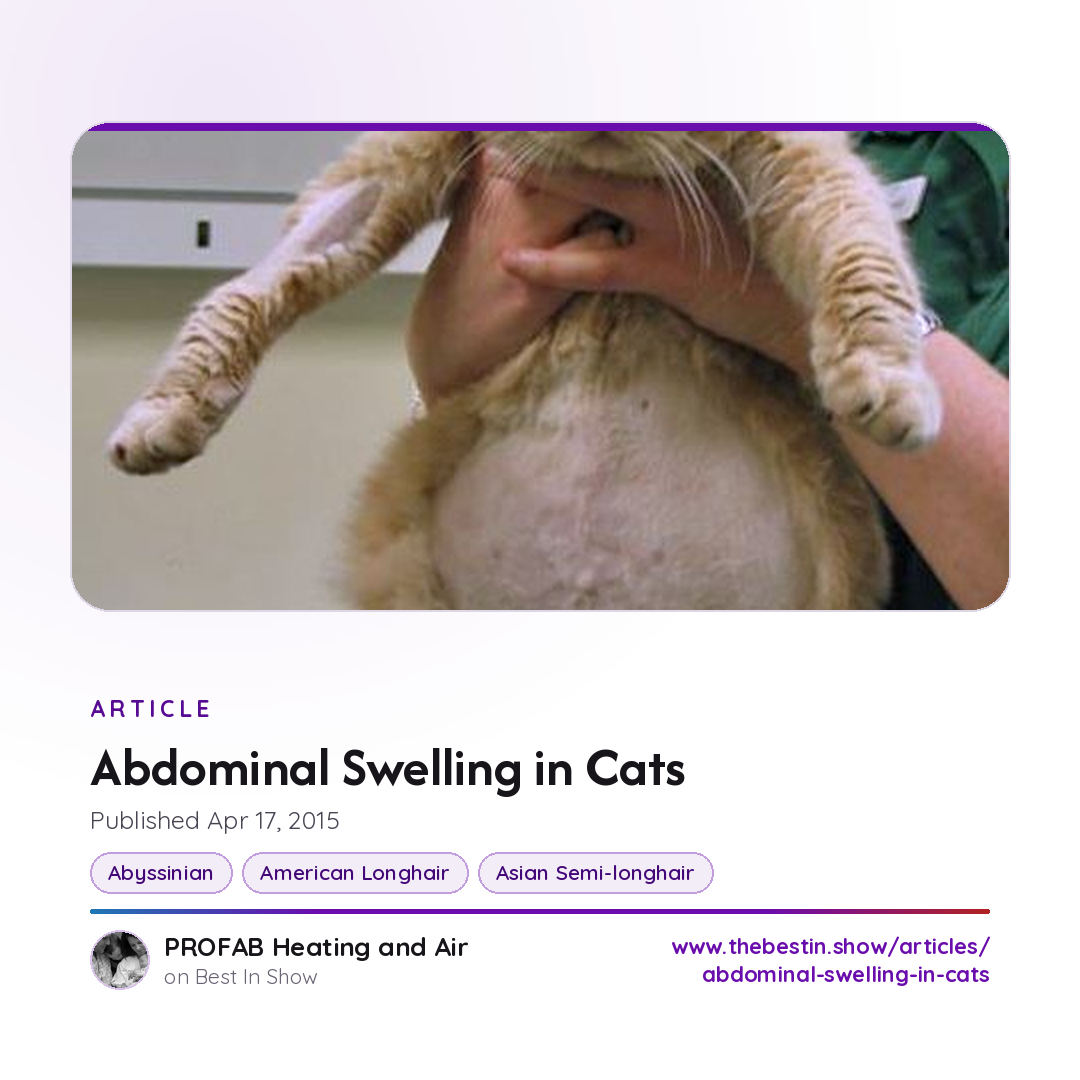
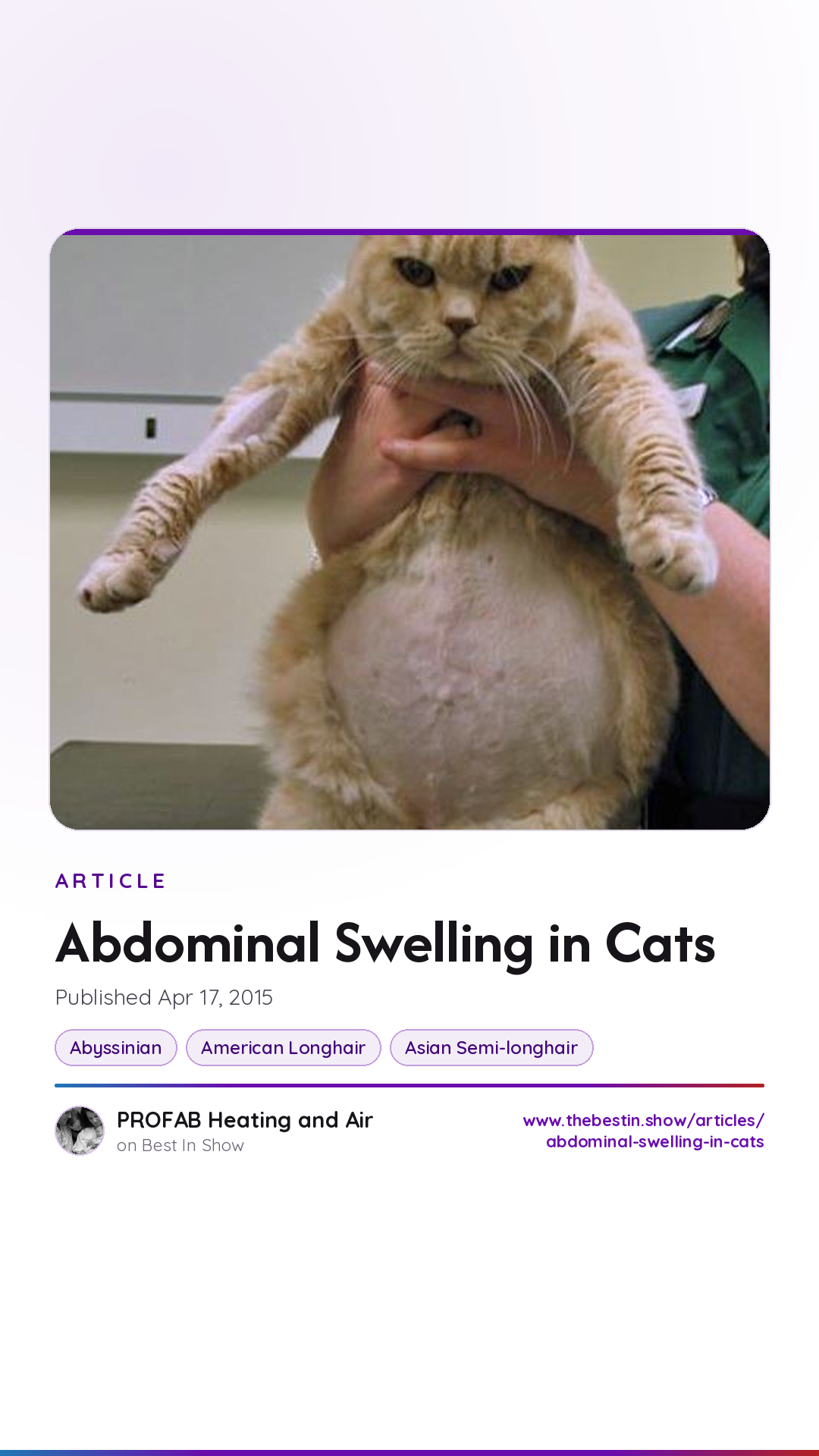
Signs of complete blockage include sudden pain, vomiting without relief, dehydration, and swelling of the abdomen. When the blockage is in the upper small bowel, the vomiting may be projectile. Blockages in the lower GI tract cause abdominal distension and the vomiting of brown, fecal-smelling material. Cats with complete obstruction pass no stool or gas through the rectum. In general, cats with lower bowel obstruction are less sick than those with upper intestinal obstruction.
Treatment: Intestinal obstruction leads to death unless treatment is instituted immediately. The cat’s condition is most urgent when there are signs of strangulation or interference with the blood supply to the bowel. This is characterized by sudden distress, an extremely tender, boardlike abdomen, shock, and prostration. Surgical exploration and relief of the blockage is necessary. Strangulation requires immediate surgery. A dead segment of bowel must be removed and the bowel restored by an end-to-end hookup. There are often complications associated with these surgeries.