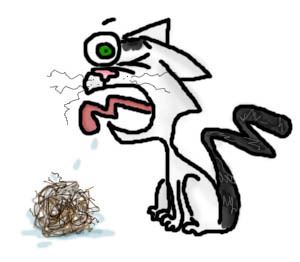
Hairballs
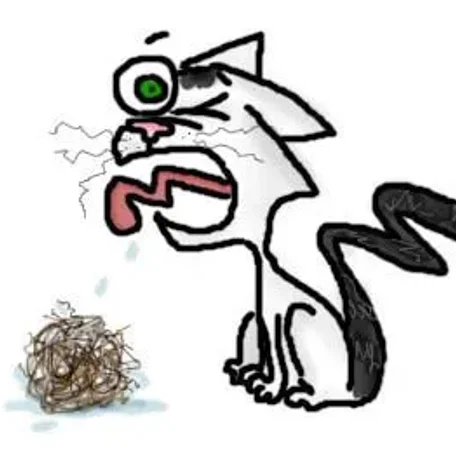
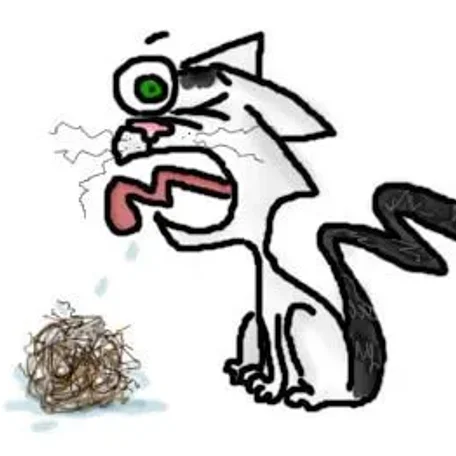
The frequent vomiting of hairballs can be a symptom of IBD. "Frequent" is hard to define, in this case, but if your cat is vomiting hairballs on a weekly basis do not just assume that this is simply normal feline behavior.
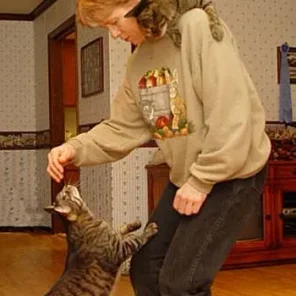
Lisa A. Pierson, DVM
May 18, 2015
2 photos
I often receive emails asking what the best diet is to feed to cats suffering from hairballs. The bottom line is that as much hair as possible should be prevented from getting into the cat in the first place. This is accomplished with daily brushing or, in some cases, shaving the cat if hairballs are creating serious problems.
I understand that shaving cats is not an easy task and is, therefore, not a 'quick fix' for this problem but it is an option for serious cases.
Amber can only be shaved when she is under general anesthesia. Therefore, almost every summer she gets a dental cleaning and body shave to keep her comfortable during the hot summer months. She never had a problem with hairballs even with a full coat but she is a lot happier without her long hair when the weather is hot.
Hairball problems are not just associated with long hair coats. Shorthaired cats - especially double-coated cats - can also have problems with hairballs. However, a healthy intestinal tract should be able to deal with hair normally ingested by the cat.
That said, if we want to help our cats out in this area, we need to brush them daily.
Trying to 'chase' hair after it has gained entrance into the cat's intestinal tract is futile. Diet is not the answer and neither are any of the 'hairball remedies' on the market. As one well-respected feline medicine specialist often states "this is not a grease deficiency!"