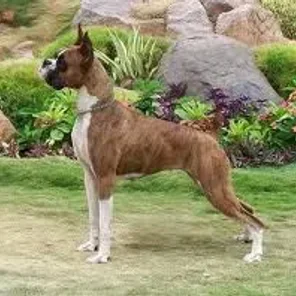
About Boxer
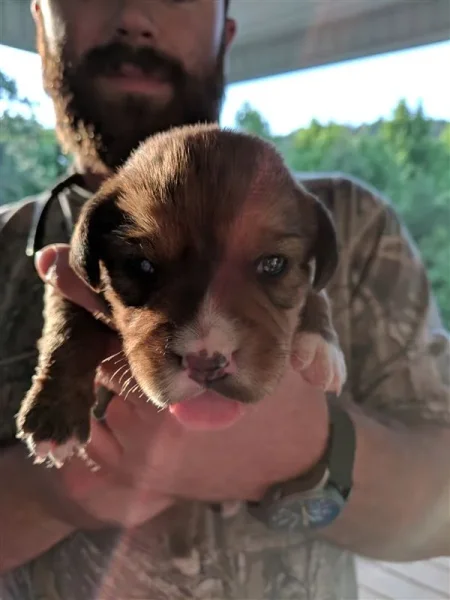
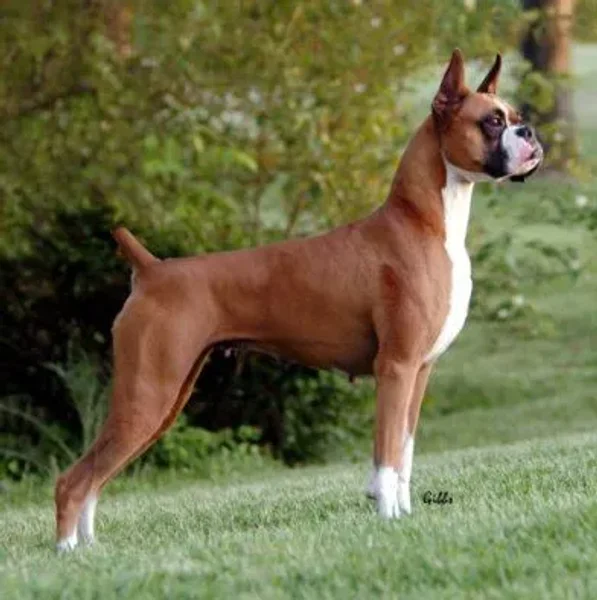
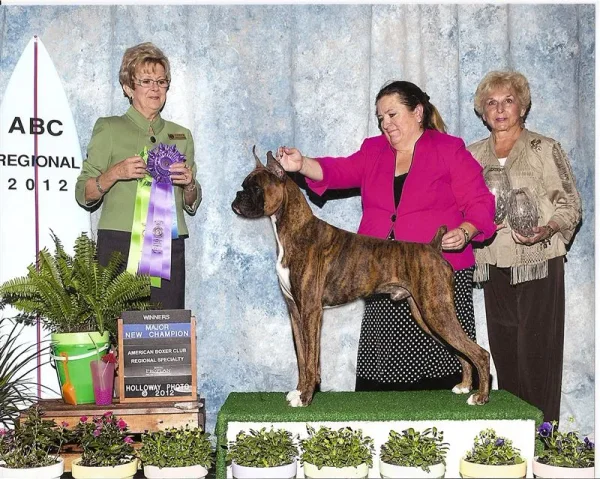
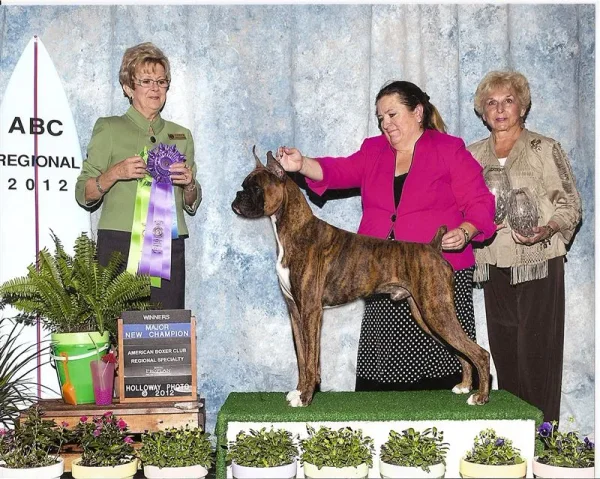
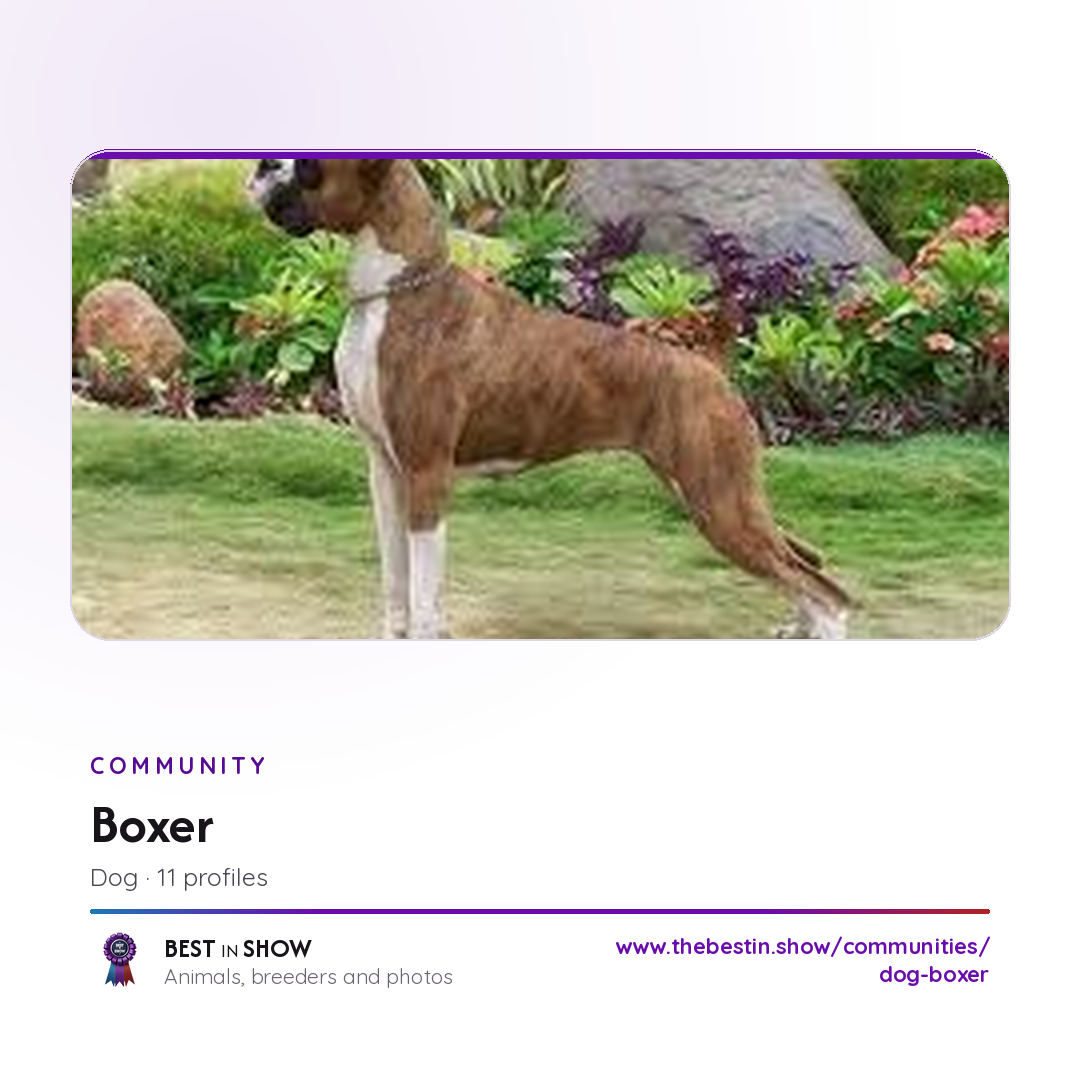
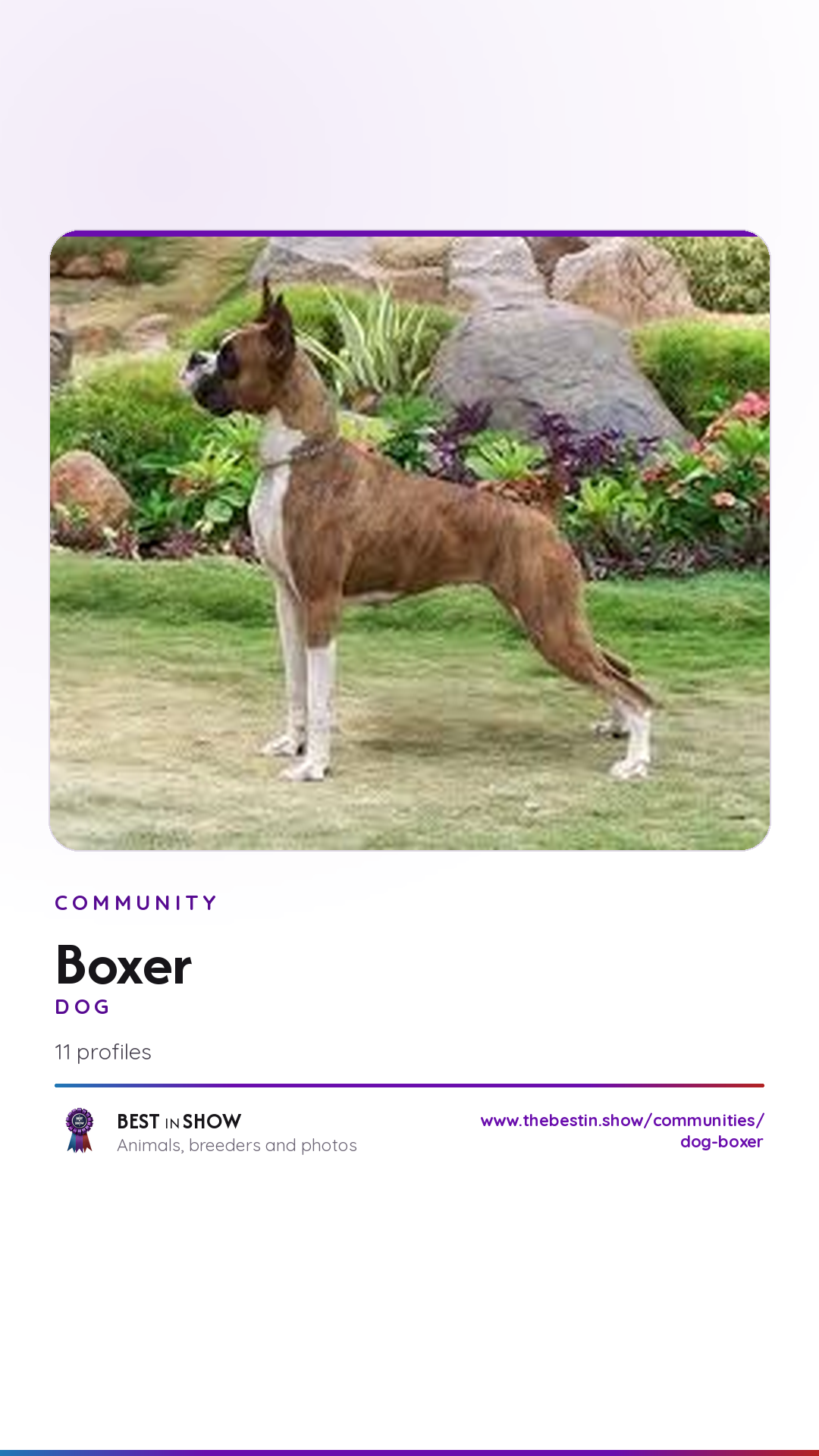
Developed in Germany, the Boxer is a breed of stocky, large-sized, short-haired dog. The coat is smooth and fawn or brindled, with or without white markings. Boxers are brachycephalic (they have broad, short skulls), and have a square muzzle, mandibular prognathism (an underbite), very strong jaws and a powerful bite ideal for hanging on to large prey. <br /> <br />Boxers are silly, sweet and mischievous. They clown around with family and friends, are patient and playful with children, but show a deliberate and wary face to strangers, responding with unmatched courage to anything that threatens their loved ones. Those characteristics are why people love them. <br /> <br />He might have a worried look on his wrinkled face, but the Boxer isn't worried about being loved: he's one of most popular dogs in America. And that’s no surprise, since this is a joyful, loyal companion who truly bonds with his human family. A well-bred, well-socialized Boxer is friendly with children and people he knows, suspicious and alert but not aggressive with strangers, and always ready for a walk, a game or just some quality time on the sofa with you. <br /> <br />The Boxer is a wonderful choice for an owner who will train him consistently, firmly and fairly, and who can have a sense of humor about the dog's stubborn streak. This breed also needs plenty of exercise to keep his high spirits in check – the Boxer is a big dog and can do a lot of damage if he's bored or lonely. <br /> <br />He's willing and able to participate in almost any organized canine activity, including agility, obedience and flyball. While all dog-child play requires supervision, Boxers are generally good with children and make great family dogs. <br /> <br />The Boxer's face is unmistakable: wrinkled and worried-looking, the expression belied by his square jaw, noble head and jaunty walk. He's a big dog, weighing up to 70 pounds (sometimes more), with females being quite a bit smaller than males. His short coat sheds, but otherwise he’s an easy-care dog. <br /> <br />The Boxer comes in shades of tan and brindle, as well as white. There is considerable controversy surrounding the white Boxer, largely because for generations, breeders killed their white puppies instead of trying to find homes for them as pets. This is widely considered to be unacceptable now, and more white Boxers are becoming available for purchase and adoption. <br /> <br />White Boxers are not albinos and their coloration is not the result of a genetic mutation as it sometimes is in other breeds. In Boxers, white is just a color. Like most all-white animals, white Boxers are at increased risk of deafness, although only a small number of white Boxers will be deaf. There is no evidence that white Boxers have any other color-related health problems, nor is their color associated with any temperament issues. <br /> <br />White dogs tend to burn in the sun and may be at increased risk of skin cancer. (Sun block is recommended!) <br /> <br />White Boxers are not some rare variety of the breed that command a higher price. Around a quarter of all Boxer puppies born are white. Be very cautious when dealing with a breeder selling a white puppy as something unique that merits a higher price. <br /> <br />Other Quick Facts <br />Boxers are big dogs with a big streak of mischief in their makeup. You’ll need a sense of humor to live with one. <br />Boxers are great watchdogs but not aggressive toward people unless the situation calls for it. <br />Boxers are athletic and excel in many dog sports, including agility and herding. <br />Boxers are lovers, not fighters, but they won’t back away from a showdown if another dog starts something. <br /> <br />The History of Boxers <br />The Boxer was developed as a working breed in Germany in the late nineteenth century. He belongs to the family of bull breeds, which include the Bulldog, Bull Terrier and Dogue de Bordeaux, to name just a few. <br /> <br />In his modern incarnation, the Boxer has existed for only about a century, but you can see hints of him in the dogs portrayed on old tapestries from the sixteenth and seventeenth centuries. Those big Mastiff-type dogs may have been ancestors of the Boxer. They were known as bullenbeissers, a German word meaning “bull biter.” Bullenbeissers were used on great estates to bring down large game, and later they were employed by butchers and cattle drovers to keep livestock in line. <br /> <br />The modern Boxer was born in the 1880s, when a man named George Alt, who lived in Munich, imported a brindle bullenbeisser named Flora from France. Her offspring became the foundation of the Boxer breed. It’s unclear whether the breed name comes from a corruption of the word “beisser” or is a reference to the breed’s habit of using his front paws in a fight. Boxers were trained for police work, were some of the earliest guide dogs and served in the German military during World War I as messengers and scouts. <br /> <br />The American Kennel Club first registered a Boxer in 1904. The breed didn’t catch on right away, and the dislike for German breeds that occurred during World War I didn’t help matters any. It wasn’t until the 1940s and 1950s that the Boxer became a popular breed. In 1951, a Boxer named Bang Away won Best in Show at Westminster, the third Boxer to do so, and for the time, he was a rock star. You could see Bang Away’s photo in Lifeand Esquire, and when he flew to dog shows, he rode in the cabin of the plane, never in cargo. Only one other Boxer has won Westminster since the days of Bang Away, Ch. Arriba’s Prima Donna, who won in 1971. <br /> <br />Boxers today are more refined and elegant than their ancestors, but they are still strong, smart, and fearless. The breed ranks eighth among those registered by the AKC. <br /> <br />Boxer Temperament and Personality <br />Boxers are fun, happy dogs. They play willingly with family and friends and are patient and gentle with children. Boxers are also loyal, and will respond courageously to anything that threatens their loved ones. <br /> <br />Boxers are incredibly smart, but they don’t always take training seriously. For best results, be firm, fair and consistent with your Boxer. Appropriate rewards and consequences will teach him that good things happen when he does what you want and that he is never rewarded for disobeying. Boxers are good at spotting loopholes in the rules and they will push to see what they can get away with. And start early! Your little eight-week-old Boxer will be much easier and more fun to teach than his bigger, more stubborn eight-month-old self. Use treats, toys and praise to lure and motivate him. <br /> <br />Good outlets for a Boxer’s energy include playing fetch, going for an hour-long walk or training for agility or another dog sport. At least one Boxer is titled in herding, which is one of the breed’s original functions. Their ancestors included all-purpose farm dogs whose jobs included catching and driving livestock. <br /> <br />With structure, discipline and lots of exercise and mental stimulation, a Boxer can become the dog of your dreams. Without those things, well, he can turn into a nightmare. The amount of damage a bored Boxer can do is beyond your wildest imagination. Don’t give him the opportunity to enlighten you. <br /> <br />What You Need to Know About Boxer Health <br />The Boxer is prone to a number of health problems, but Boxer lovers are a dedicated bunch and are very aggressive in trying to reduce and eliminate genetic disease in their dogs. The American Boxer Charitable Foundation has raised more money for genetic research than any other breed club in the world. One of their greatest triumphs was the recent identification of the gene responsible for arrhythmogenic right ventricular cardiomyopathy, also known as Boxer cardiomyopathy, a devastating heart disease that is usually fatal. <br /> <br />Cardiomyopathy is not the only heart problem that affects Boxers. Aortic/subaortic stenosis (AS/SAS) is a narrowing of the aortic valve or area just below the valve, usually caused by a fibrous ring of tissue. While it's likely to be genetic, the mode of inheritance is unknown and there is no screening test for AS/SAS. Diagnosis is often made by a board-certified veterinary cardiologist and affected dogs should not be bred. <br /> <br />Boxers are also at risk for degenerative myelopathy, a form of progressive neurologic dysfunction. There is a genetic screening test for this condition that can be used to determine whether a puppy's parents are clear, carriers or at risk; a puppy whose parents are clear – neither carriers nor at risk – will also be clear. A puppy from two carrier parents will be at risk, and a puppy with one carrier parent may be at risk. <br /> <br />Boxers are more susceptible than many breeds to bloat, a condition in which the stomach expands with air. This can become a more serious condition, called gastric torsion, if the stomach twists on itself, cutting off blood flow. Gastric torsion strikes suddenly, and a dog who was fine one minute can be dead a few hours later. Watch for symptoms like restlessness and pacing, drooling, pale gums and lip licking, trying to throw up without bringing anything up, and signs of pain. Gastric torsion requires immediate veterinary surgery, and most dogs that have bloated once will bloat again. That means it’s wise to opt for the procedure known as "stomach tacking," which will keep the stomach from twisting in the future. This procedure can also be done as a preventive measure. <br /> <br />Boxers are also at increased risk of many other diseases including allergies, skin problems, cancers including lymphoma, hemangiosarcoma, mast cell tumors and more. A good breeder will be able to discuss how prevalent these and other conditions that have no genetic screening test are in her dogs' lines, and help puppy buyers make an informed decision about health risks to their dog. <br /> <br />Make particular note that Boxers cannot tolerate one of the most common sedative drugs given in veterinary medicine, acepromazine. It causes a heart arrhythmia that can lead to collapse or cardiac arrest. <br /> <br />Not all of these conditions are detectable in a growing puppy, and it is impossible to predict whether an animal will be free of these maladies, which is why you must find a reputable breeder who is committed to breeding the healthiest animals possible. They should be able to produce independent certification that the parents of the dog (and grandparents, etc.) have been screened for common defects and deemed healthy for breeding. That’s where health registries come in. <br /> <br />The American Boxer Club recommends that breeding dogs be tested for hip and elbow dysplasia, hypothyroidism, aortic and subaortic stenosis, and cardiomyopathy. The tests should first be done when the dog is two years old, and the tests for hypothyroidism and cardiomyopathy should be repeated annually. <br /> <br />If a breeder tells you she doesn't need to do those tests because she's never had problems in her lines and her dogs have been "vet checked," then you should go find a breeder who is more rigorous about genetic testing. <br /> <br />Careful breeders screen their breeding dogs for genetic disease and breed only the healthiest and best-looking specimens, but sometimes Mother Nature has other ideas and a puppy develops one of these diseases despite good breeding practices. Advances in veterinary medicine mean that in most cases the dogs can still live a good life. If you’re getting a puppy, ask the breeder about the ages of the dogs in her lines and what they died of. <br /> <br />Not every Boxer visit to the vet is for a genetic problem. Boxers are a physical breed. They play hard and can incur soft-tissue injuries as a result. Lacerations, scrapes and abrasions aren’t unusual. And Boxers who eat too much, get into the garbage or become excited or anxious—all common behaviors for the breed—can suffer vomiting or diarrhea as a result. <br /> <br />Remember that after you’ve taken a new puppy into your home, you have the power to protect him from one of the most common health problems: obesity. Keeping a Boxer at an appropriate weight is one of the easiest ways to improve his health and extend his life. Make the most of your preventive abilities to help ensure a healthier dog for life. <br /> <br />http://en.wikipedia.org/wiki/Boxer_(dog)
Recently added Boxer profiles
See all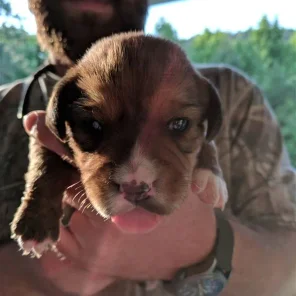
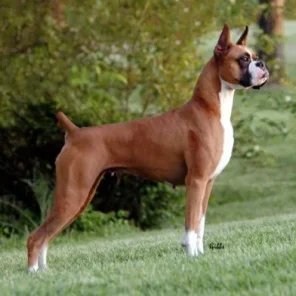



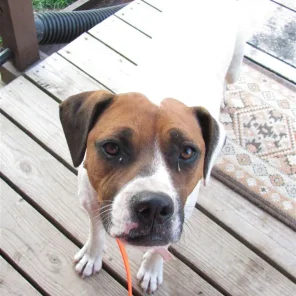

Photos
See all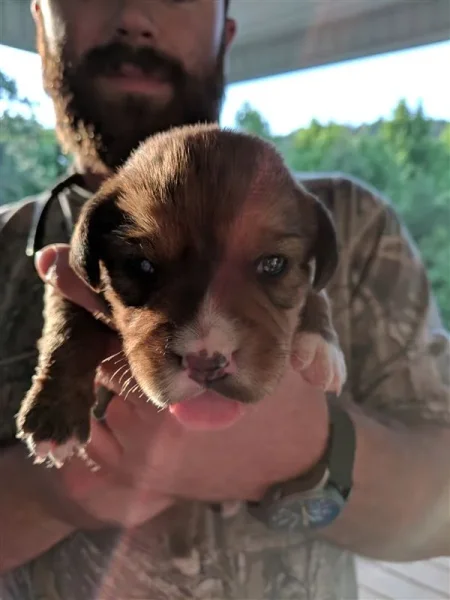



Articles about Boxer
See all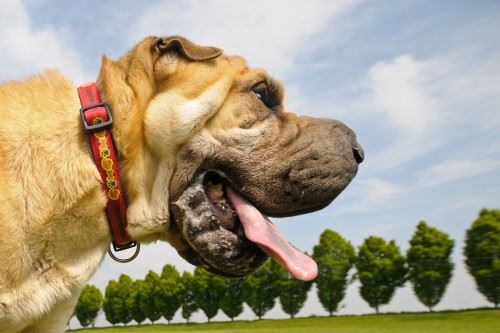
Is Your Dog Drooling Excessively
Pedegru · Jun 3, 2017
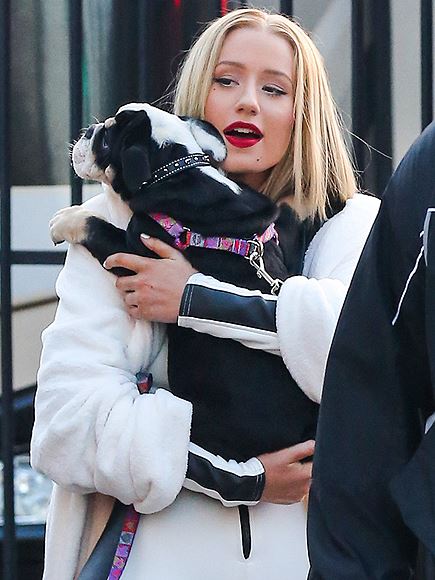
Iggy Azalea's New Puppy Has The Most Unique Name Ever
Pedegru & Luxemere Arabians · May 6, 2015

Doggone! Kardashian Family Pets Disappear Into Thin Air
Pedegru & Luxemere Arabians · May 6, 2015
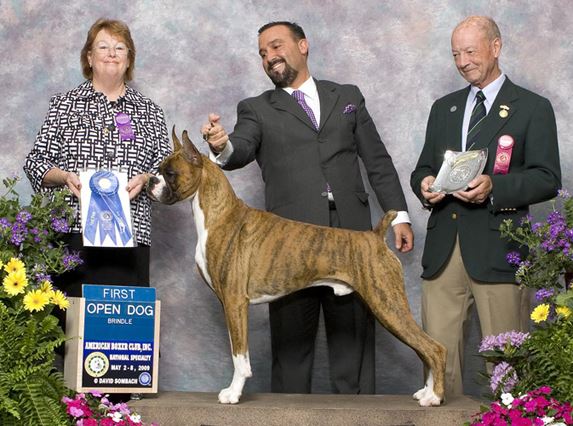
BOXER COLOURS AND MARKINGS
Rocket Boxers · May 2, 2015
Subtypes
See all





Related breeds
Affenpinscher
Afghan Hound
Aidi
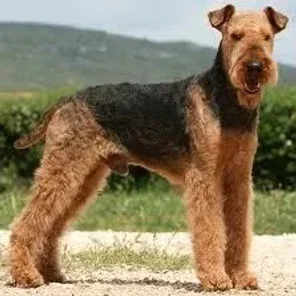
Airedale Terrier
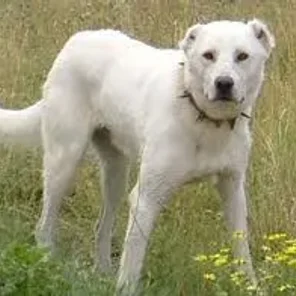
Akbash
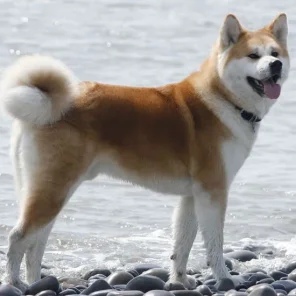
Akita Inu
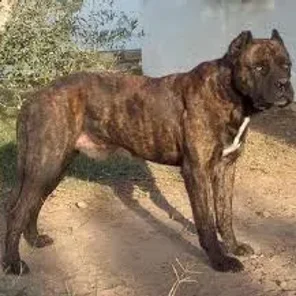
Alano Español
Alapaha Blue Blood Bulldog
Alaskan Klee Kai
Alaskan Malamute
Alpine Dachsbracke
American Akita

American Alsatian
American Bulldog
American Bully
American Eskimo
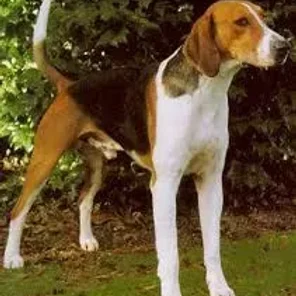
American Foxhound
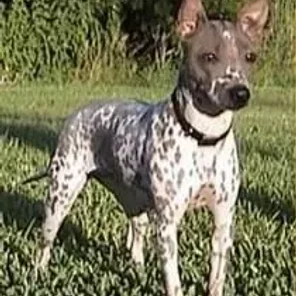
American Hairless Terrier

American Mastiff
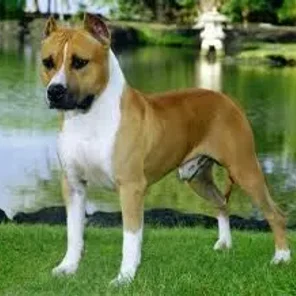
American Staffordshire Terrier

American Water Spaniel
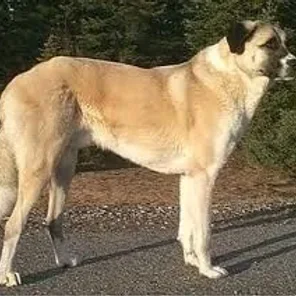
Anatolian Shepherd
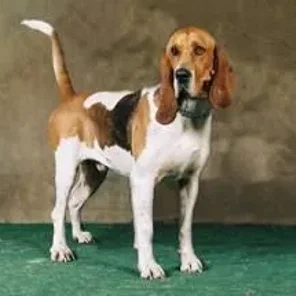
Anglo-Français de Petite Vénerie
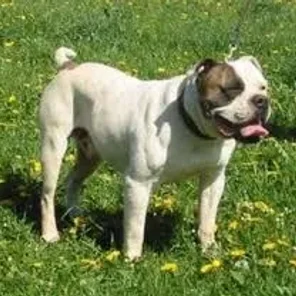
Antebellum Bulldog
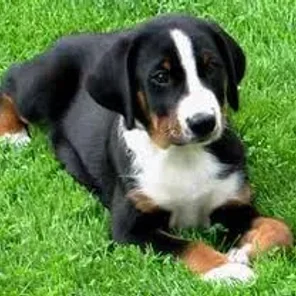
Appenzeller Sennenhund
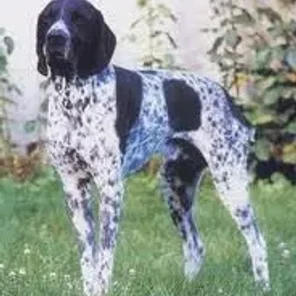
Ariege Pointer
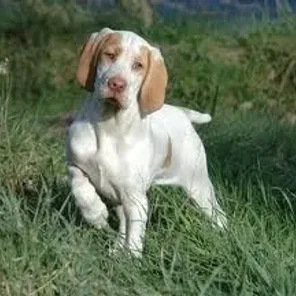
Ariegeois
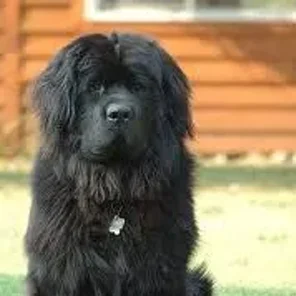
Armant

Armenian Gampr
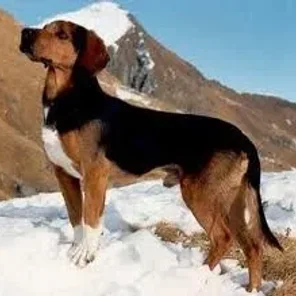
Artois Hound

Australian Bulldog
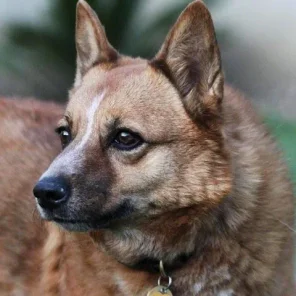
Australian Cattle Dog
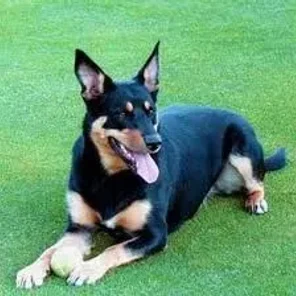
Australian Kelpie
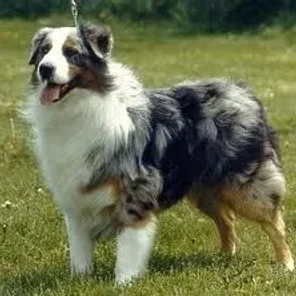
Australian Shepherd
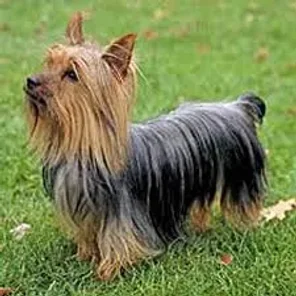
Australian Silky Terrier
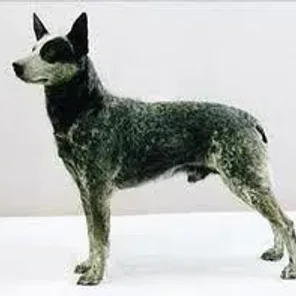
Australian Stumpy Tail Cattle Dog
Australian Terrier
Austrian Black and Tan Hound

Austrian Pinscher
Azawakh
Bakharwal
Barbet
Basenji
Basque Shepherd

Basset Artésien Normand

Basset Bleu de Gascogne
Basset Fauve de Bretagne

Basset Hound
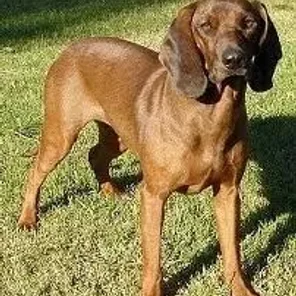
Bavarian Mountain Hound
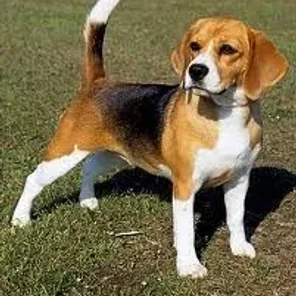
Beagle

Beagle-Harrier
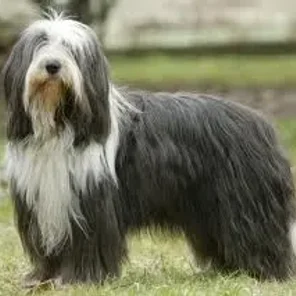
Bearded Collie

Beauceron

Bedlington Terrier

Belgian Sheepdog

Belgian Shepherd (Groenendael)
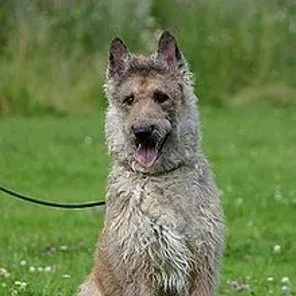
Belgian Shepherd (Laekenois)

Belgian Shepherd (Malinois)
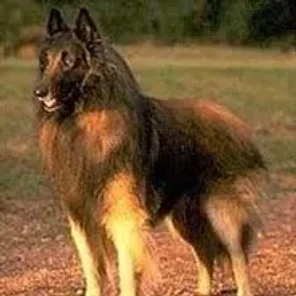
Belgian Shepherd (Tervuren)
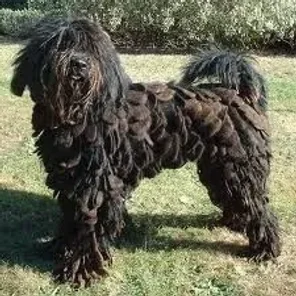
Bergamasco Shepherd
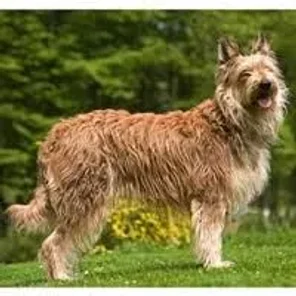
Berger Picard
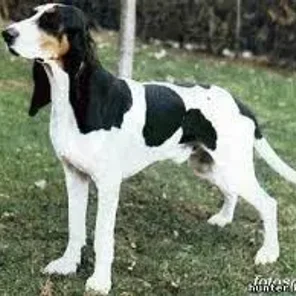
Berner Laufhund
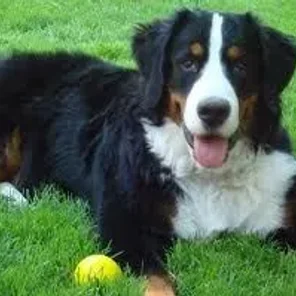
Bernese Mountain
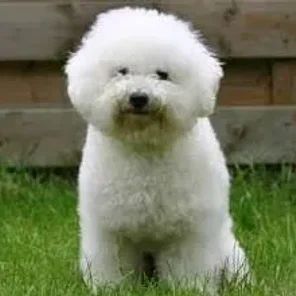
Bichon Frisé
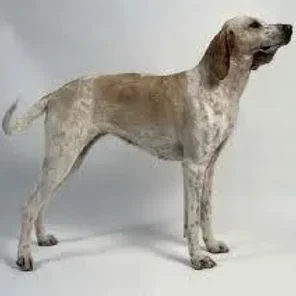
Billy
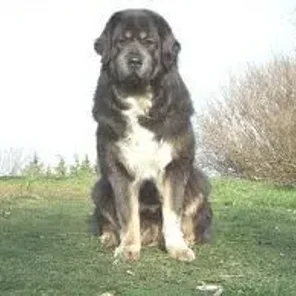
Bisben
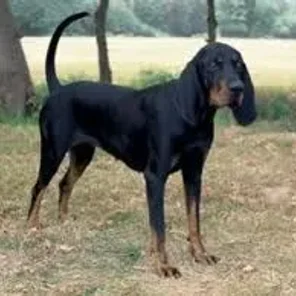
Black and Tan Coonhound
Black and Tan Virginia Foxhound
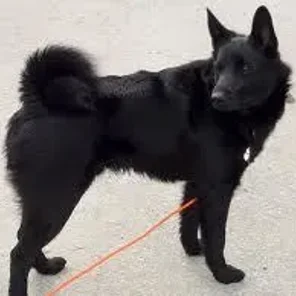
Black Norwegian Elkhound

Black Russian Terrier

Blackmouth Cur
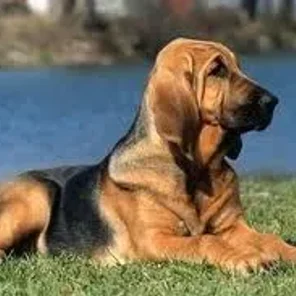
Bloodhound
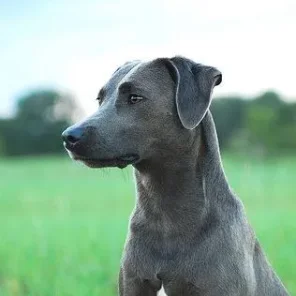
Blue Lacy

Bluetick Coonhound

Boerboel

Bohemian Shepherd
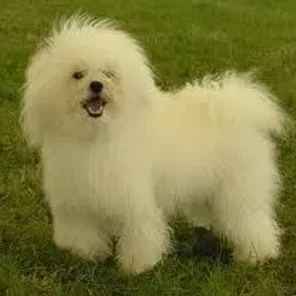
Bolognese
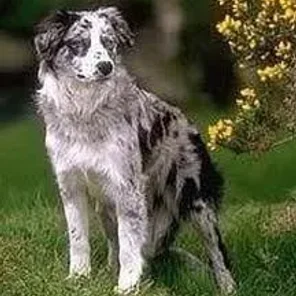
Border Collie

Border Terrier
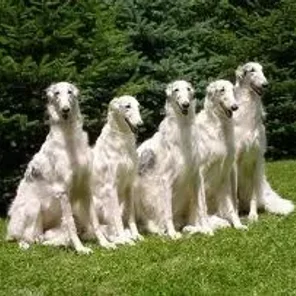
Borzoi
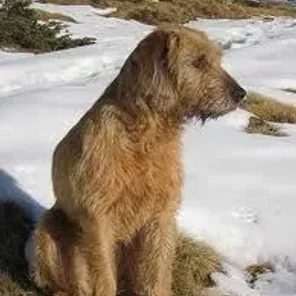
Bosnian Coarse-haired Hound

Boston Terrier
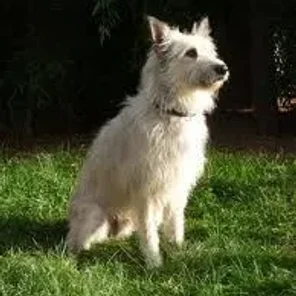
Bouvier des Ardennes
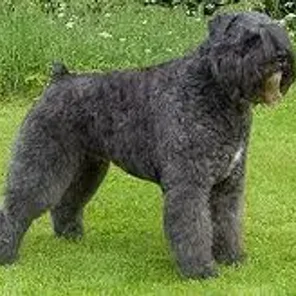
Bouvier des Flandres
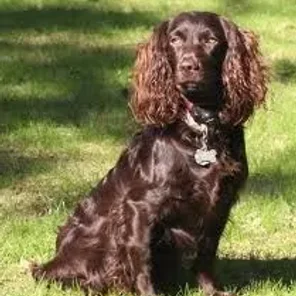
Boykin Spaniel
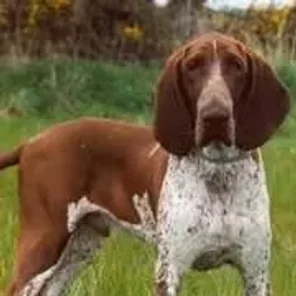
Bracco Italiano

Braque d'Auvergne
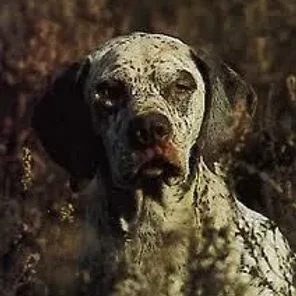
Braque du Bourbonnais
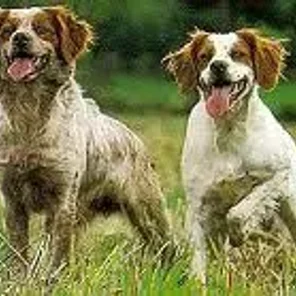
Braque du Puy
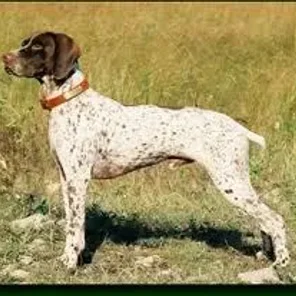
Braque Francais
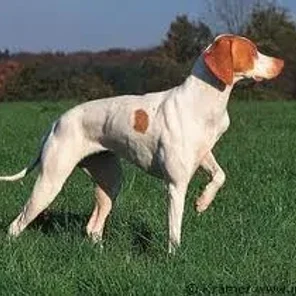
Braque Saint-Germain
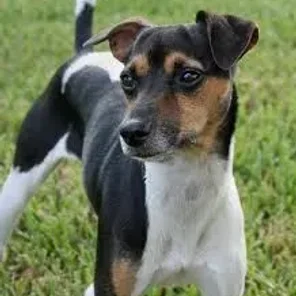
Brazilian Terrier

Briard
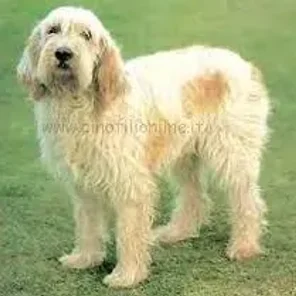
Briquet Griffon Vendéen
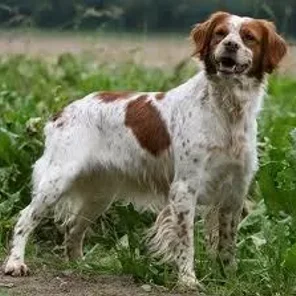
Brittany
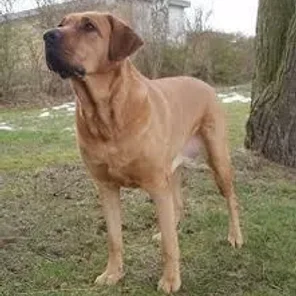
Broholmer
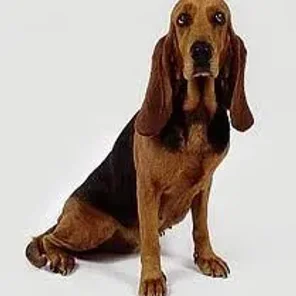
Bruno Jura Hound
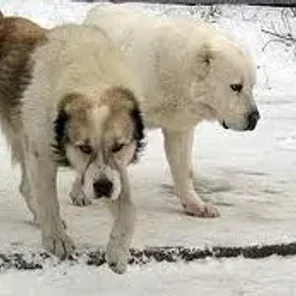
Bucovina Shepherd
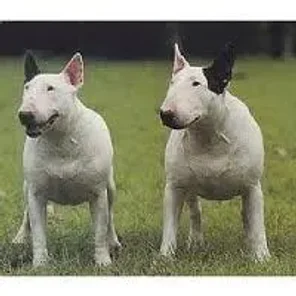
Bull Terrier
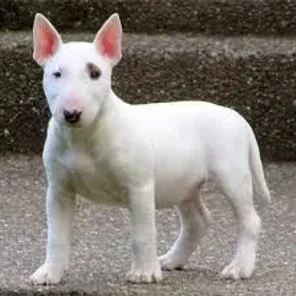
Bull Terrier (Miniature)
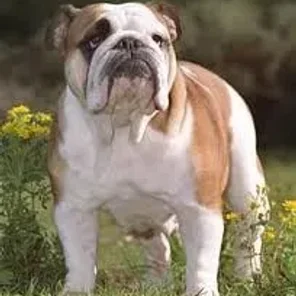
Bulldog
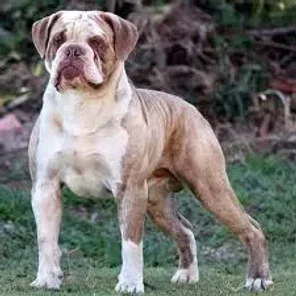
Bulldog Campeiro
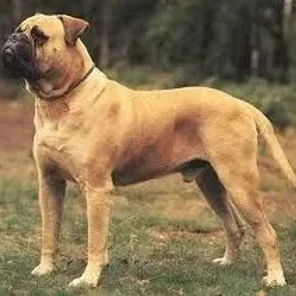
Bullmastiff
Bully Kutta
Cairn Terrier
Canaan
Canadian Eskimo
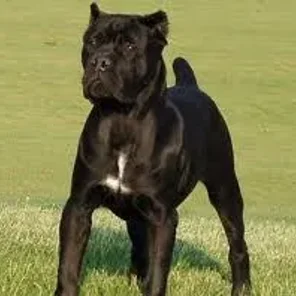
Cane Corso

Cão da Serra de Aires

Cão de Castro Laboreiro
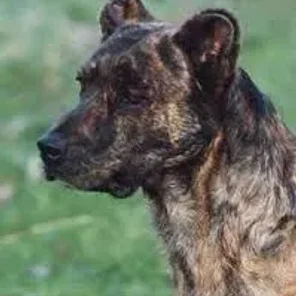
Cão Fila de São Miguel

Cardigan Welsh Corgi
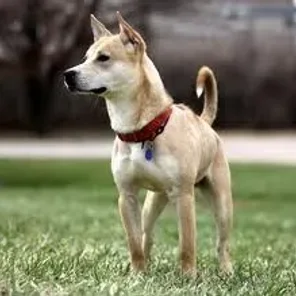
Carolina
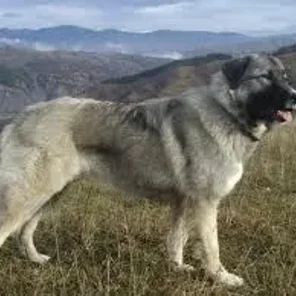
Carpathian Shepherd
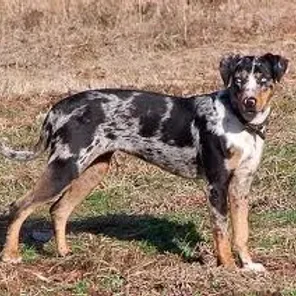
Catahoula Cur
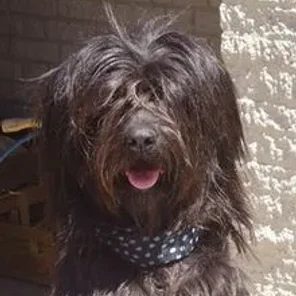
Catalan Sheepdog
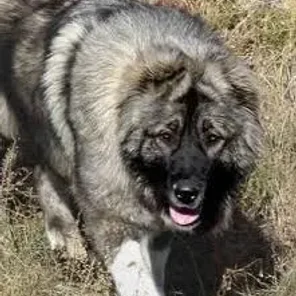
Caucasian Shepherd
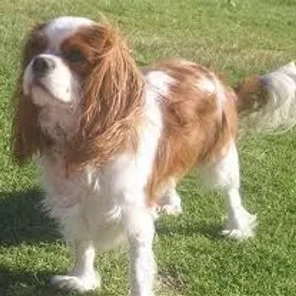
Cavalier King Charles Spaniel
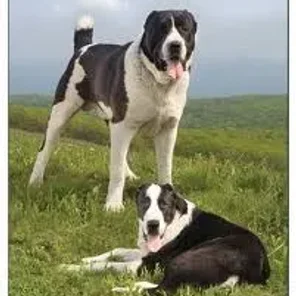
Central Asian Shepherd
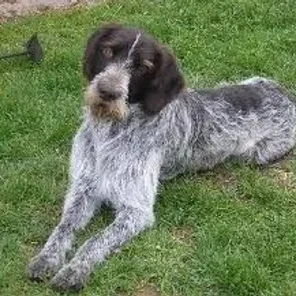
Cesky Fousek
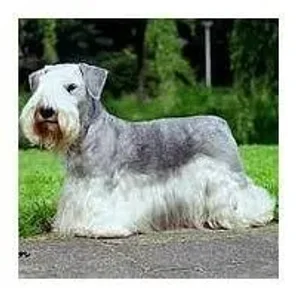
Cesky Terrier
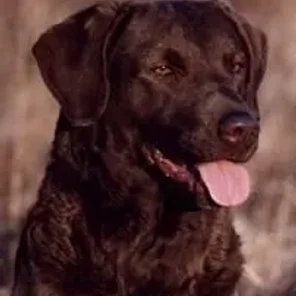
Chesapeake Bay Retriever
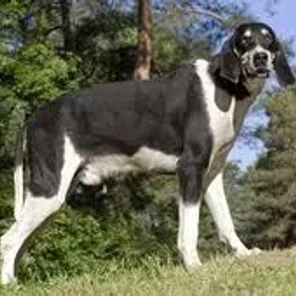
Chien Français Blanc et Noir
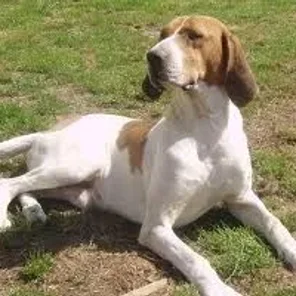
Chien Français Blanc et Orange

Chien Français Tricolore
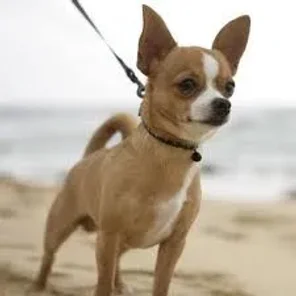
Chihuahua
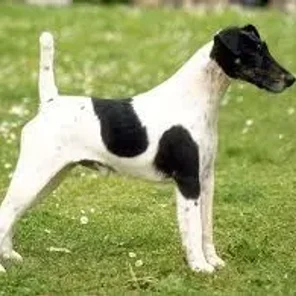
Chilean Fox Terrier
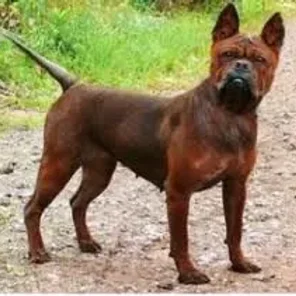
Chinese Chongqing
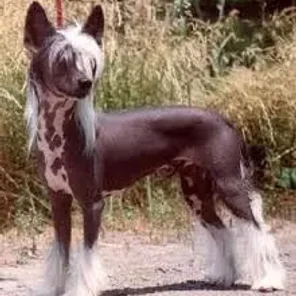
Chinese Crested

Chinese Imperial
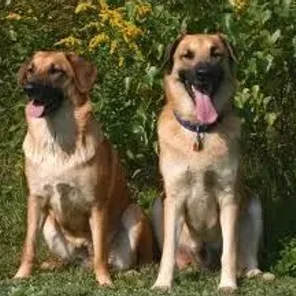
Chinook
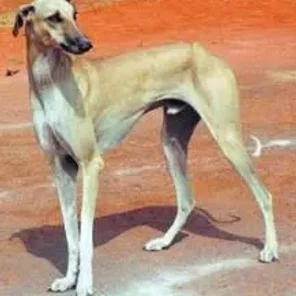
Chippiparai
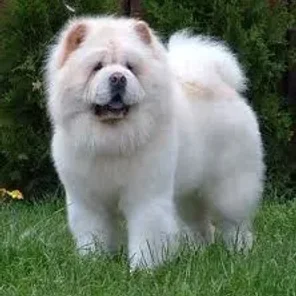
Chow Chow
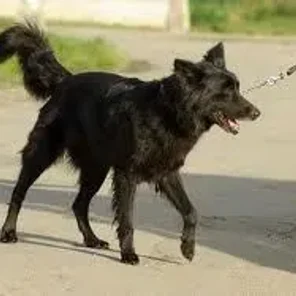
Cierny Sery

Cimarrón Uruguayo
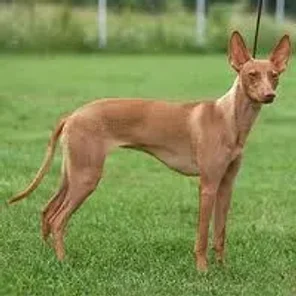
Cirneco dell'Etna
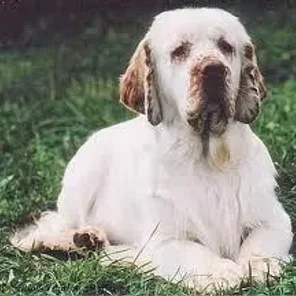
Clumber Spaniel
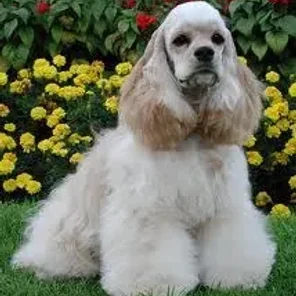
Cocker Spaniel
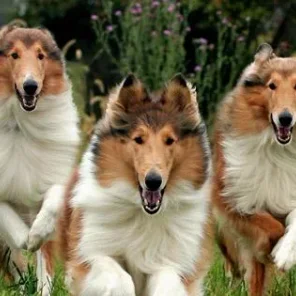
Collie
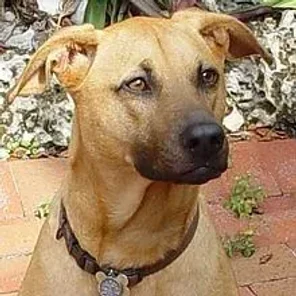
Combai
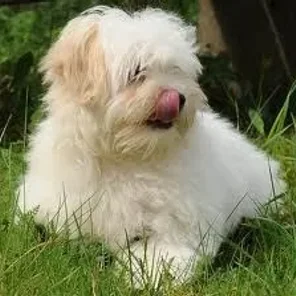
Coton de Tulear
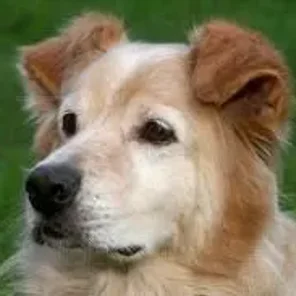
Coydog

Cretan Hound
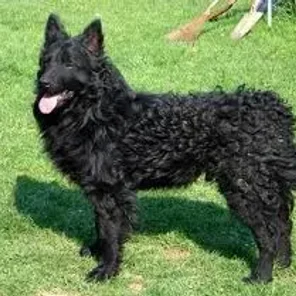
Croatian Sheepdog

Curly Coated Retriever

Cursinu
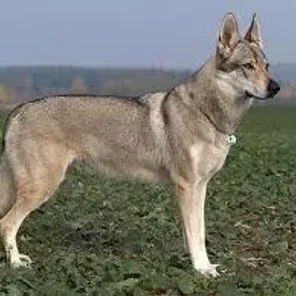
Czechoslovak Wolfdog
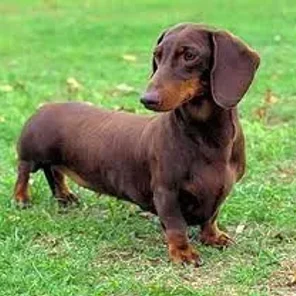
Dachshund
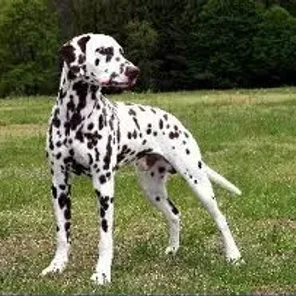
Dalmatian
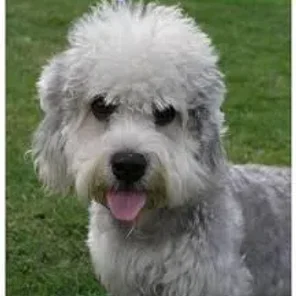
Dandie Dinmont Terrier
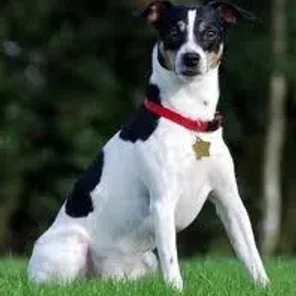
Danish Swedish Farmdog

Deutsche Bracke
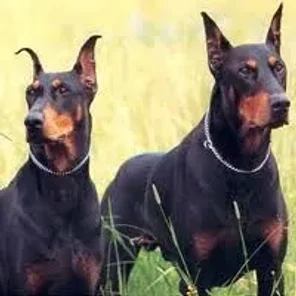
Doberman Pinscher
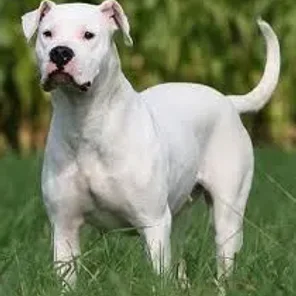
Dogo Argentino

Dogo Guatemalteco
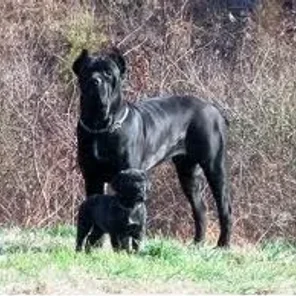
Dogo Sardesco
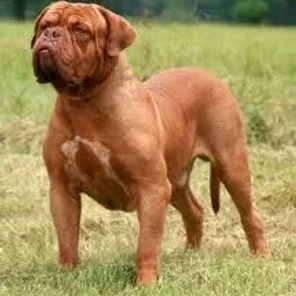
Dogue de Bordeaux
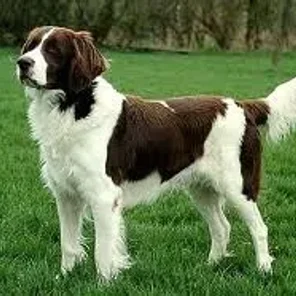
Drentse Patrijshond
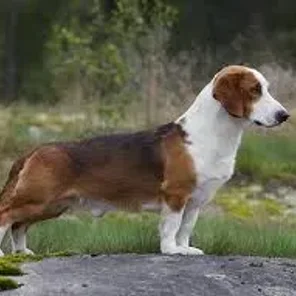
Drever
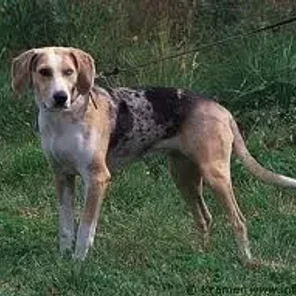
Dunker
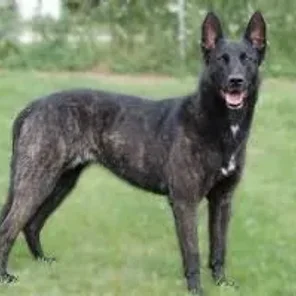
Dutch Shepherd
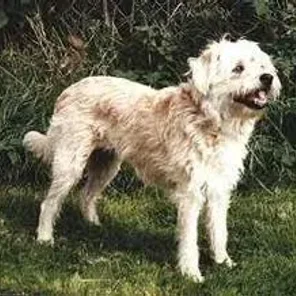
Dutch Smoushond
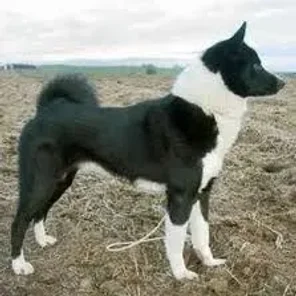
East Siberian Laika
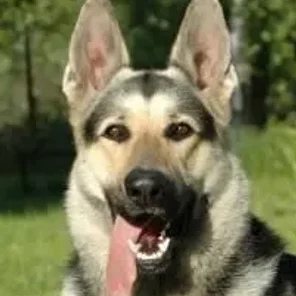
East-European Shepherd
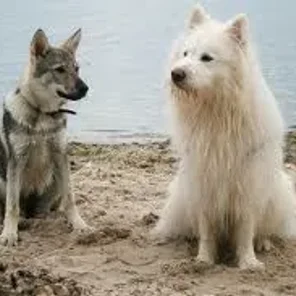
Elo
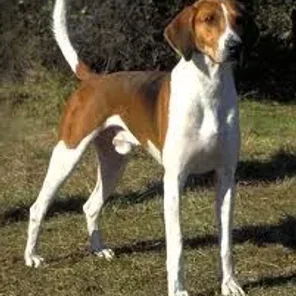
English Coonhound
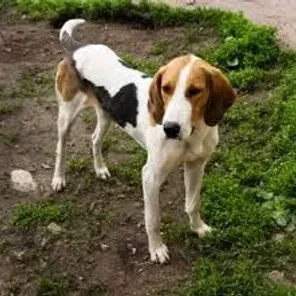
English Foxhound
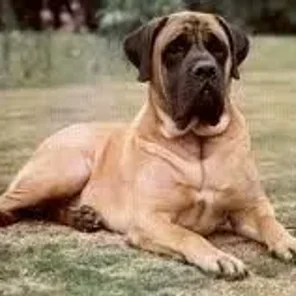
English Mastiff
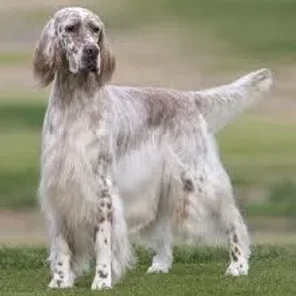
English Setter

English Shepherd
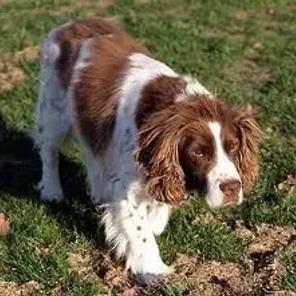
English Springer Spaniel

English Toy Spaniel
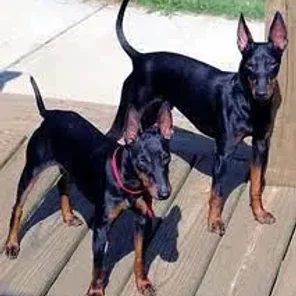
English Toy Terrier (Black & Tan)
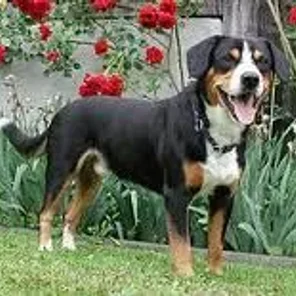
Entlebucher Mountain Dog
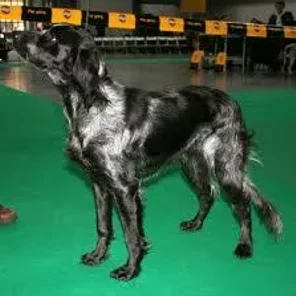
Épagneul Bleu de Picardie
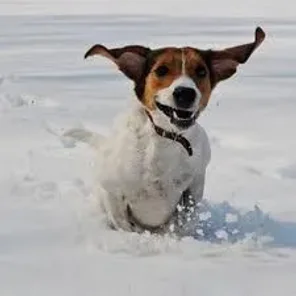
Estonian Hound
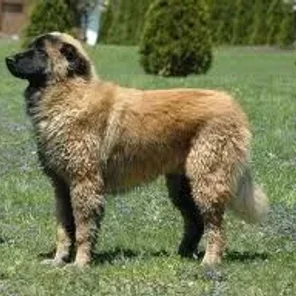
Estrela Mountain
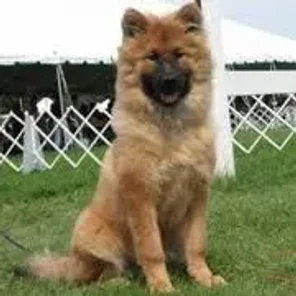
Eurasier
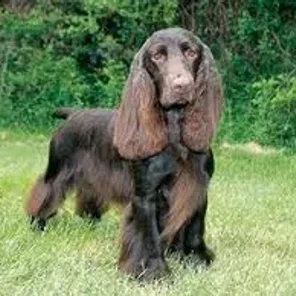
Field Spaniel
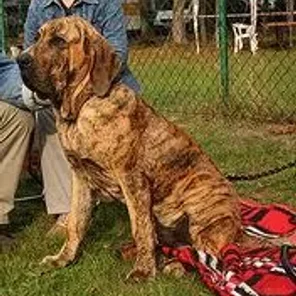
Fila Brasileiro
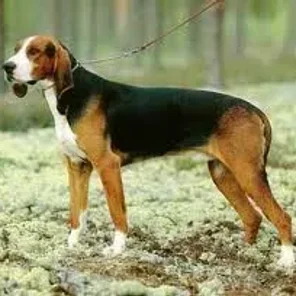
Finnish Hound
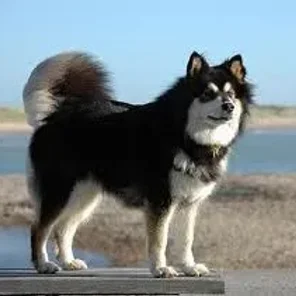
Finnish Lapphund
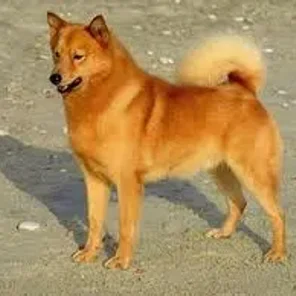
Finnish Spitz

Flat Coated Retriever
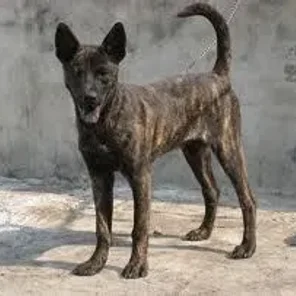
Formosan Mountain Dog
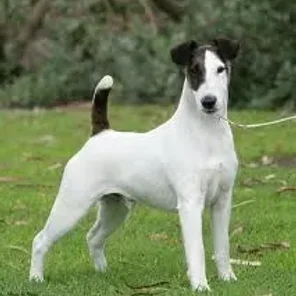
Fox Terrier (Smooth)
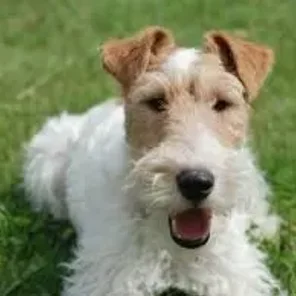
Fox Terrier (Wire)
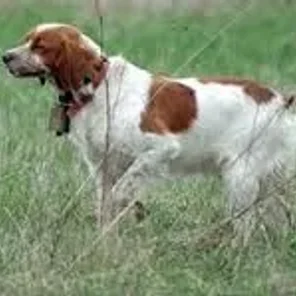
French Brittany

French Bulldog
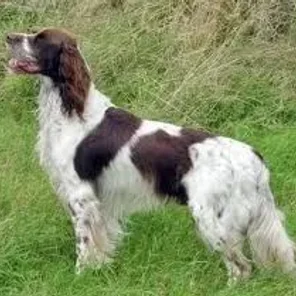
French Spaniel
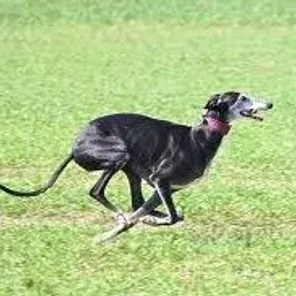
Galgo Espanol
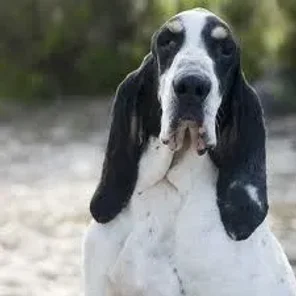
Gascon Saintongeois

German Longhaired Pointer
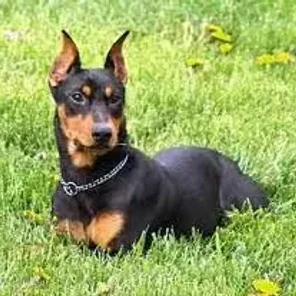
German Pinscher
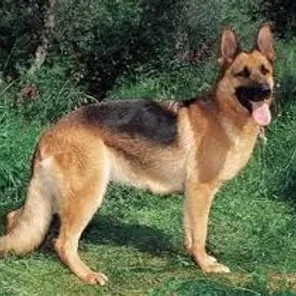
German Shepherd
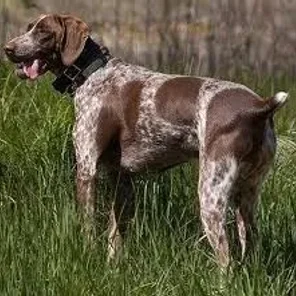
German Shorthaired Pointer

German Spaniel

German Spitz
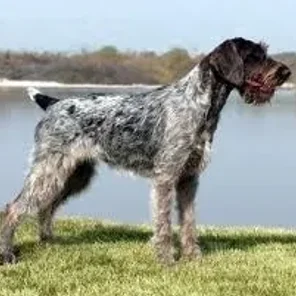
German Wirehaired Pointer
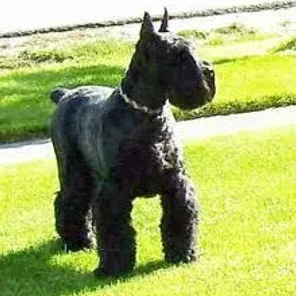
Giant Schnauzer
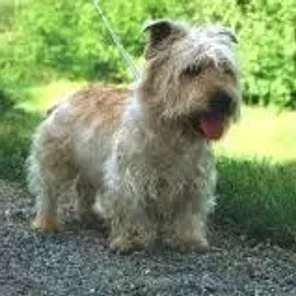
Glen of Imaal Terrier

Golden Retriever
Gordon Setter

Gran Mastín de Borínquen
Grand Anglo-Francais Blanc et Noir

Grand Anglo-Francais Blanc et Orange
Grand Anglo-Francais Tricolore
Grand Basset Griffon Vendéen
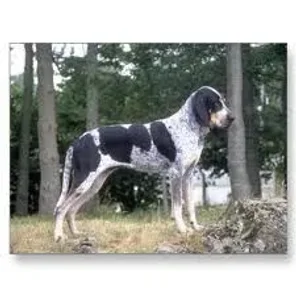
Grand Bleu de Gascogne
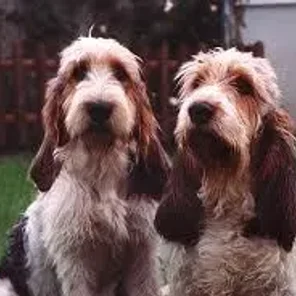
Grand Griffon Vendéen
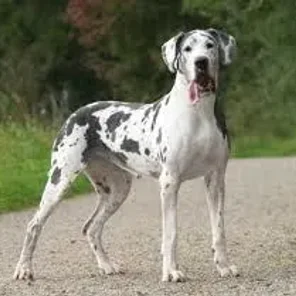
Great Dane
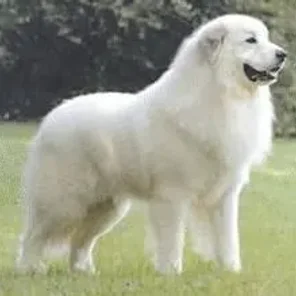
Great Pyrenees
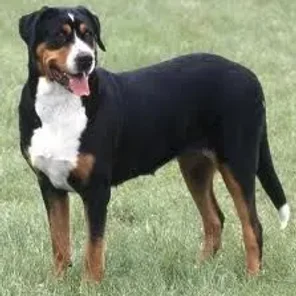
Greater Swiss Mountain Dog
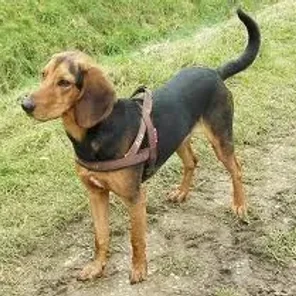
Greek Harehound
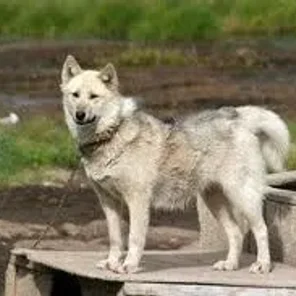
Greenland
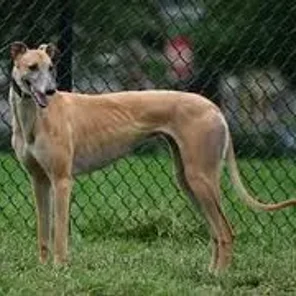
Greyhound
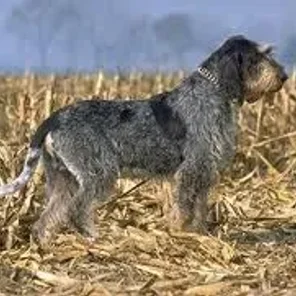
Griffon Bleu de Gascogne
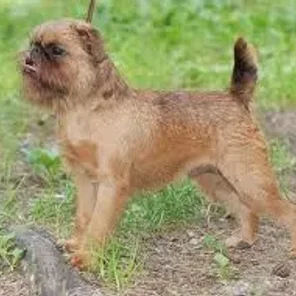
Griffon Bruxellois

Griffon Fauve de Bretagne
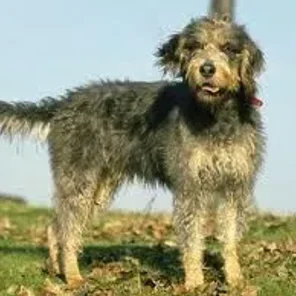
Griffon Nivernais
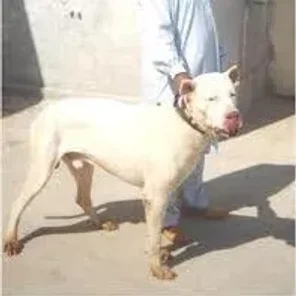
Gull Dong
Gull Terr
Hamiltonstövare

Hanover Hound

Harrier
Havanese
Himalayan Sheepdog
Hokkaido
Hortaya Borzaya
Hovawart
Hungarian Hound
Hygenhund
Ibizan Hound
Icelandic Sheepdog

Indian Spitz
Irish Red and White Setter
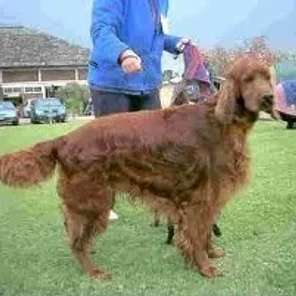
Irish Setter
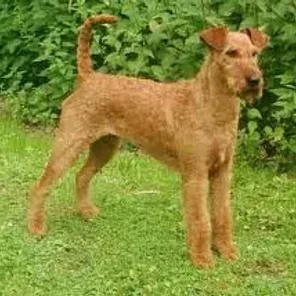
Irish Terrier
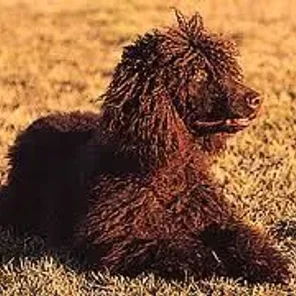
Irish Water Spaniel
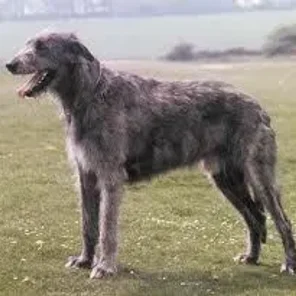
Irish Wolfhound
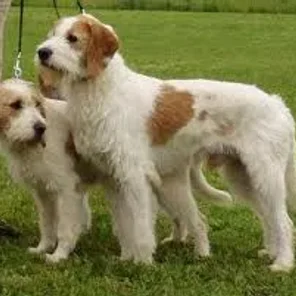
Istrian Coarse-haired Hound
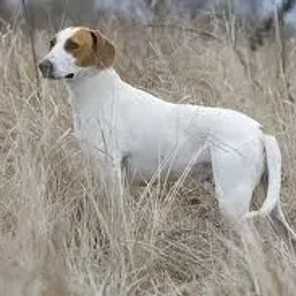
Istrian Shorthaired Hound
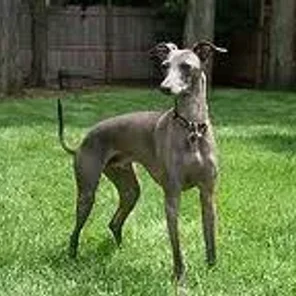
Italian Greyhound

Jack Russell Terrier

Jagdterrier
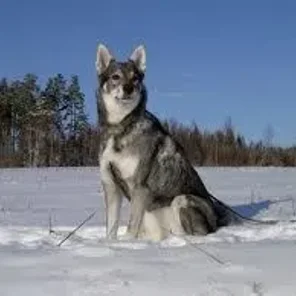
Jämthund

Japanese Chin
Japanese Spitz
Japanese Terrier

Jonangi
Kai Ken
Kaikadi

Kangal

Kanni
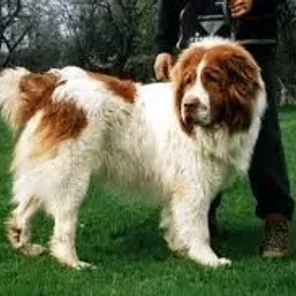
Karakachan
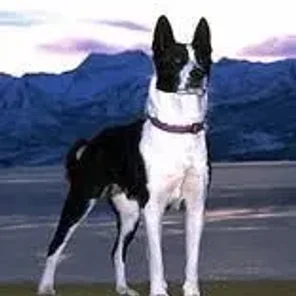
Karelian Bear Dog
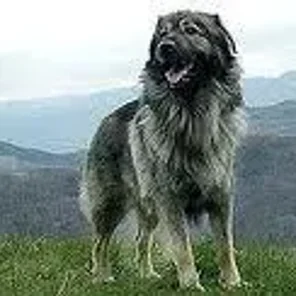
Karst Shepherd
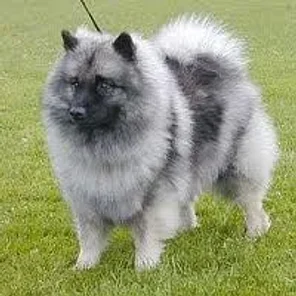
Keeshond
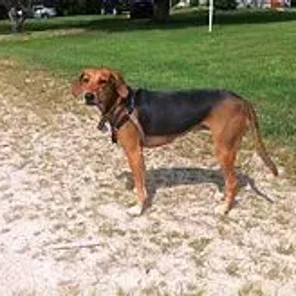
Kerry Beagle
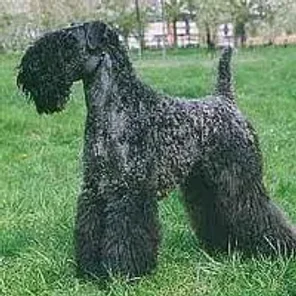
Kerry Blue Terrier
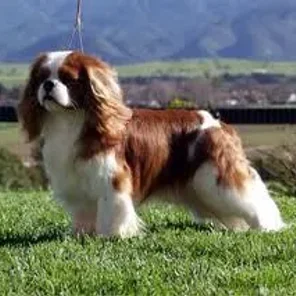
King Charles Spaniel
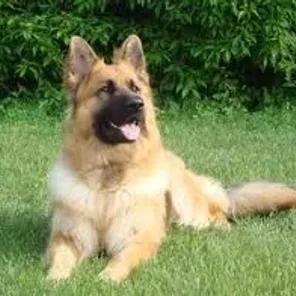
King Shepherd

Kintamani

Kishu
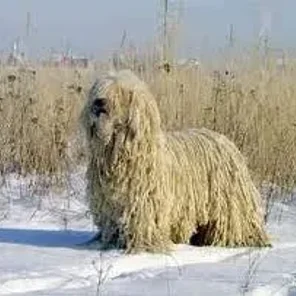
Komondor
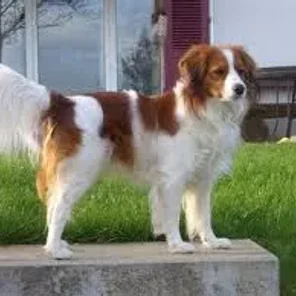
Kooikerhondje
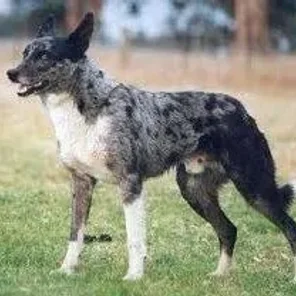
Koolie
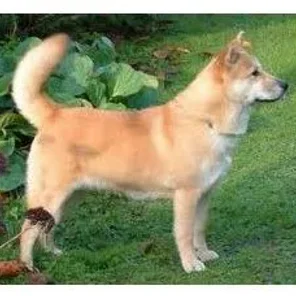
Korean Jindo
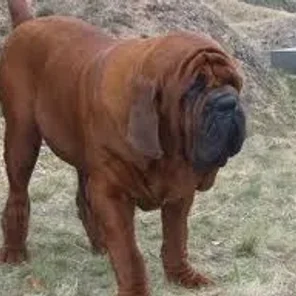
Korean Mastiff

Kromfohrländer
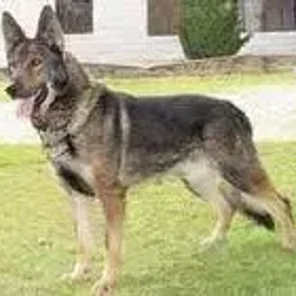
Kunming Wolfdog
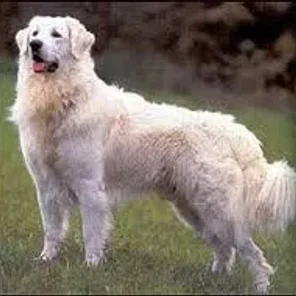
Kuvasz
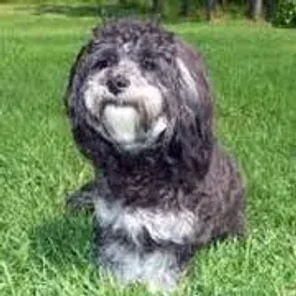
Kyi-Leo
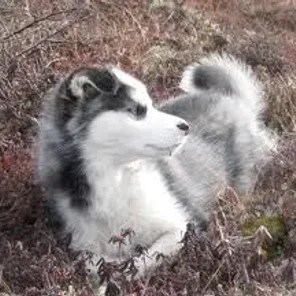
Labrador Husky

Labrador Retriever
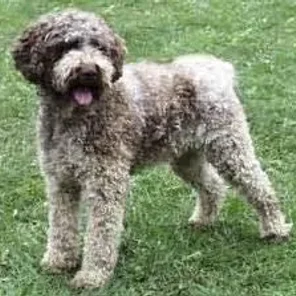
Lagotto Romagnolo
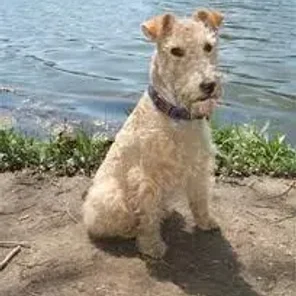
Lakeland Terrier

Lancashire Heeler
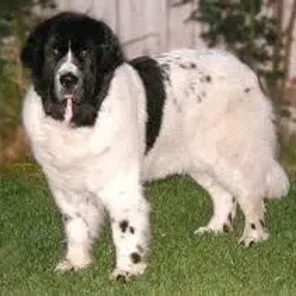
Landseer
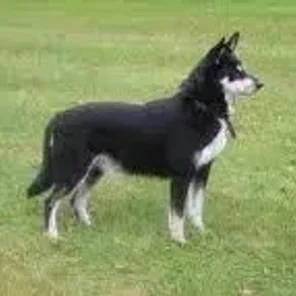
Lapponian Herder
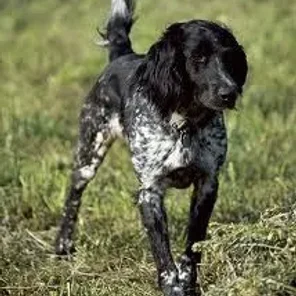
Large Münsterländer
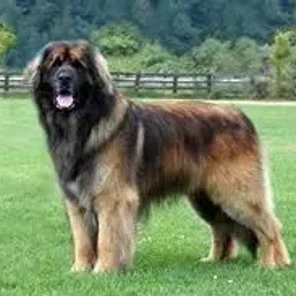
Leonberger
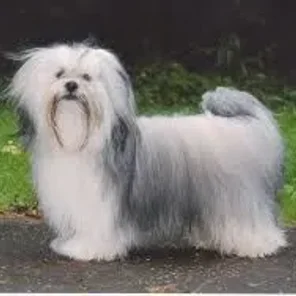
Lhasa Apso
Lithuanian Hound

Longhaired Whippet
Löwchen
Magyar Agár

Maltese
Manchester Terrier
Maremma Sheepdog
McNab
Mexican Hairless
Miniature Australian Shepherd
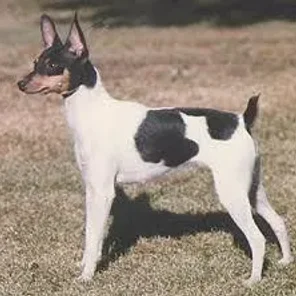
Miniature Fox Terrier

Miniature Pinscher
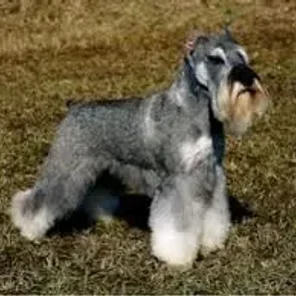
Miniature Schnauzer
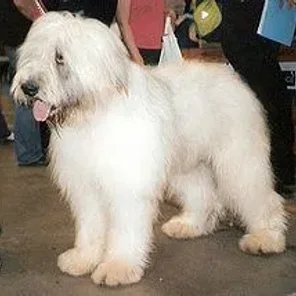
Mioritic
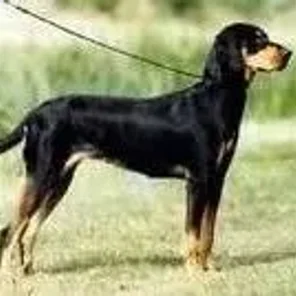
Montenegrin Mountain Hound
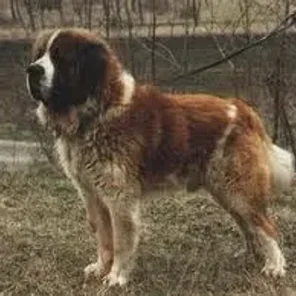
Moscow Watchdog

Mountain Cur
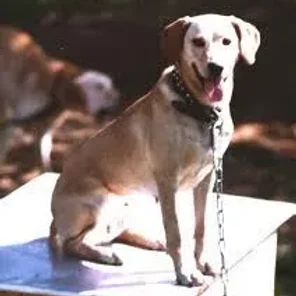
Mountain View Cur
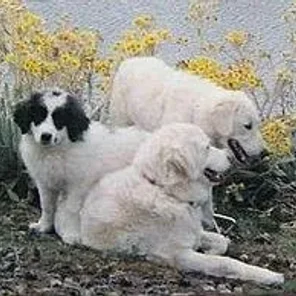
Mucuchies

Mudhol Hound
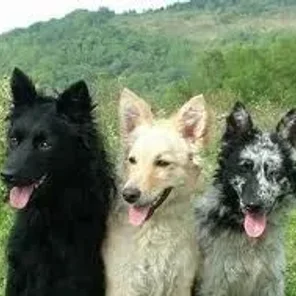
Mudi
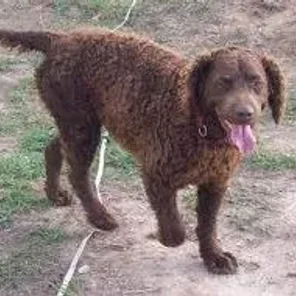
Murray River Curly Coated Retriever
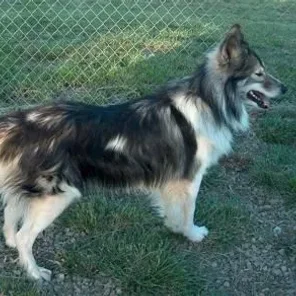
Native American Indian Dog
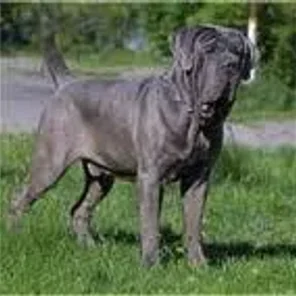
Neapolitan Mastiff

New Zealand Huntaway
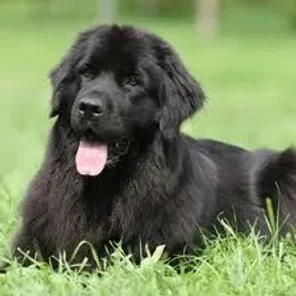
Newfoundland
Norfolk Terrier

Norrbottenspets
Northern Inuit
Norwegian Buhund
Norwegian Elkhound
Norwegian Lundehund

Norwich Terrier
Nova Scotia Duck-Tolling Retriever
Old Danish Pointer
Old English Sheepdog
Old English Terrier
Old German Shepherd
Old Time Farm Shepherd

Olde English Bulldogge
Otterhound

Pachon Navarro

Papillon
Parson Russell Terrier
Patterdale Terrier
Pekingese
Pembroke Welsh Corgi
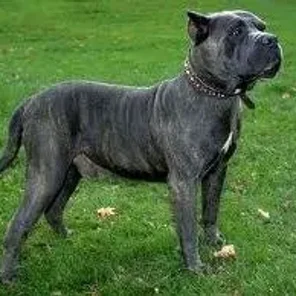
Perro de Presa Canario
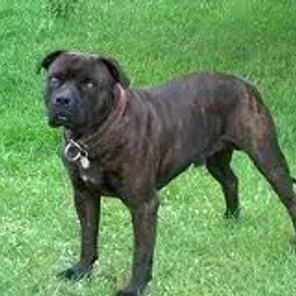
Perro de Presa Mallorquin
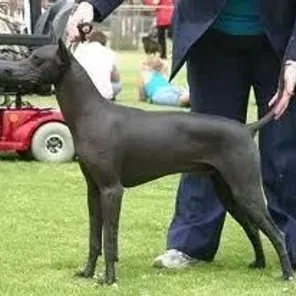
Peruvian Hairless
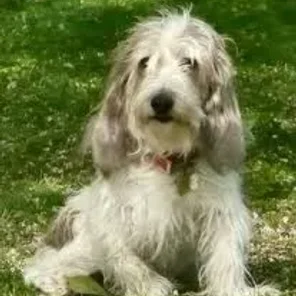
Petit Basset Griffon Vendéen
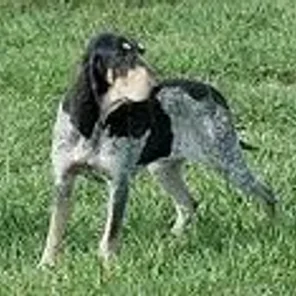
Petit Bleu de Gascogne

Phalène

Pharaoh Hound
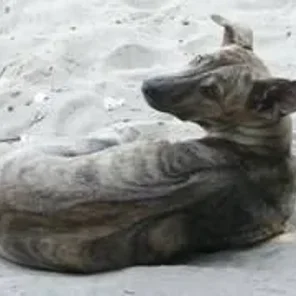
Phu Quoc ridgeback
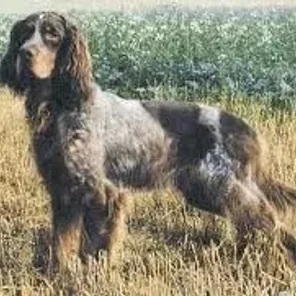
Picardy Spaniel
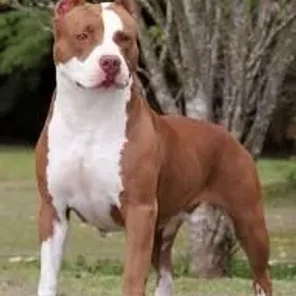
Pit Bull Terrier

Plott Hound
Podenco Canario
Pointer
Polish Greyhound
Polish Hound

Polish Hunting
Polish Lowland Sheepdog
Polish Tatra Sheepdog
Pomeranian
Pont-Audemer Spaniel
Poodle

Porcelaine

Portuguese Podengo
Portuguese Pointer
Portuguese Water Dog
Posavac Hound
Pražský Krysarík
Pudelpointer
Pug
Puli
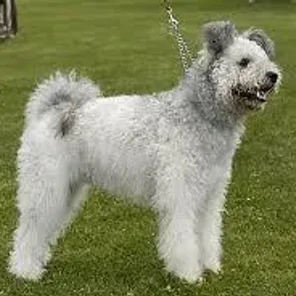
Pumi

Pungsan
Pyrenean Mastiff
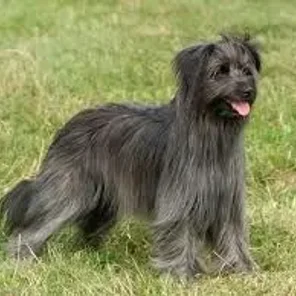
Pyrenean Shepherd
Rafeiro do Alentejo

Rajapalayam

Rampur Greyhound
Rat Terrier
Ratonero Bodeguero Andaluz

Redbone Coonhound
Rhodesian Ridgeback
Rottweiler
Rough Collie

Russian Spaniel

Russian Toy
Russo-European Laika
Saarlooswolfhond
Sabueso Español
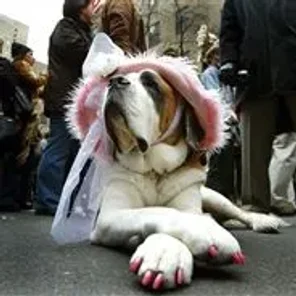
Saint Bernard
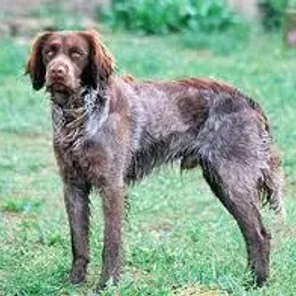
Saint-Usuge Spaniel
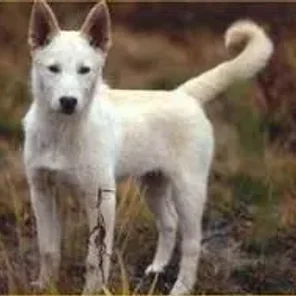
Sakhalin Husky

Saluki

Samoyed
Sapsali
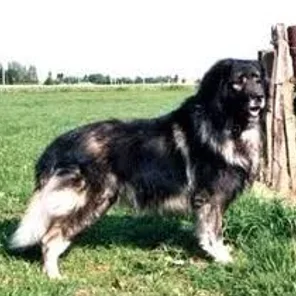
Sarplaninac

Schapendoes

Schillerstövare
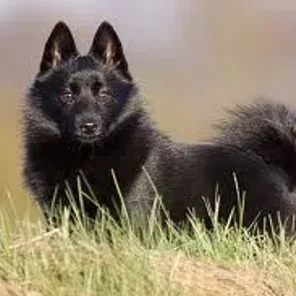
Schipperke
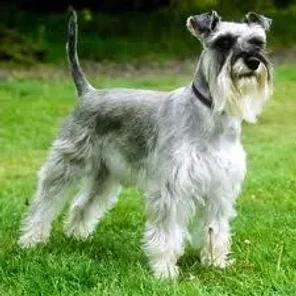
Schnauzer
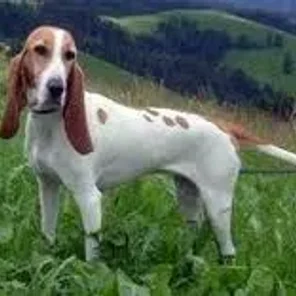
Schweizer Laufhund

Schweizerischer Niederlaufhund
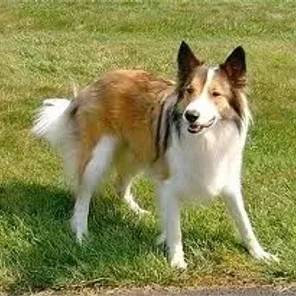
Scotch Collie
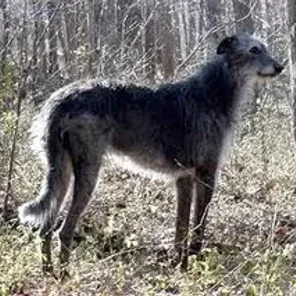
Scottish Deerhound
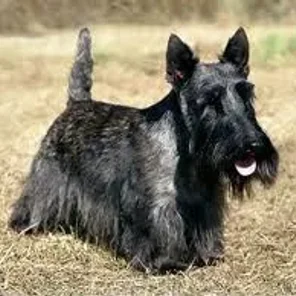
Scottish Terrier
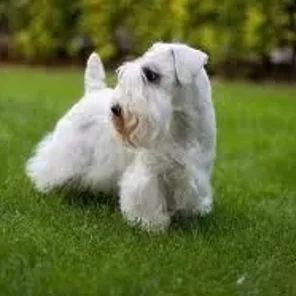
Sealyham Terrier
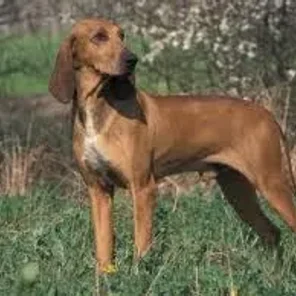
Segugio Italiano

Seppala Siberian Sleddog

Serbian Hound
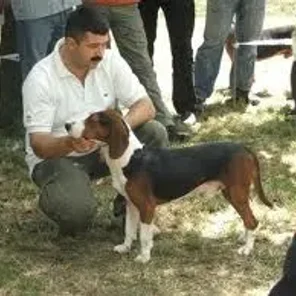
Serbian Tricolour Hound
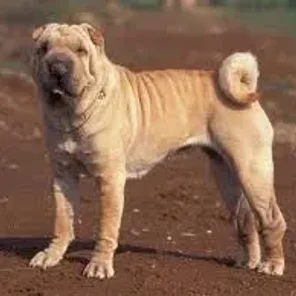
Shar Pei
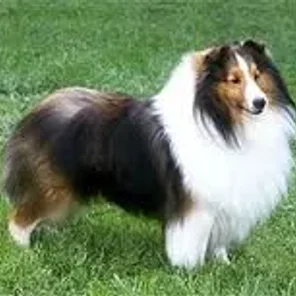
Shetland Sheepdog
Shiba Inu

Shih Tzu
Shikoku
Shiloh Shepherd
Siberian Husky

Silken Windhound
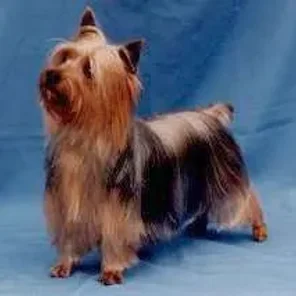
Silky Terrier

Sinhala Hound
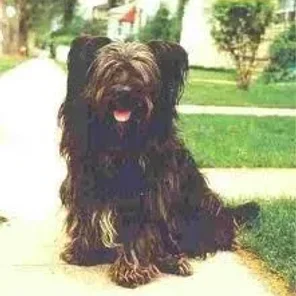
Skye Terrier
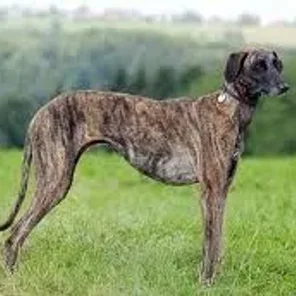
Sloughi

Slovak Cuvac
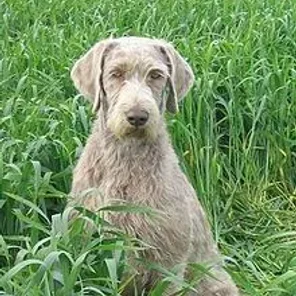
Slovakian Rough-haired Pointer
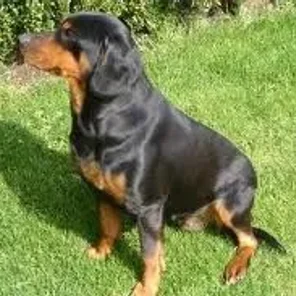
Slovenský Kopov
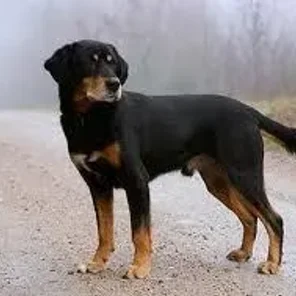
Smålandsstövare
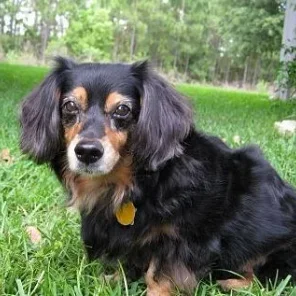
Small Greek Domestic
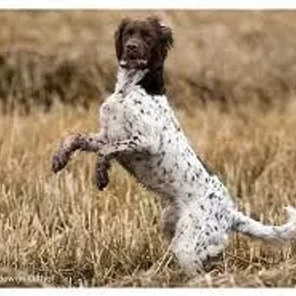
Small Münsterländer

Smooth Collie
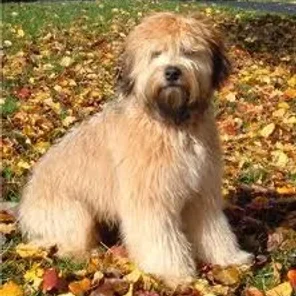
Soft-Coated Wheaten Terrier
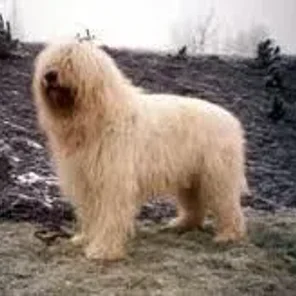
South Russian Ovcharka

Spanish Mastiff
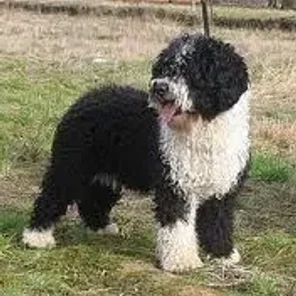
Spanish Water Dog
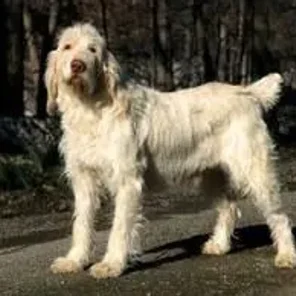
Spinone Italiano

Sporting Lucas Terrier
Stabyhoun

Staffordshire Bull Terrier
Standard Schnauzer
Stephens Cur

Styrian Coarse-haired Hound

Sussex Spaniel
Swedish Lapphund
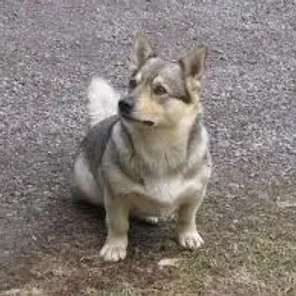
Swedish Vallhund
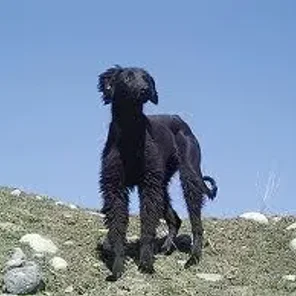
Taigan
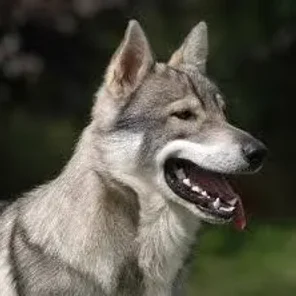
Tamaskan

Teddy Roosevelt Terrier
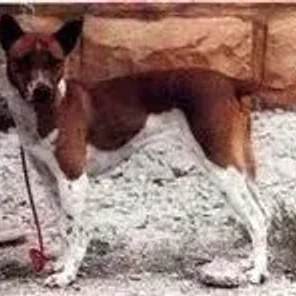
Telomian
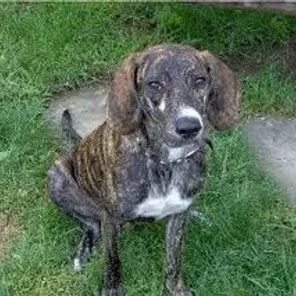
Tennessee Treeing Brindle

Tenterfield Terrier
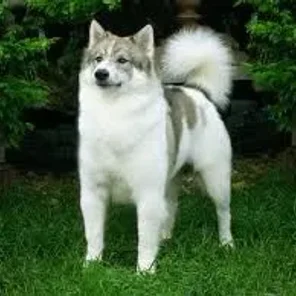
Thai Bangkaew
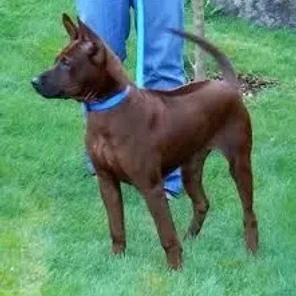
Thai Ridgeback
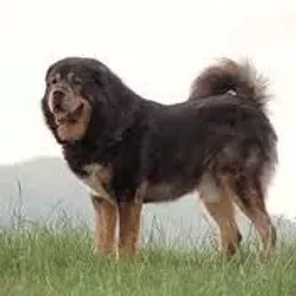
Tibetan Mastiff
Tibetan Spaniel
Tibetan Terrier

Tornjak
Tosa
Toy Fox Terrier

Toy Manchester Terrier
Transylvanian Hound

Treeing Walker Coonhound
Trigg Hound

Tyrolean Hound
Utonagan
Vizsla
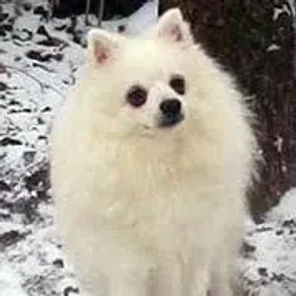
Volpino Italiano
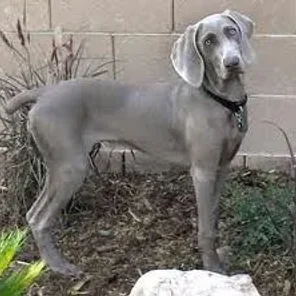
Weimaraner
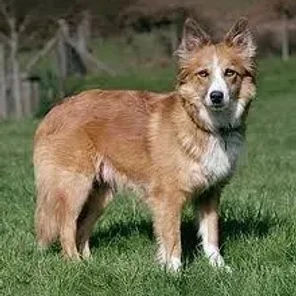
Welsh Sheepdog
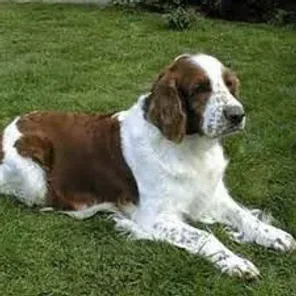
Welsh Springer Spaniel
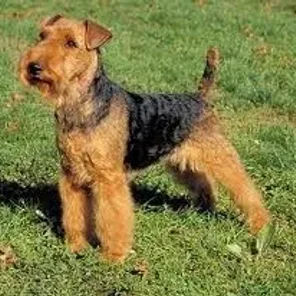
Welsh Terrier
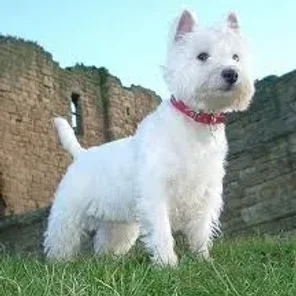
West Highland White Terrier
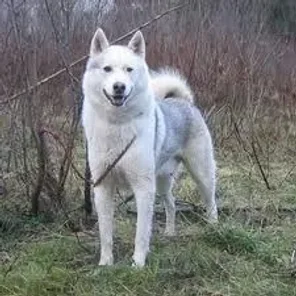
West Siberian Laika
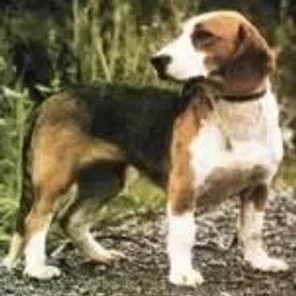
Westphalian Dachsbracke
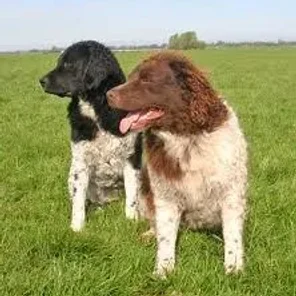
Wetterhoun
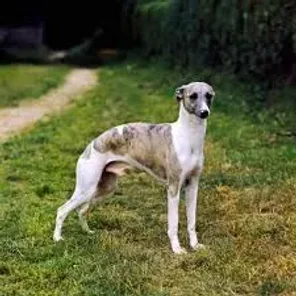
Whippet

White English Bulldog
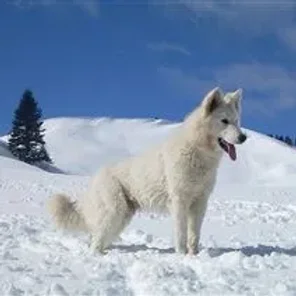
White Shepherd
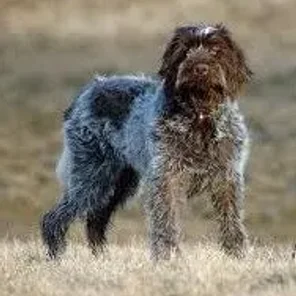
Wirehaired Pointing Griffon

Wirehaired Vizsla
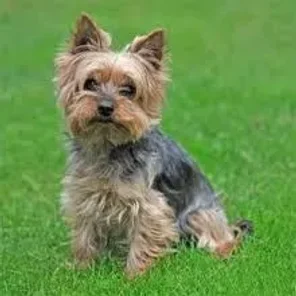
Yorkshire Terrier