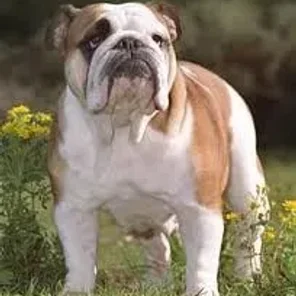
About Bulldog
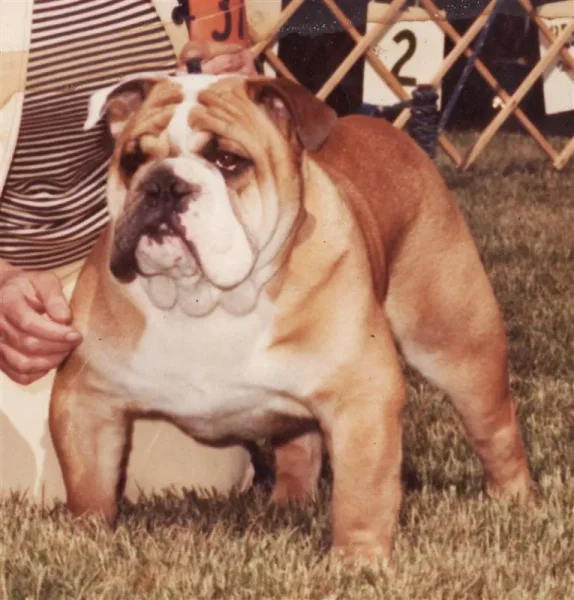
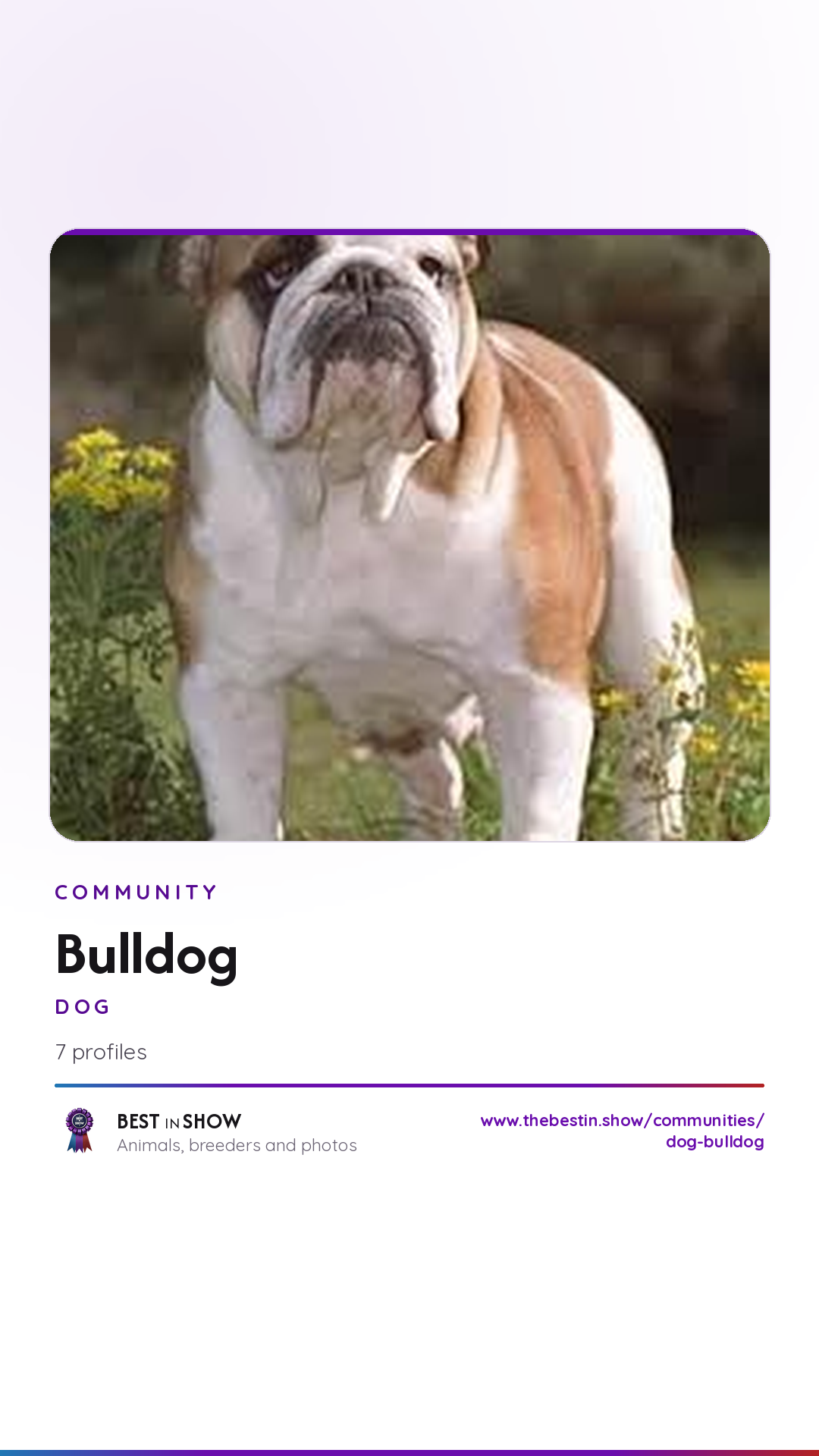
The Bulldog is a muscular heavy dog with a wrinkled face and a distinctive pushed-in nose. The American Kennel Club (AKC), The Kennel Club (UK) and the United Kennel Club (UKC) oversee breeding standards. <br /> <br />This rollicking family dog loves everyone and is suited to many types of homes because he’s so good-natured. But because of his flat face and heavy build, he is highly sensitive to heat and must always live indoors. <br /> <br />Laughter, love and a face everyone adores ensure the enduring popularity of the Bulldog. He's a gentle family companion today, but he was originally bred to fight bulls for sport – a past that, combined with his stalwart devotion, has made the breed the mascot of a number of colleges as well as the United States Marine Corps. No breed is more admired for the qualities of loyalty and determination that the Bulldog represents. <br /> <br />Few breeds are as easily recognized as the Bulldog, with his wrinkled mug, distinctive underbite and Churchillian jowls. Sometimes referred to as the English or British Bulldog, he's a short, sturdy dog with a bow-legged gait, weighing between 40 and 60 pounds. <br /> <br />If all you're talking about is personality and temperament, the Bulldog is just about perfect. He loves children and is very easy to train as a family pet. He's an endless source of amusement, clever and very affectionate. He’s also an attention magnet everywhere he goes. <br /> <br />The Bulldog may be perfect in spirit, but in the flesh, he’s a different story. These dogs are intolerant of warm weather, and may die if overheated. Too much exercise or stress can make it difficult for them to breathe. Without exception, Bulldogs must live indoors, and need air conditioning in all but the mildest summer weather. <br /> <br />Most Bulldogs are born by C-section. Because breeding them is expensive, the puppies are, too. Love is an expensive proposition when you own a Bulldog. <br /> <br />In general, the Bulldog is an easy-care breed. His exercise needs are manageable for even the most dedicated couch potato, and he doesn’t tend to be a picky eater. He has a short coat that doesn’t require any fancy grooming, but he does have some special needs when it comes to skin care. Last but not least, it’s important for him to live in air-conditioned comfort, not only to prevent heatstroke but also because he loves his family and wants to be with them. He’s not a dog who can or should live outdoors. <br /> <br />Other Quick Facts <br />The Bulldog has a distinctive walk: a loose-jointed, shuffling, sidewise roll. <br />Many Bulldogs breathe in a labored fashion and it’s often difficult for their bodies to dissipate heat. <br />Bulldogs can’t swim. Their massive head, solid torso and short legs limit their ability to stay above water. If you have a pool, spa or pond on your property, limit your Bulldog’s access to it. <br />The Bulldog’s smooth coat can be brindle, solid white, solid red, fawn or fallow, or piebald. <br /> <br />The History of Bulldogs <br />The Bulldog has been around, in one form or another, for at least 500 years. The earliest types were tall and ferocious, necessary traits for a dog whose job it was to grab a bull by the nose to hold him in place. Bull-baiting, as this activity was known, had an actual purpose—to bring bulls in for breeding or castration, for instance—but it also became a popular form of entertainment in a time when there were no movie theaters, televisions or video games. <br /> <br />The Bulldog’s appearance stayed much the same through the early nineteenth century, but that began to change with the outlawing of dog fighting in England (another popular “sport”) and the rise of dog shows. People who bred Bulldogs for exhibition selected for dogs with shorter legs and bigger heads until they arrived at a dog with a heavy, thick-set, low-slung body, wide shoulders and a massive head. They also moderated the dog’s temperament, taking it from tough to kind, from aggressive to courageous but never vicious. The modern Bulldog has a pacific and dignified nature. <br /> <br />It was only a matter of time before the Bulldog made his way to the United States. The American Kennel Club first registered a Bulldog in 1886, and the Bulldog Club of America was formed in 1890. One of the successful show dogs of this time, Handsome Dan, was the original Yale mascot, and all of his successors have borne the same name. The University of Georgia also has a Bulldog mascot. Each one goes by the name Uga. <br /> <br />Bulldogs became associated with the U. S. Marine Corps during World War I, and they are now the USMC’s mascot. All Marine Bulldogs are called Chesty. <br /> <br />In the past decade, the Bulldog’s popularity has risen dramatically. Nineteenth in AKC rankings in 2001, in 2010 he had risen to sixth place, a testament to his sweet and fun-loving personality. <br /> <br />Bulldog Temperament and Personality <br />Bulldogs are friendly, easygoing and get along with everyone, including children and other animals. They aren’t barkers, and they love spending time with their people. <br /> <br />His love of people, tolerant attitude toward children, amiable temperament and solid bulk make the Bulldog a great companion for families with kids. Bulldogs also do well with people at the other end of the age spectrum. Their restful nature makes them a good fit for anyone who enjoys a relaxed lifestyle. <br /> <br />Mellow he may be, but the Bulldog retains a hint of the tenacity and headstrong nature that characterized his ancestors. He’s often considered difficult to train, but people who love him say that’s a misconception. The Bulldog likely won’t be a standout in the obedience ring, but when he learns something, he knows it cold. This breed learns best through fun training sessions that involve repetition and positive reinforcement—treats and praise. <br /> <br />The Bulldog has a moderate energy level. A 15-minute walk has him ready for a nap. He’s willing to go a couple of miles if that’s what you want to do, but he’s fine with a brief turn up and down the street, too. Remember to walk him only when it’s cool outside, never in the heat of the day. <br /> <br />The Bulldog is sociable and sweet, and his reputation for courage makes him an excellent watchdog. Who’s going to mess with a Marine mascot, after all? <br /> <br />What You Need to Know About Bulldog Health <br />When they aren’t bred for good health, Bulldogs can be a mess. Their hips and spines can be malformed and they are prone to knee issues and injuries. Their many wrinkles and folds, and tightly curled tails, mean lots of skin infections if they aren’t kept clean. Cherry eye, inverted eyelids, cataracts and dry eye are just a few of the eye abnormalities that can affect the Bulldog. <br /> <br />Brachycephalic airway syndrome is a common problem in Bulldogs. This developmental condition results in a narrowing of the upper airway, making it difficult for flat-faced dogs, such as the Bulldog, to breathe. Because there is more upper airway resistance, dogs with this syndrome can't cool off as easily, and may overheat faster than other breeds during warm weather or exercise. <br /> <br />Other conditions that can potentially affect Bulldogs include allergies and skin problems, several kinds of bladder stones, difficulty giving birth and cancer. Most of these problems have no screening tests, but they are known or believed to be genetic. A DNA test for canine hyperuricosuria, a condition that can result in a certain type of bladder stones, is now available for the Bulldog. <br /> <br />Bulldogs are also at high risk for gastric torsion. The stomach twists on itself, cutting off the blood supply, and requires immediate emergency surgery. <br /> <br />Before individual Bulldogs can be included in the Canine Health Information Center (CHIC) database, the Bulldog Club of America requires them to have a patella (knee) evaluation from the Orthopedic Foundation for Animals and an OFA cardiology exam. You can search the OFA and CHIC websites yourself to see if a pup’s parents are listed. <br /> <br />Breeders must agree to have all test results, positive or negative, published in the CHIC database. A dog need not receive good or even passing scores on the evaluations to obtain a CHIC number, so CHIC registration alone is not proof of soundness or absence of disease, but all test results are posted on the CHIC website and can be accessed by anyone who wants to check the health of a puppy’s parents. If the breeder tells you she doesn't need to do those tests because she's never had problems in her lines and her dogs have been "vet checked," then you should go find a breeder who is more rigorous about genetic testing. <br /> <br />Careful breeders screen their breeding dogs for genetic disease and breed only the healthiest and best-looking specimens, but sometimes Mother Nature has other ideas and a puppy develops one of these diseases despite good breeding practices. Advances in veterinary medicine mean that in most cases the dogs can still live a good life. If you’re getting a puppy, ask the breeder about the ages of the dogs in her lines and what they died of. (For more information of choosing a good breeder go to the “Find” chapter.) <br /> <br />Genetic issues aren’t the only health problems that face Bulldogs. Because of their flat face and heavy build, they are highly susceptible to heatstroke and can die in the space of half an hour or less if left outside on a hot day. If your Bulldog goes with you to a picnic, baseball game or some other outdoor summer event, take steps to keep him cool and provide him with plenty of water to drink. <br /> <br />Compared to his earliest ancestors, today’s Bulldog is not athletic, but it’s not unheard of for Bulldogs to compete and title in agility, flyball, obedience, tracking and rally. There are Bulldogs who skateboard and even surf! If you choose a Bulldog puppy from a conscientious breeder, you can have a healthy dog who is fully capable of participating in fun activities. Though be sure to check with your vet if you want to pursue anything extremely physical with your pet as Bulldog’s aren’t exactly built for speed. <br /> <br />Remember that after you’ve taken a new puppy into your home, you have the power to protect him from one of the most common health problems: obesity. Keeping a Bulldog at an appropriate weight is one of the easiest ways to improve his health and extend his life. Make the most of your preventive abilities to help ensure a healthier dog for life. <br /> <br /> <br />http://en.wikipedia.org/wiki/Bulldog
Recently added Bulldog profiles

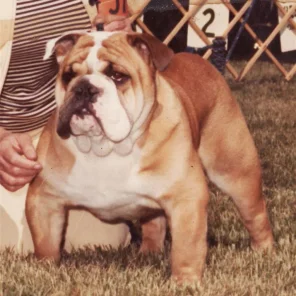
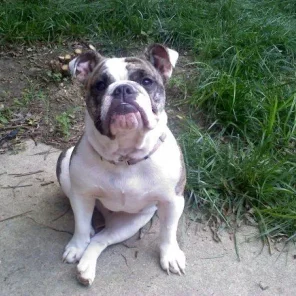

Photos
See all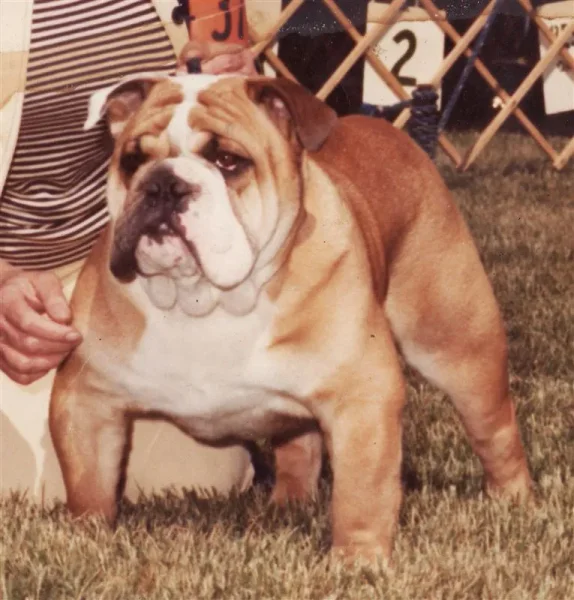



Articles about Bulldog
See all
Is Your Dog Drooling Excessively
Pedegru · Jun 3, 2017
Some of the Most Inspiring Pets in Sports
Robert Van Winkle Storefront · May 6, 2015

Iggy Azalea's New Puppy Has The Most Unique Name Ever
Pedegru & Luxemere Arabians · May 6, 2015
20 Low Maintenance Dog Breeds For You - Part I
de Breze Publications · Apr 30, 2015
Subtypes
See all

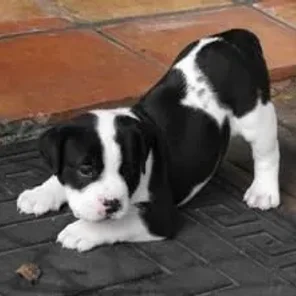
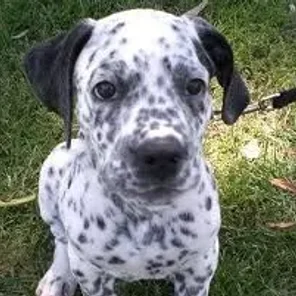
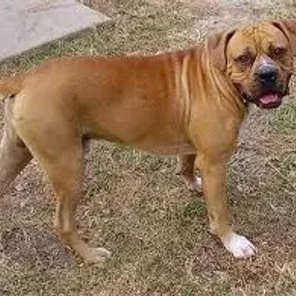
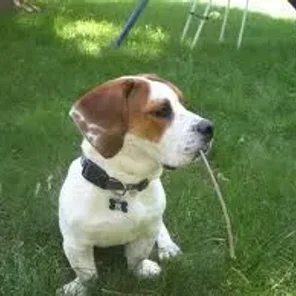


Related breeds
Affenpinscher
Afghan Hound
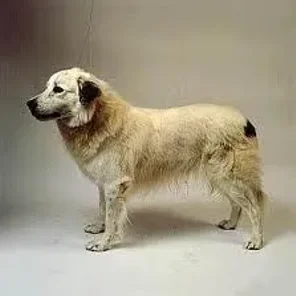
Aidi
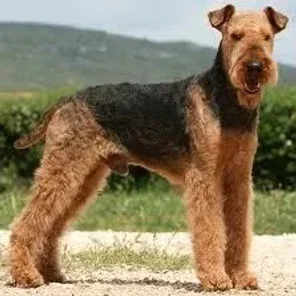
Airedale Terrier
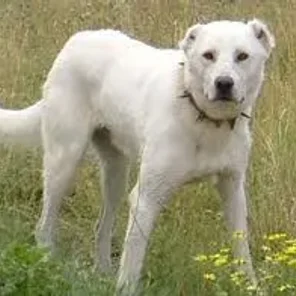
Akbash
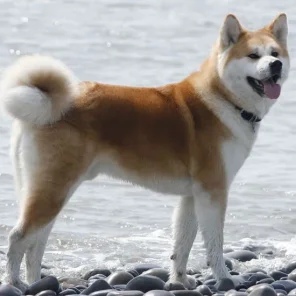
Akita Inu
Alano Español
Alapaha Blue Blood Bulldog
Alaskan Klee Kai
Alaskan Malamute
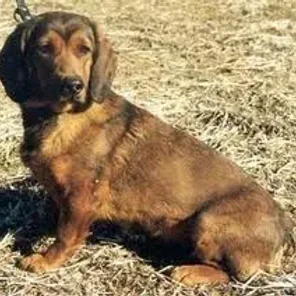
Alpine Dachsbracke
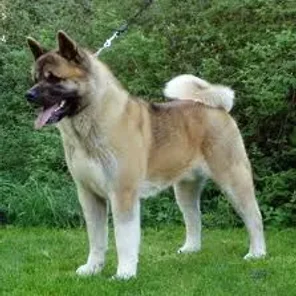
American Akita

American Alsatian
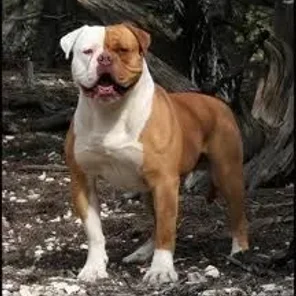
American Bulldog
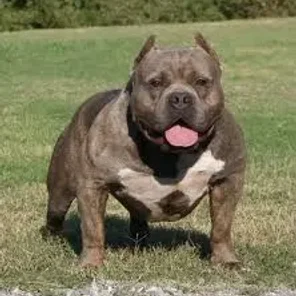
American Bully
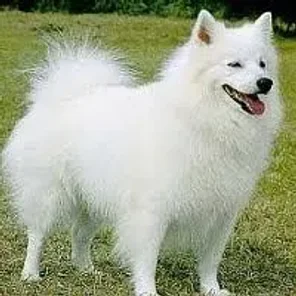
American Eskimo
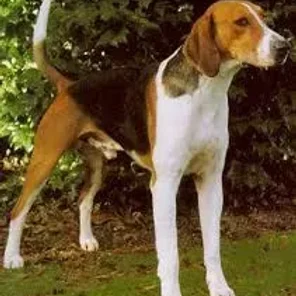
American Foxhound
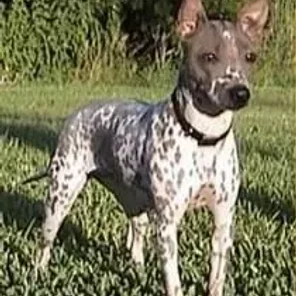
American Hairless Terrier

American Mastiff
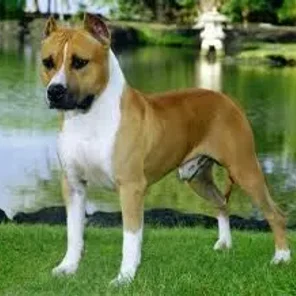
American Staffordshire Terrier

American Water Spaniel
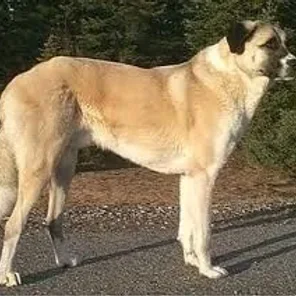
Anatolian Shepherd
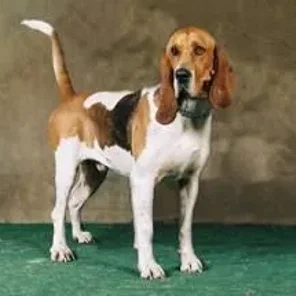
Anglo-Français de Petite Vénerie
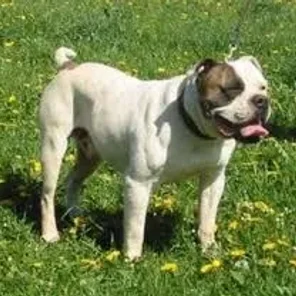
Antebellum Bulldog
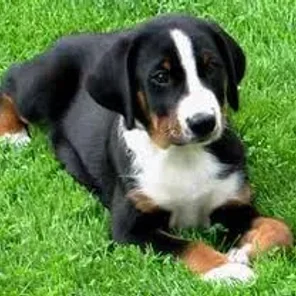
Appenzeller Sennenhund
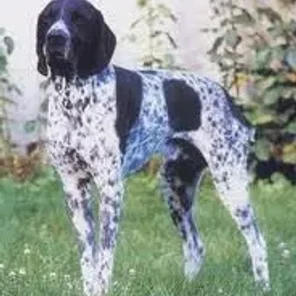
Ariege Pointer
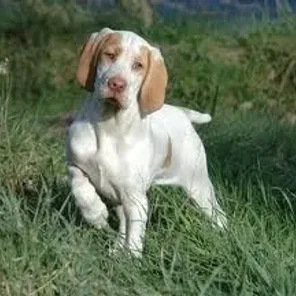
Ariegeois
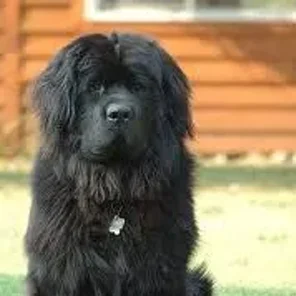
Armant

Armenian Gampr
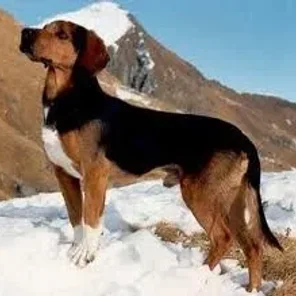
Artois Hound

Australian Bulldog
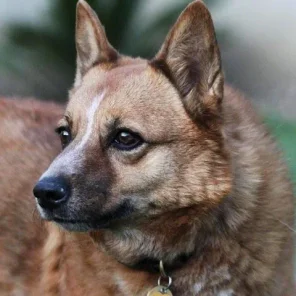
Australian Cattle Dog
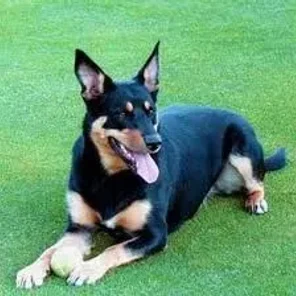
Australian Kelpie
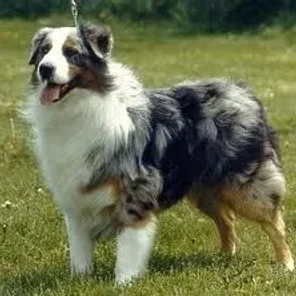
Australian Shepherd
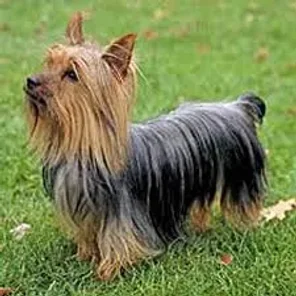
Australian Silky Terrier
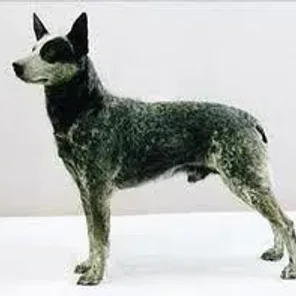
Australian Stumpy Tail Cattle Dog
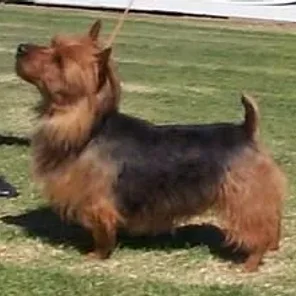
Australian Terrier
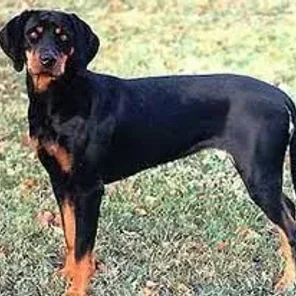
Austrian Black and Tan Hound

Austrian Pinscher
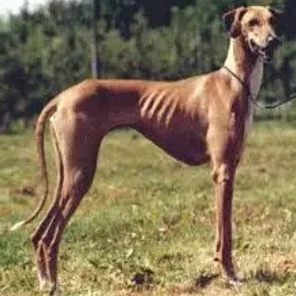
Azawakh
Bakharwal
Barbet
Basenji
Basque Shepherd

Basset Artésien Normand

Basset Bleu de Gascogne
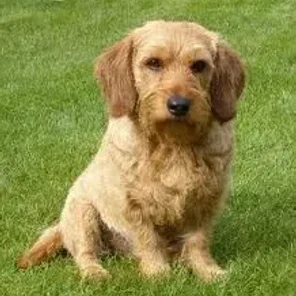
Basset Fauve de Bretagne

Basset Hound
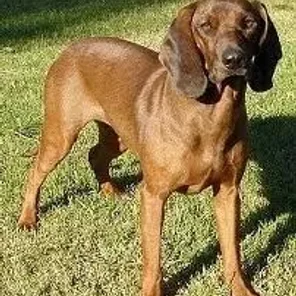
Bavarian Mountain Hound
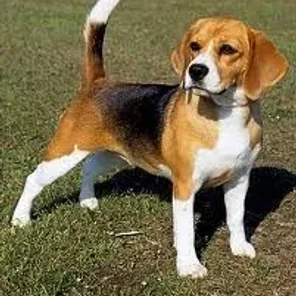
Beagle

Beagle-Harrier
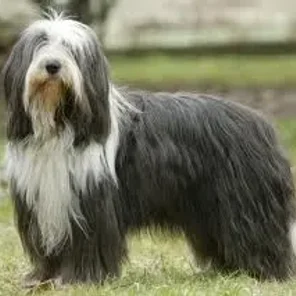
Bearded Collie

Beauceron

Bedlington Terrier

Belgian Sheepdog

Belgian Shepherd (Groenendael)
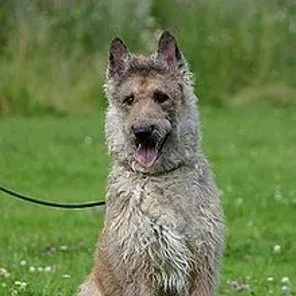
Belgian Shepherd (Laekenois)

Belgian Shepherd (Malinois)
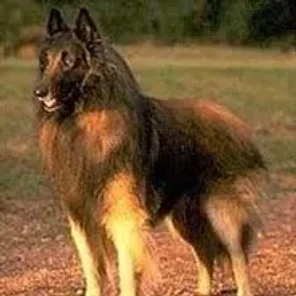
Belgian Shepherd (Tervuren)
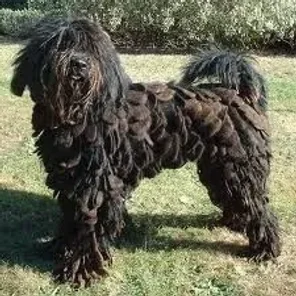
Bergamasco Shepherd
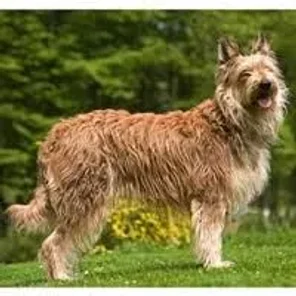
Berger Picard
Berner Laufhund
Bernese Mountain
Bichon Frisé
Billy
Bisben
Black and Tan Coonhound
Black and Tan Virginia Foxhound
Black Norwegian Elkhound

Black Russian Terrier
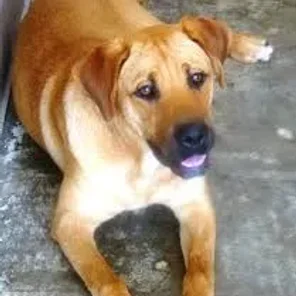
Blackmouth Cur
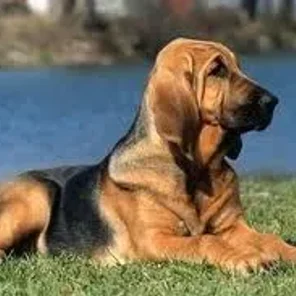
Bloodhound
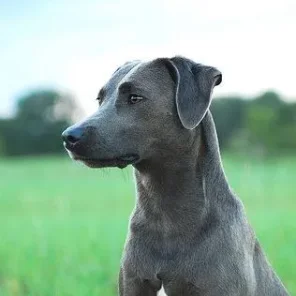
Blue Lacy

Bluetick Coonhound

Boerboel

Bohemian Shepherd
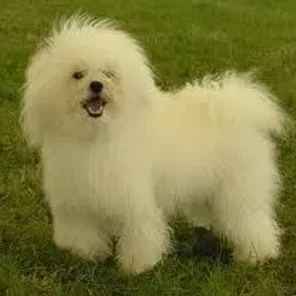
Bolognese
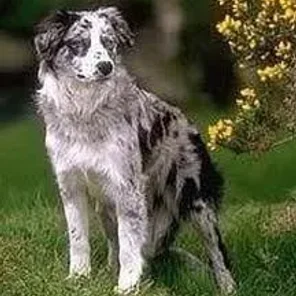
Border Collie

Border Terrier
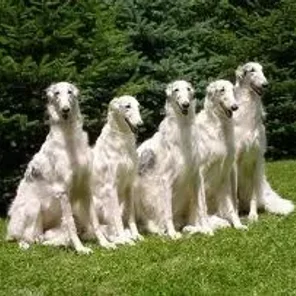
Borzoi
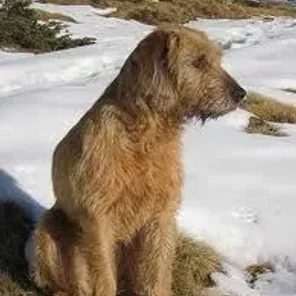
Bosnian Coarse-haired Hound

Boston Terrier
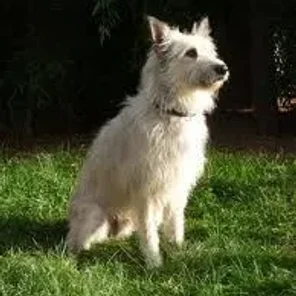
Bouvier des Ardennes
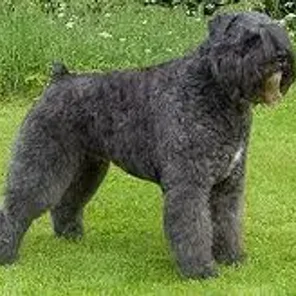
Bouvier des Flandres
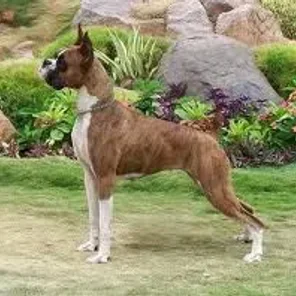
Boxer
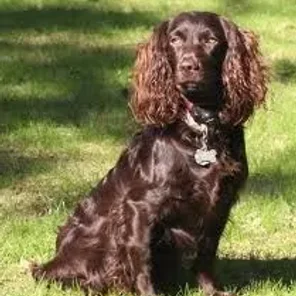
Boykin Spaniel
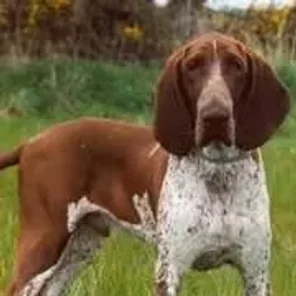
Bracco Italiano

Braque d'Auvergne
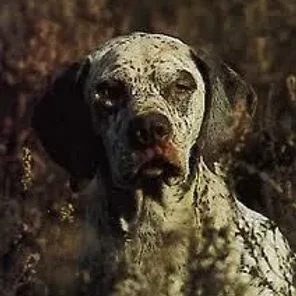
Braque du Bourbonnais
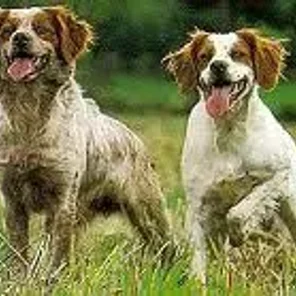
Braque du Puy
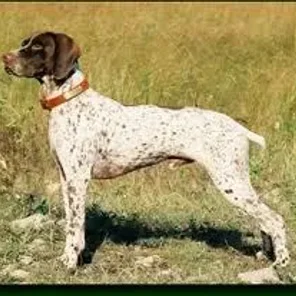
Braque Francais
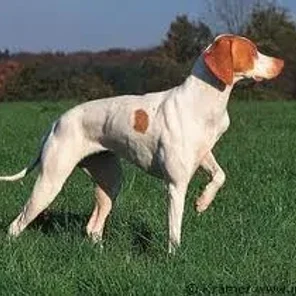
Braque Saint-Germain
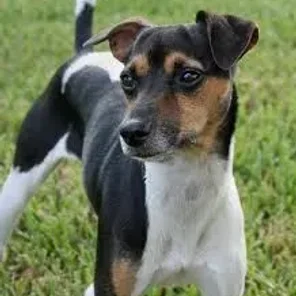
Brazilian Terrier

Briard
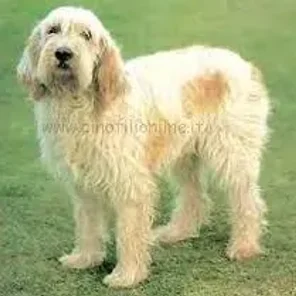
Briquet Griffon Vendéen
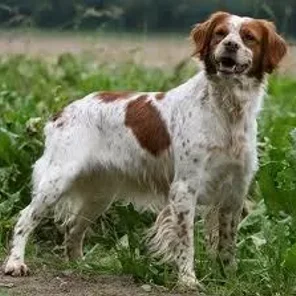
Brittany
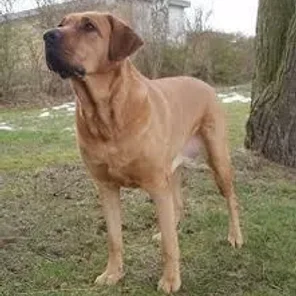
Broholmer
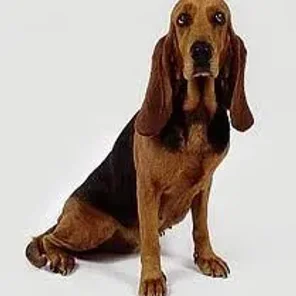
Bruno Jura Hound
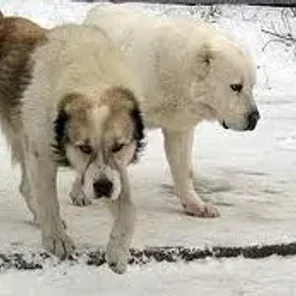
Bucovina Shepherd
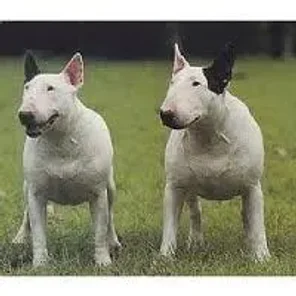
Bull Terrier
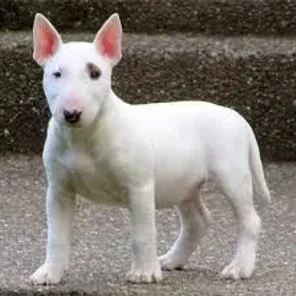
Bull Terrier (Miniature)
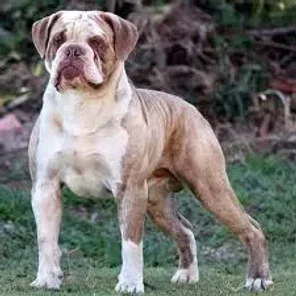
Bulldog Campeiro
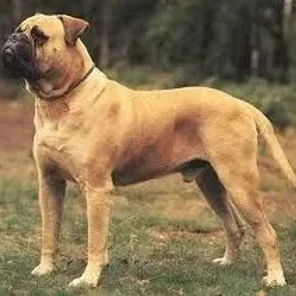
Bullmastiff
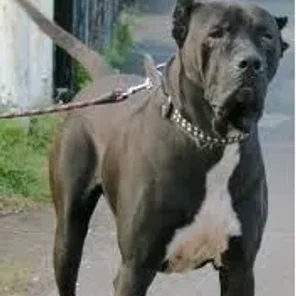
Bully Kutta
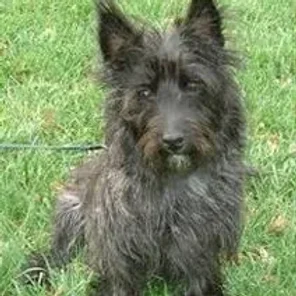
Cairn Terrier
Canaan
Canadian Eskimo
Cane Corso

Cão da Serra de Aires

Cão de Castro Laboreiro
Cão Fila de São Miguel

Cardigan Welsh Corgi
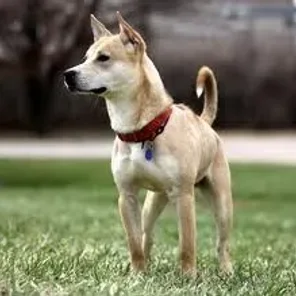
Carolina
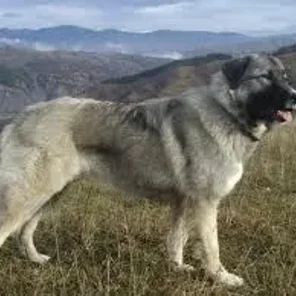
Carpathian Shepherd
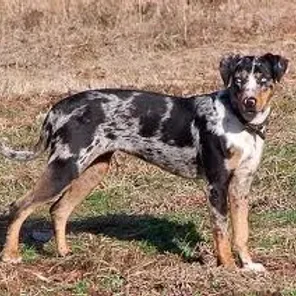
Catahoula Cur
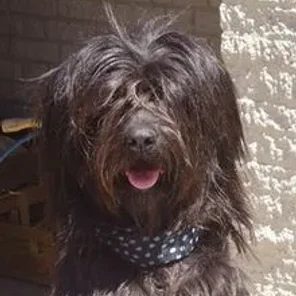
Catalan Sheepdog
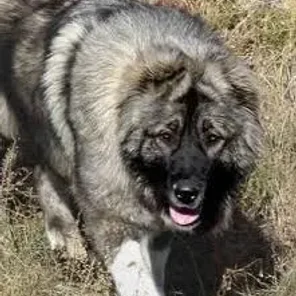
Caucasian Shepherd
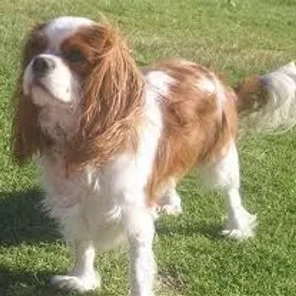
Cavalier King Charles Spaniel
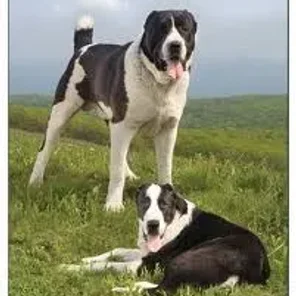
Central Asian Shepherd
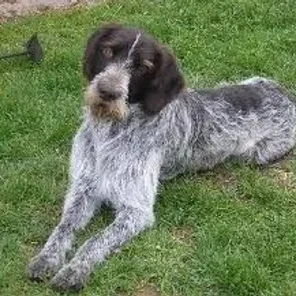
Cesky Fousek
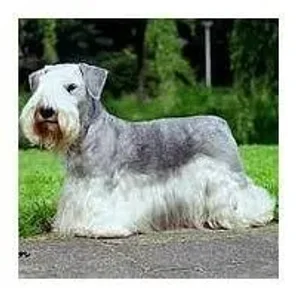
Cesky Terrier
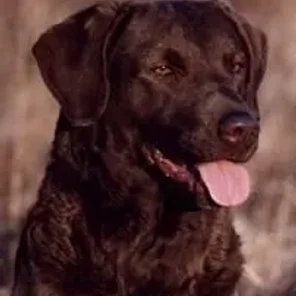
Chesapeake Bay Retriever
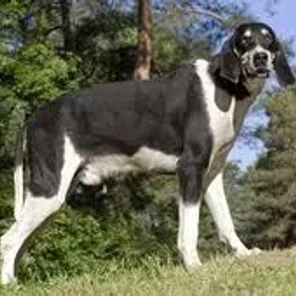
Chien Français Blanc et Noir
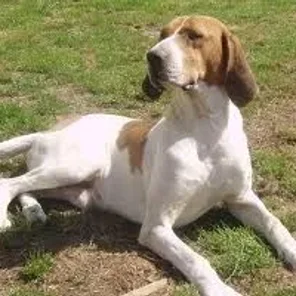
Chien Français Blanc et Orange

Chien Français Tricolore
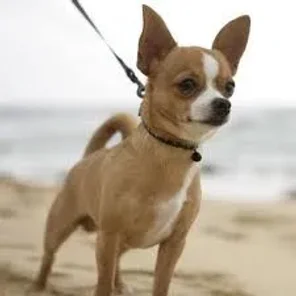
Chihuahua
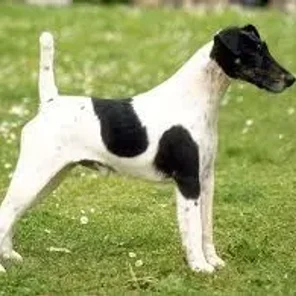
Chilean Fox Terrier
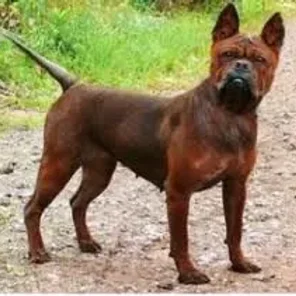
Chinese Chongqing
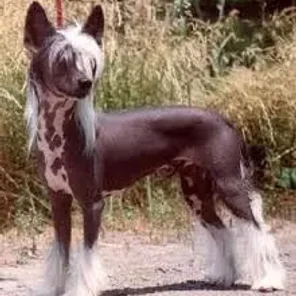
Chinese Crested

Chinese Imperial
Chinook
Chippiparai
Chow Chow
Cierny Sery

Cimarrón Uruguayo
Cirneco dell'Etna
Clumber Spaniel
Cocker Spaniel
Collie
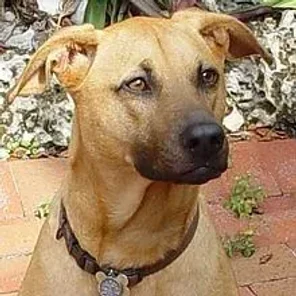
Combai
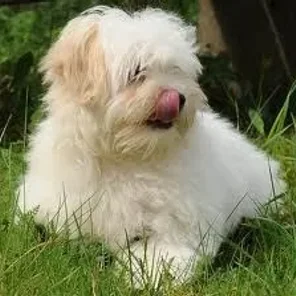
Coton de Tulear
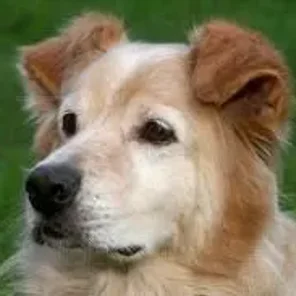
Coydog

Cretan Hound
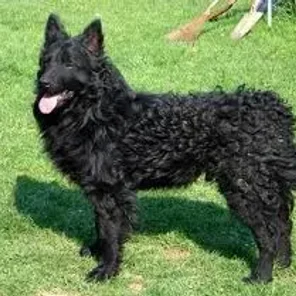
Croatian Sheepdog

Curly Coated Retriever

Cursinu
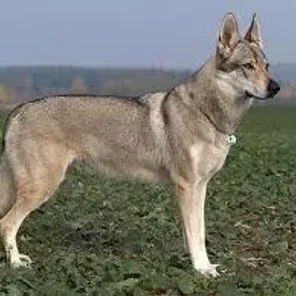
Czechoslovak Wolfdog
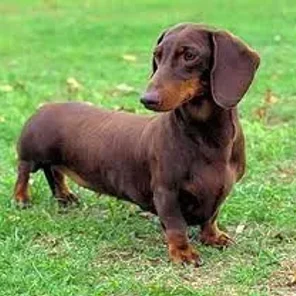
Dachshund
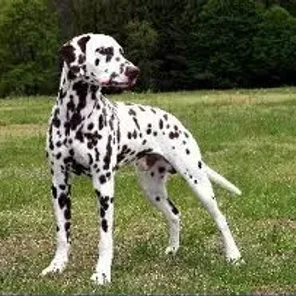
Dalmatian
Dandie Dinmont Terrier
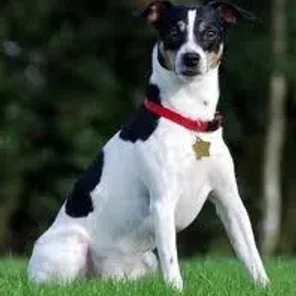
Danish Swedish Farmdog

Deutsche Bracke
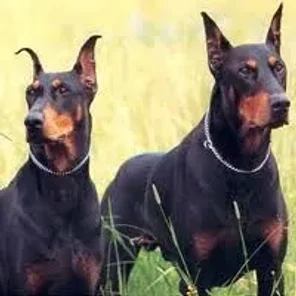
Doberman Pinscher
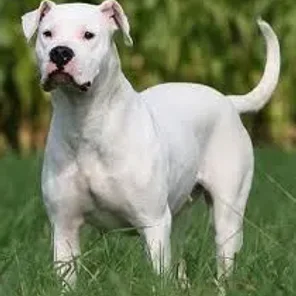
Dogo Argentino

Dogo Guatemalteco
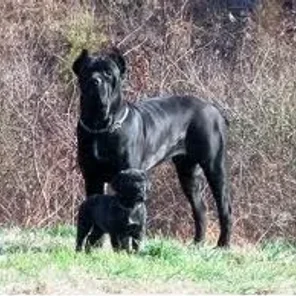
Dogo Sardesco
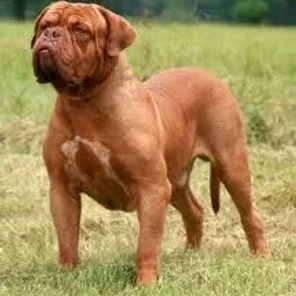
Dogue de Bordeaux
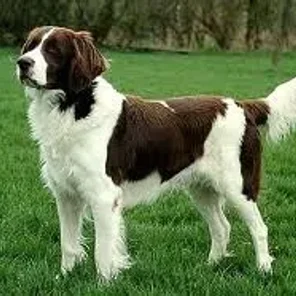
Drentse Patrijshond
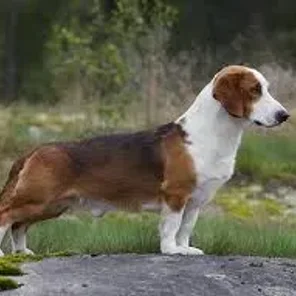
Drever
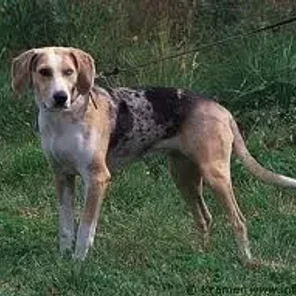
Dunker
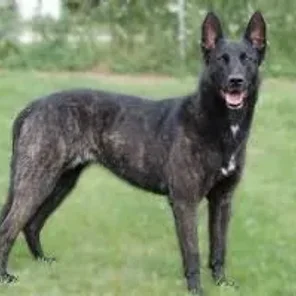
Dutch Shepherd
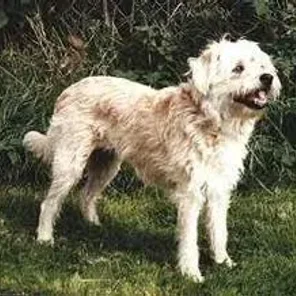
Dutch Smoushond
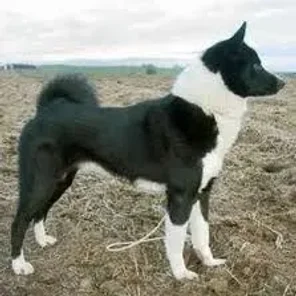
East Siberian Laika
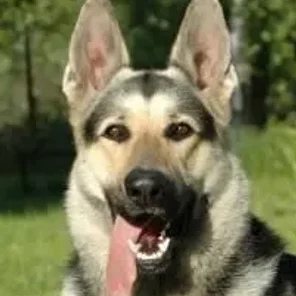
East-European Shepherd
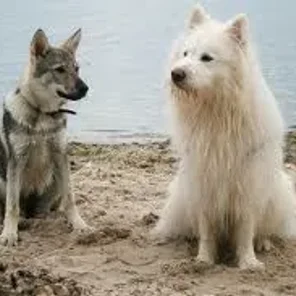
Elo
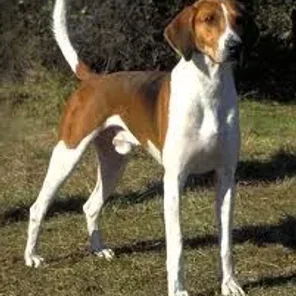
English Coonhound
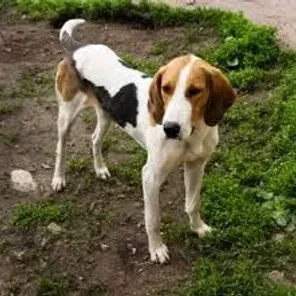
English Foxhound
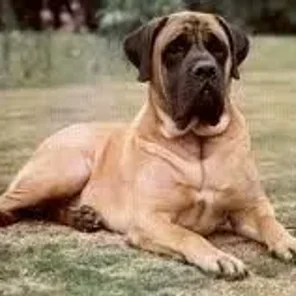
English Mastiff
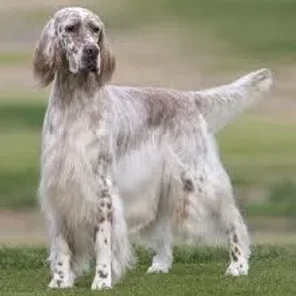
English Setter

English Shepherd
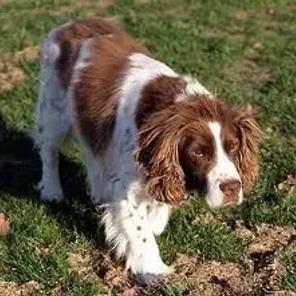
English Springer Spaniel

English Toy Spaniel
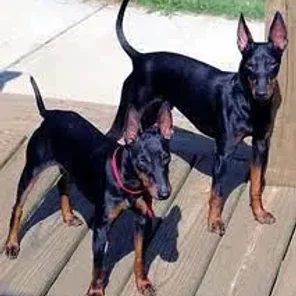
English Toy Terrier (Black & Tan)
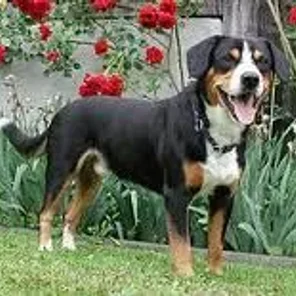
Entlebucher Mountain Dog
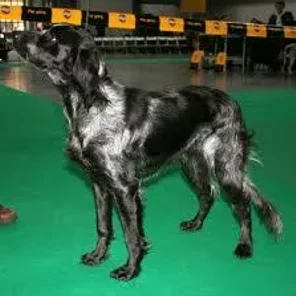
Épagneul Bleu de Picardie
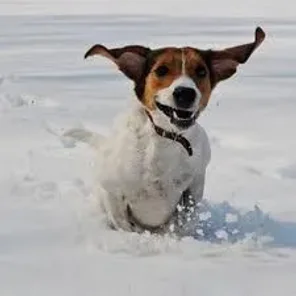
Estonian Hound
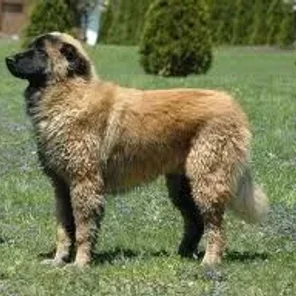
Estrela Mountain
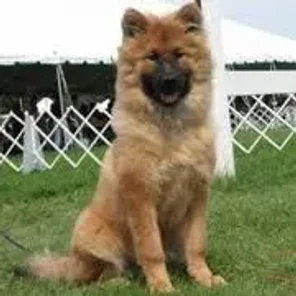
Eurasier
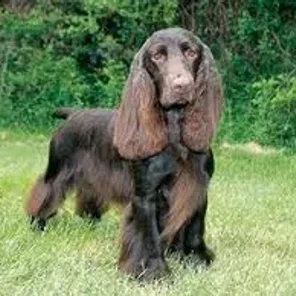
Field Spaniel
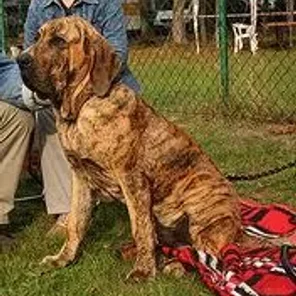
Fila Brasileiro
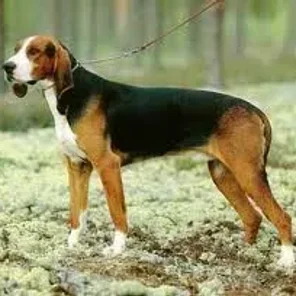
Finnish Hound
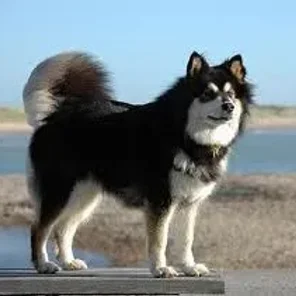
Finnish Lapphund
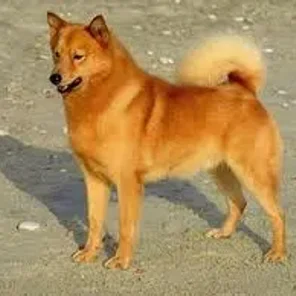
Finnish Spitz

Flat Coated Retriever
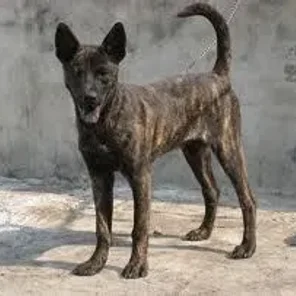
Formosan Mountain Dog
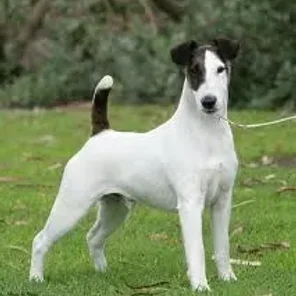
Fox Terrier (Smooth)
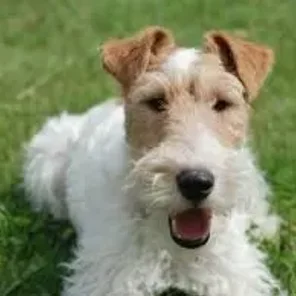
Fox Terrier (Wire)
French Brittany

French Bulldog
French Spaniel
Galgo Espanol
Gascon Saintongeois

German Longhaired Pointer
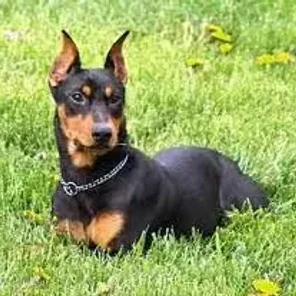
German Pinscher
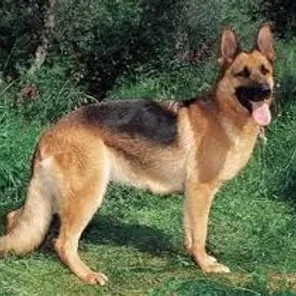
German Shepherd
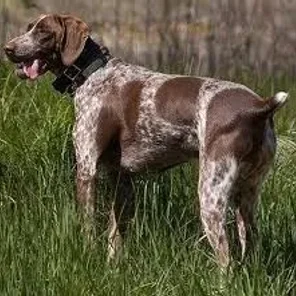
German Shorthaired Pointer

German Spaniel

German Spitz
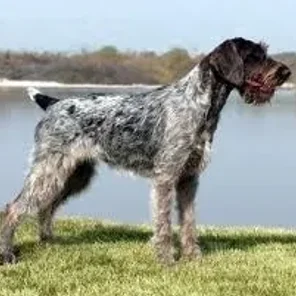
German Wirehaired Pointer
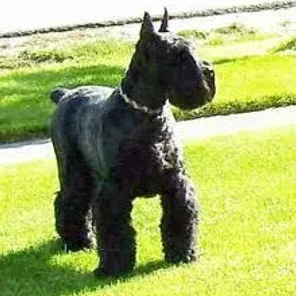
Giant Schnauzer
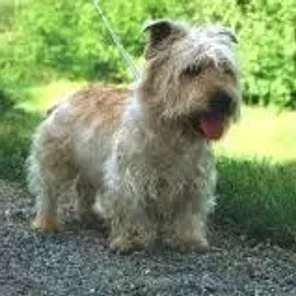
Glen of Imaal Terrier

Golden Retriever
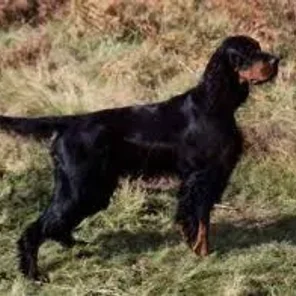
Gordon Setter

Gran Mastín de Borínquen
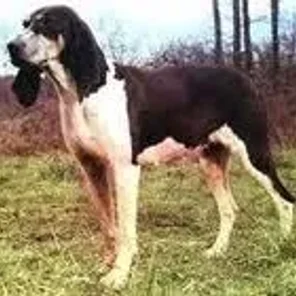
Grand Anglo-Francais Blanc et Noir

Grand Anglo-Francais Blanc et Orange
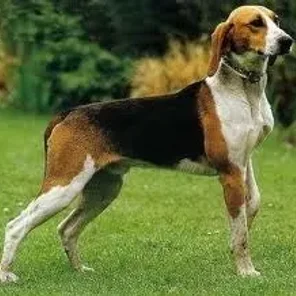
Grand Anglo-Francais Tricolore
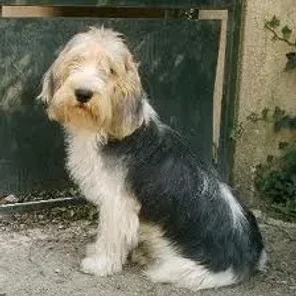
Grand Basset Griffon Vendéen
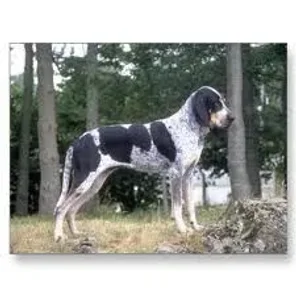
Grand Bleu de Gascogne
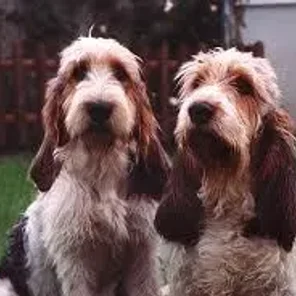
Grand Griffon Vendéen
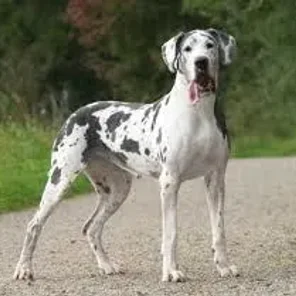
Great Dane
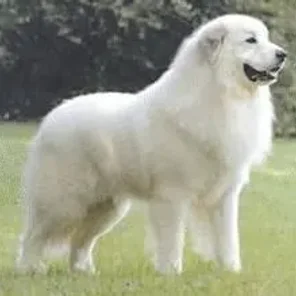
Great Pyrenees
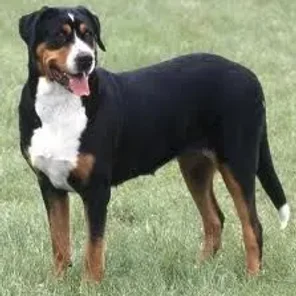
Greater Swiss Mountain Dog
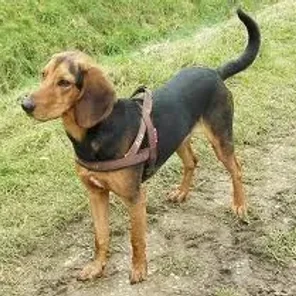
Greek Harehound
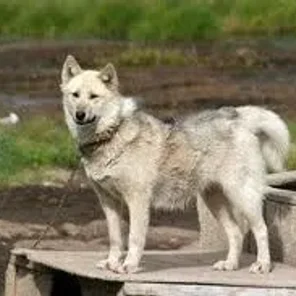
Greenland
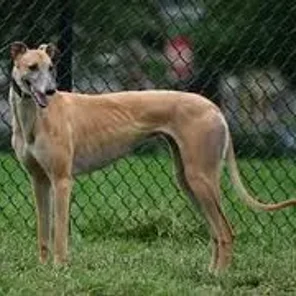
Greyhound
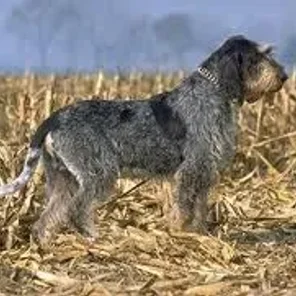
Griffon Bleu de Gascogne
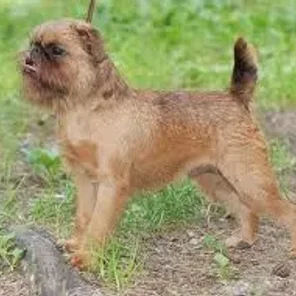
Griffon Bruxellois

Griffon Fauve de Bretagne
Griffon Nivernais
Gull Dong
Gull Terr
Hamiltonstövare

Hanover Hound

Harrier
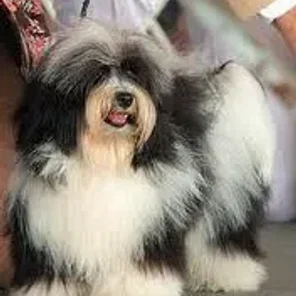
Havanese
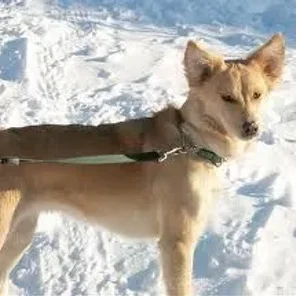
Himalayan Sheepdog
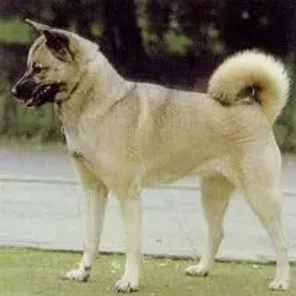
Hokkaido
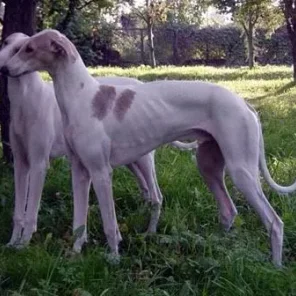
Hortaya Borzaya
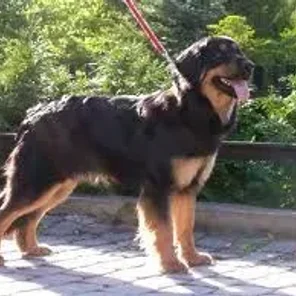
Hovawart
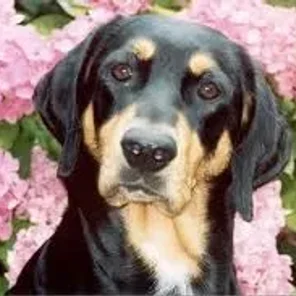
Hungarian Hound
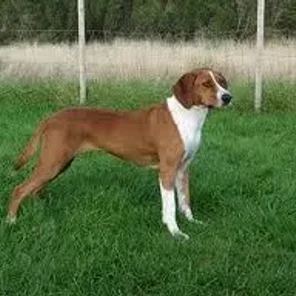
Hygenhund
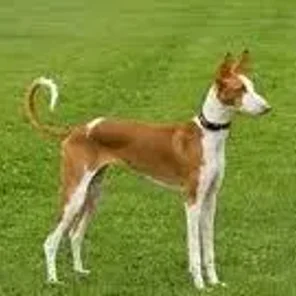
Ibizan Hound
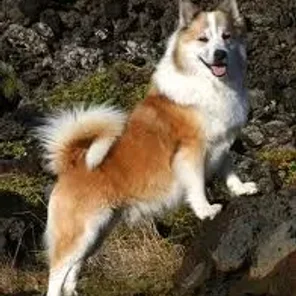
Icelandic Sheepdog

Indian Spitz
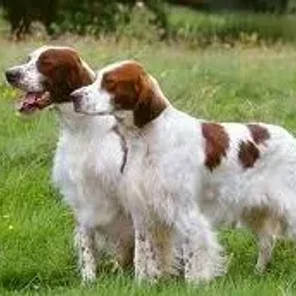
Irish Red and White Setter
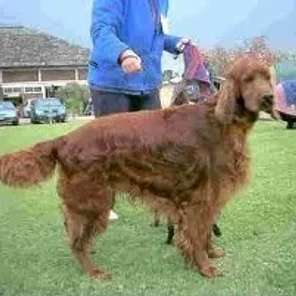
Irish Setter
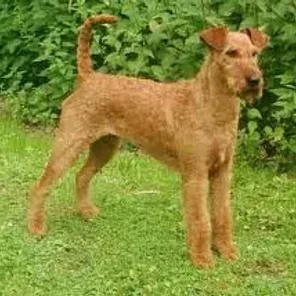
Irish Terrier
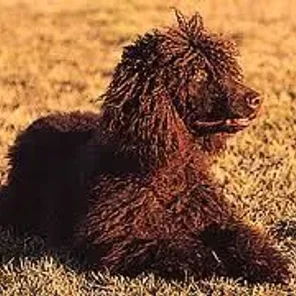
Irish Water Spaniel
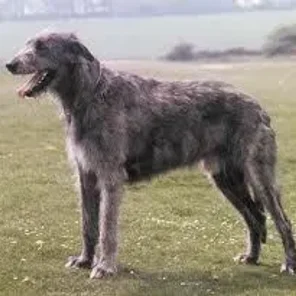
Irish Wolfhound
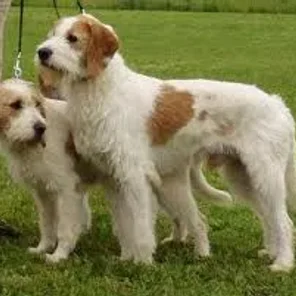
Istrian Coarse-haired Hound
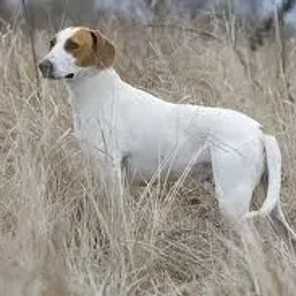
Istrian Shorthaired Hound
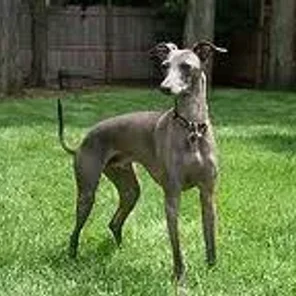
Italian Greyhound

Jack Russell Terrier

Jagdterrier
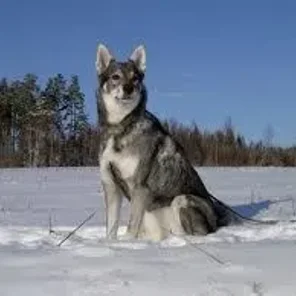
Jämthund

Japanese Chin
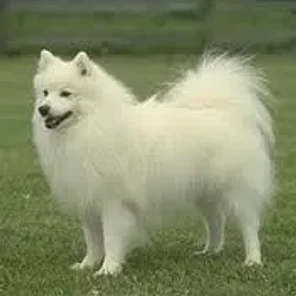
Japanese Spitz
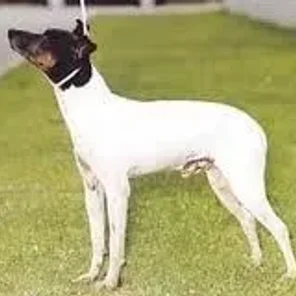
Japanese Terrier
Jonangi
Kai Ken
Kaikadi

Kangal

Kanni
Karakachan
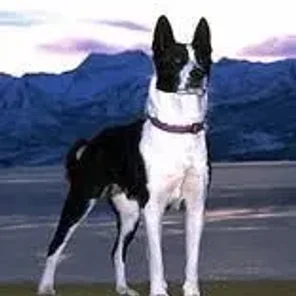
Karelian Bear Dog
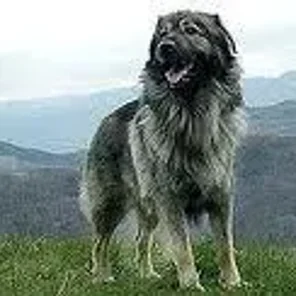
Karst Shepherd
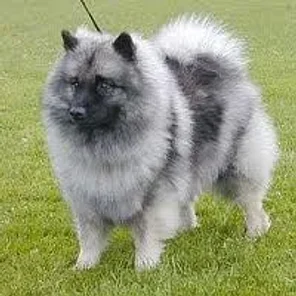
Keeshond
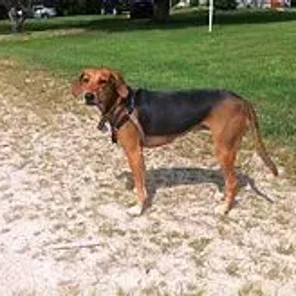
Kerry Beagle
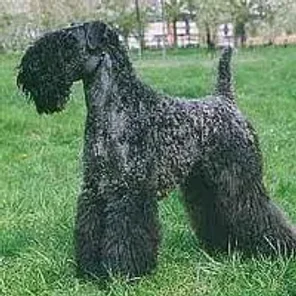
Kerry Blue Terrier
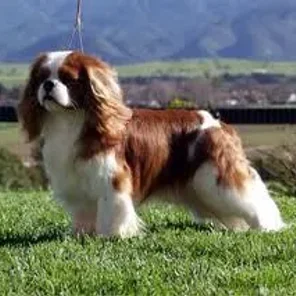
King Charles Spaniel
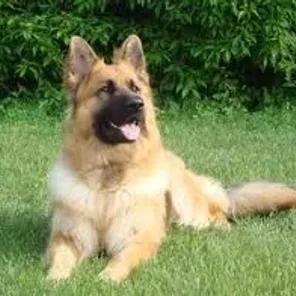
King Shepherd

Kintamani

Kishu
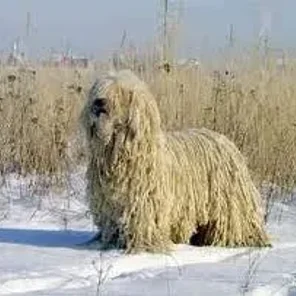
Komondor
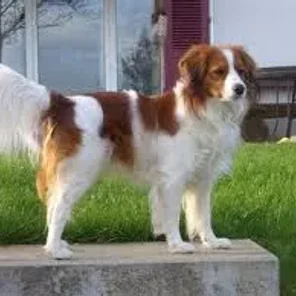
Kooikerhondje
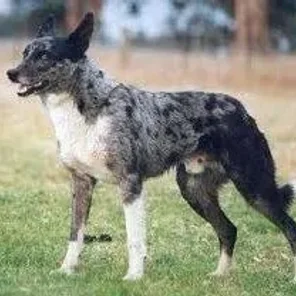
Koolie
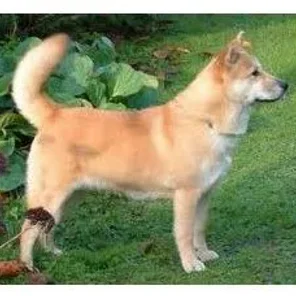
Korean Jindo
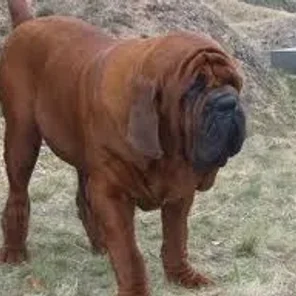
Korean Mastiff

Kromfohrländer
Kunming Wolfdog
Kuvasz
Kyi-Leo
Labrador Husky

Labrador Retriever
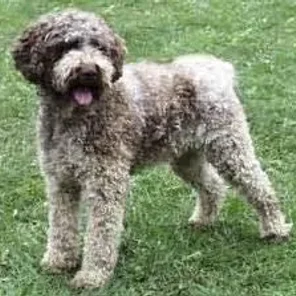
Lagotto Romagnolo
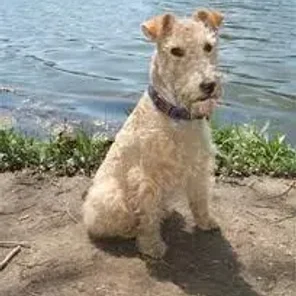
Lakeland Terrier

Lancashire Heeler
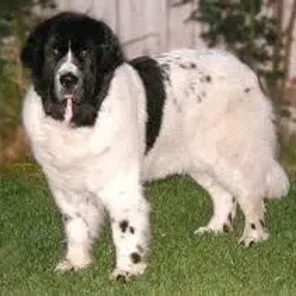
Landseer
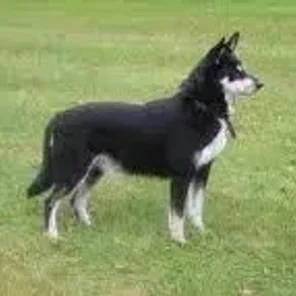
Lapponian Herder
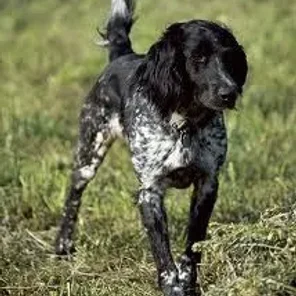
Large Münsterländer
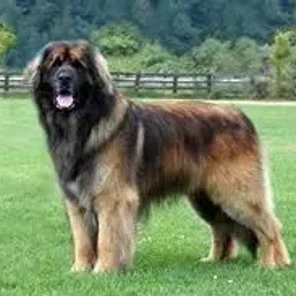
Leonberger
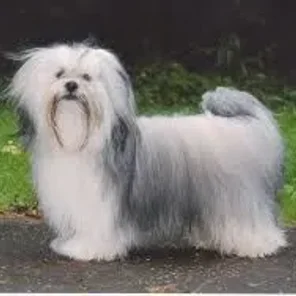
Lhasa Apso
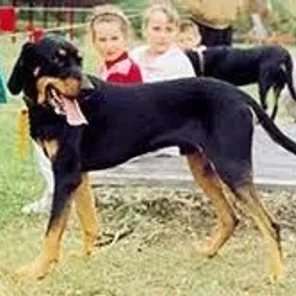
Lithuanian Hound

Longhaired Whippet
Löwchen
Magyar Agár

Maltese
Manchester Terrier
Maremma Sheepdog
McNab
Mexican Hairless
Miniature Australian Shepherd
Miniature Fox Terrier

Miniature Pinscher
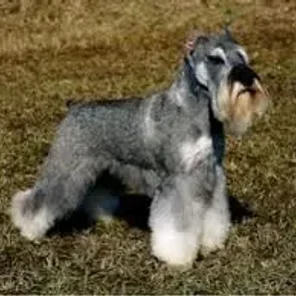
Miniature Schnauzer
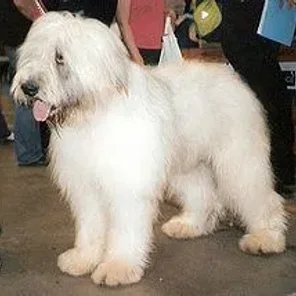
Mioritic
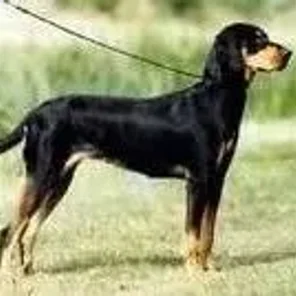
Montenegrin Mountain Hound
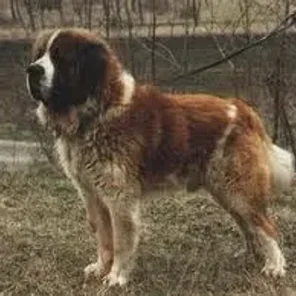
Moscow Watchdog

Mountain Cur
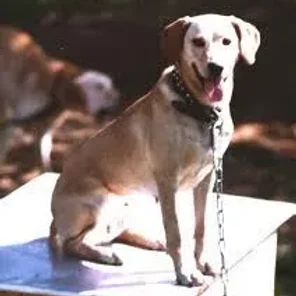
Mountain View Cur
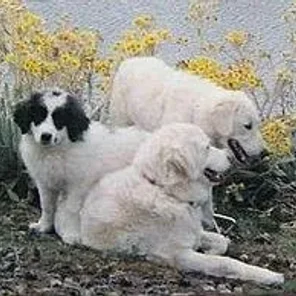
Mucuchies

Mudhol Hound
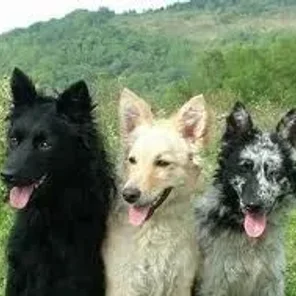
Mudi
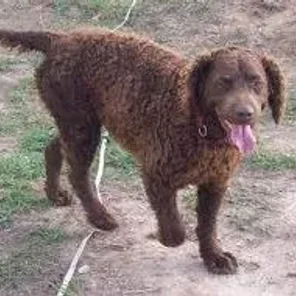
Murray River Curly Coated Retriever
Native American Indian Dog
Neapolitan Mastiff

New Zealand Huntaway
Newfoundland
Norfolk Terrier

Norrbottenspets
Northern Inuit
Norwegian Buhund
Norwegian Elkhound
Norwegian Lundehund

Norwich Terrier
Nova Scotia Duck-Tolling Retriever
Old Danish Pointer
Old English Sheepdog
Old English Terrier
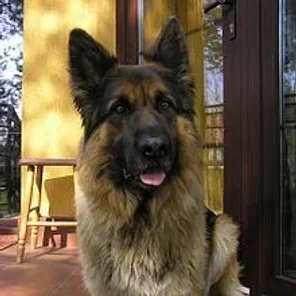
Old German Shepherd
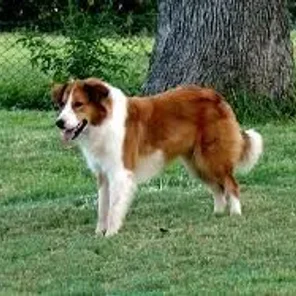
Old Time Farm Shepherd

Olde English Bulldogge
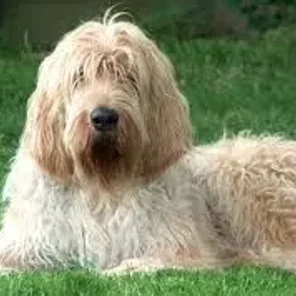
Otterhound

Pachon Navarro

Papillon
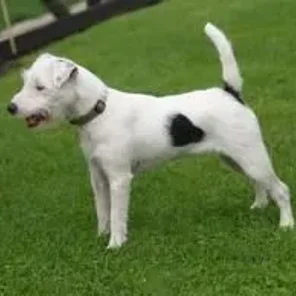
Parson Russell Terrier
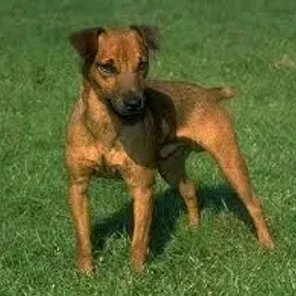
Patterdale Terrier
Pekingese
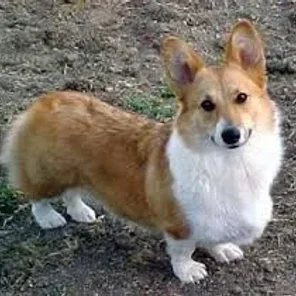
Pembroke Welsh Corgi
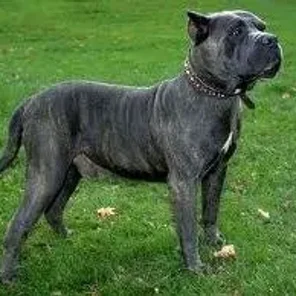
Perro de Presa Canario
Perro de Presa Mallorquin
Peruvian Hairless
Petit Basset Griffon Vendéen
Petit Bleu de Gascogne

Phalène

Pharaoh Hound
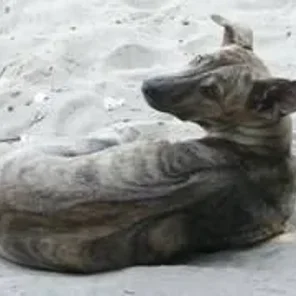
Phu Quoc ridgeback
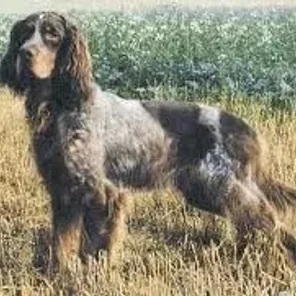
Picardy Spaniel
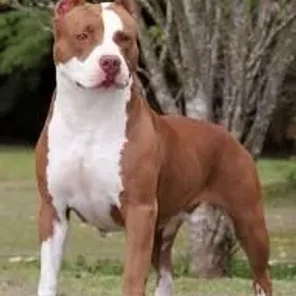
Pit Bull Terrier

Plott Hound
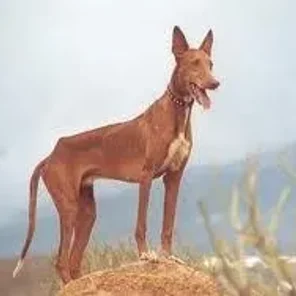
Podenco Canario
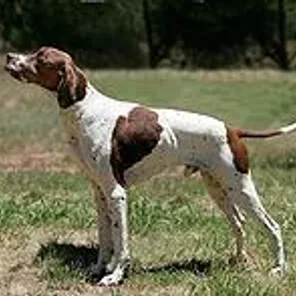
Pointer
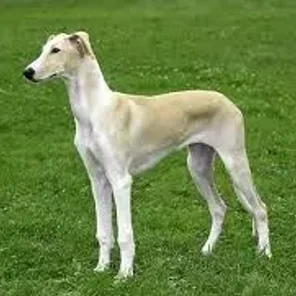
Polish Greyhound
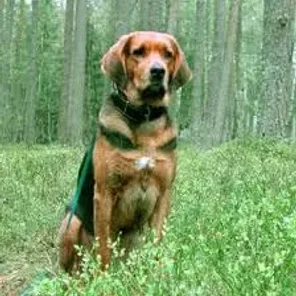
Polish Hound

Polish Hunting
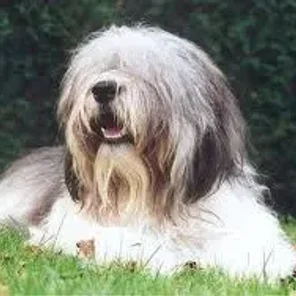
Polish Lowland Sheepdog
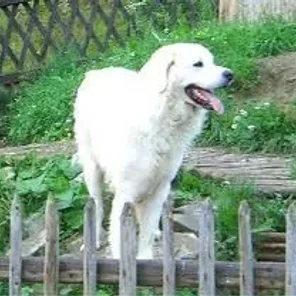
Polish Tatra Sheepdog
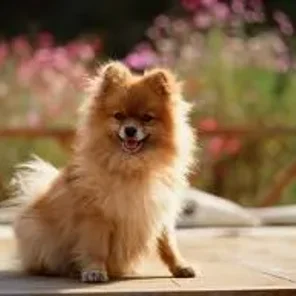
Pomeranian
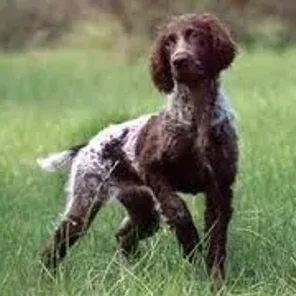
Pont-Audemer Spaniel
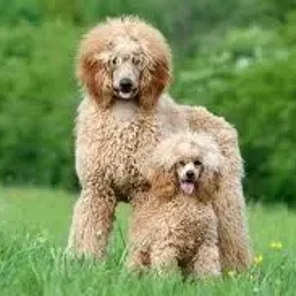
Poodle

Porcelaine

Portuguese Podengo
Portuguese Pointer
Portuguese Water Dog
Posavac Hound
Pražský Krysarík
Pudelpointer
Pug
Puli
Pumi

Pungsan
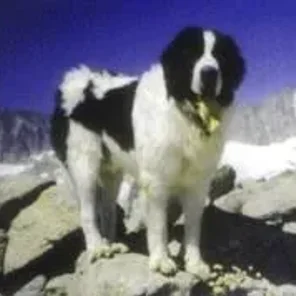
Pyrenean Mastiff
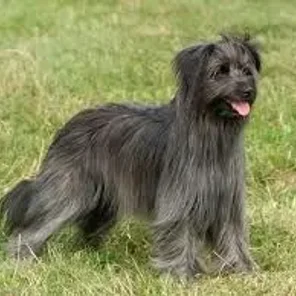
Pyrenean Shepherd
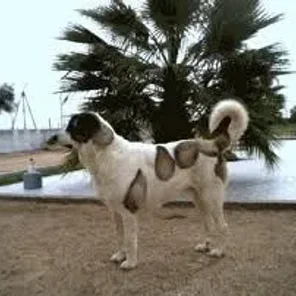
Rafeiro do Alentejo

Rajapalayam

Rampur Greyhound
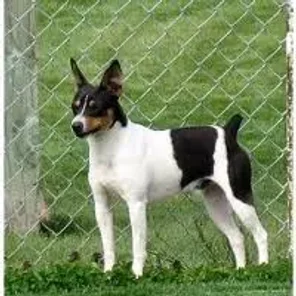
Rat Terrier
Ratonero Bodeguero Andaluz

Redbone Coonhound
Rhodesian Ridgeback
Rottweiler
Rough Collie

Russian Spaniel

Russian Toy
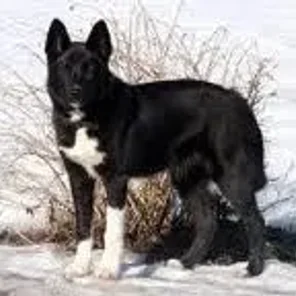
Russo-European Laika
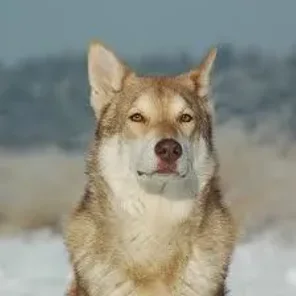
Saarlooswolfhond
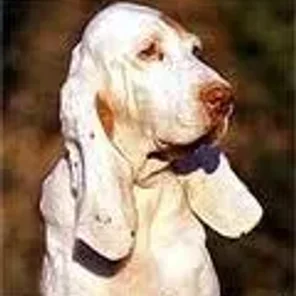
Sabueso Español
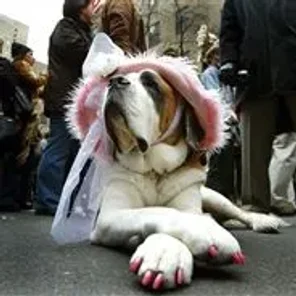
Saint Bernard
Saint-Usuge Spaniel
Sakhalin Husky

Saluki

Samoyed
Sapsali
Sarplaninac

Schapendoes

Schillerstövare
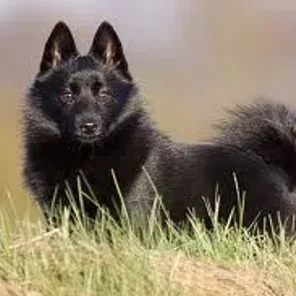
Schipperke
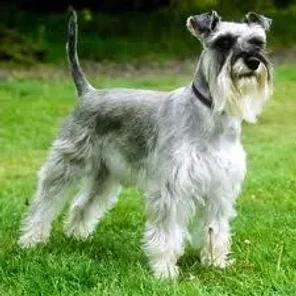
Schnauzer
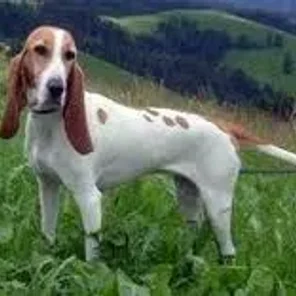
Schweizer Laufhund

Schweizerischer Niederlaufhund
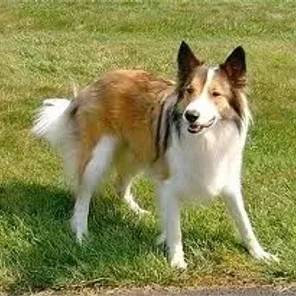
Scotch Collie
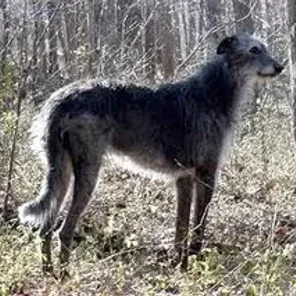
Scottish Deerhound
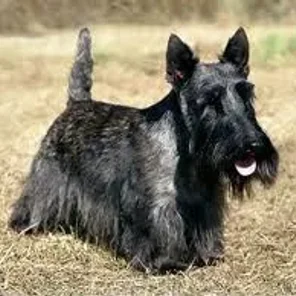
Scottish Terrier
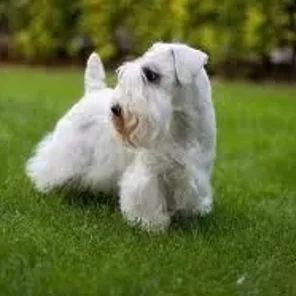
Sealyham Terrier
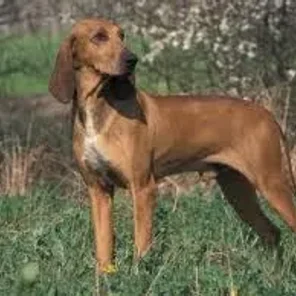
Segugio Italiano

Seppala Siberian Sleddog

Serbian Hound
Serbian Tricolour Hound
Shar Pei
Shetland Sheepdog
Shiba Inu

Shih Tzu
Shikoku
Shiloh Shepherd
Siberian Husky

Silken Windhound
Silky Terrier

Sinhala Hound
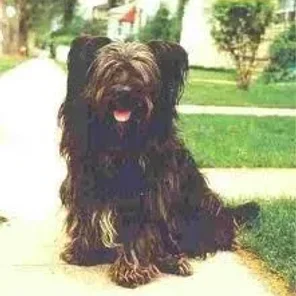
Skye Terrier
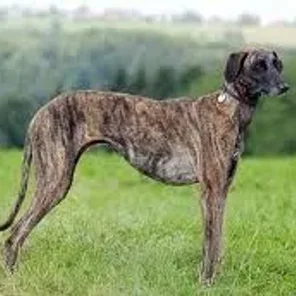
Sloughi

Slovak Cuvac
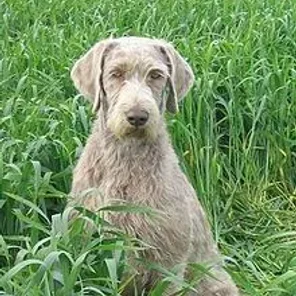
Slovakian Rough-haired Pointer
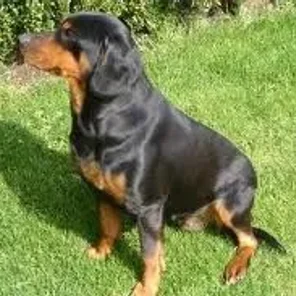
Slovenský Kopov
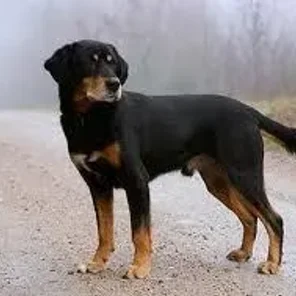
Smålandsstövare
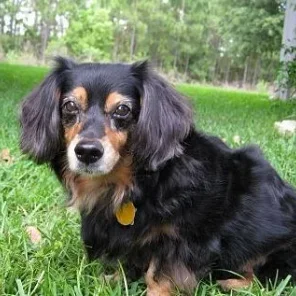
Small Greek Domestic
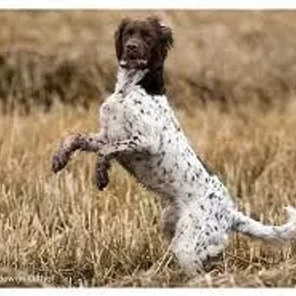
Small Münsterländer

Smooth Collie
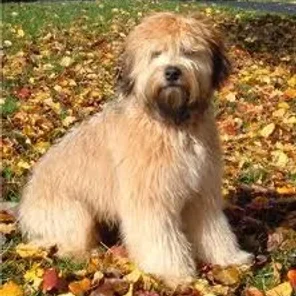
Soft-Coated Wheaten Terrier
South Russian Ovcharka

Spanish Mastiff
Spanish Water Dog
Spinone Italiano

Sporting Lucas Terrier
Stabyhoun

Staffordshire Bull Terrier
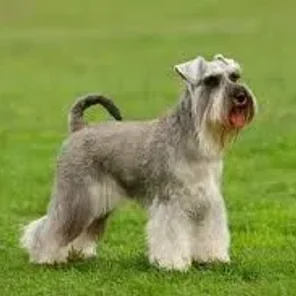
Standard Schnauzer
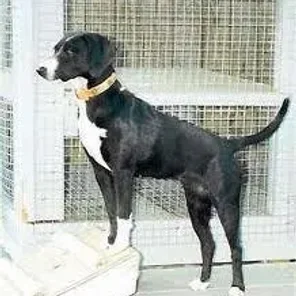
Stephens Cur

Styrian Coarse-haired Hound
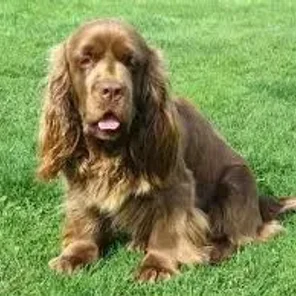
Sussex Spaniel
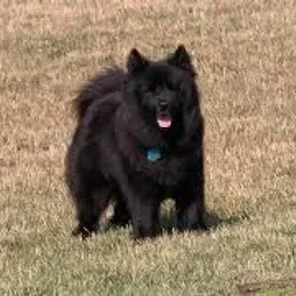
Swedish Lapphund
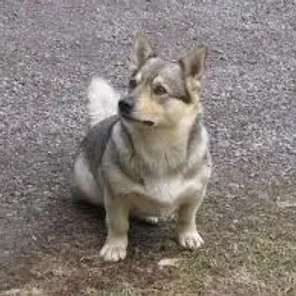
Swedish Vallhund
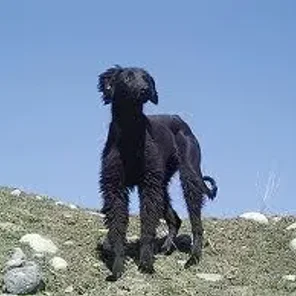
Taigan
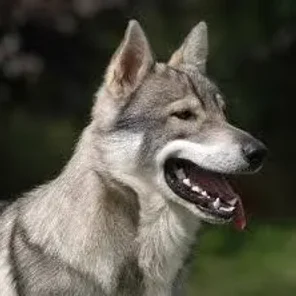
Tamaskan

Teddy Roosevelt Terrier
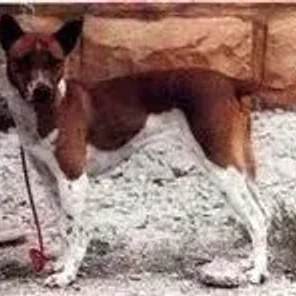
Telomian
Tennessee Treeing Brindle

Tenterfield Terrier
Thai Bangkaew
Thai Ridgeback
Tibetan Mastiff
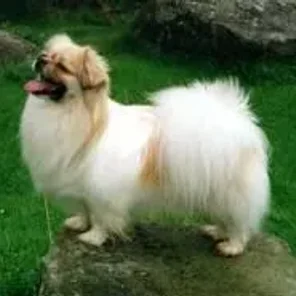
Tibetan Spaniel
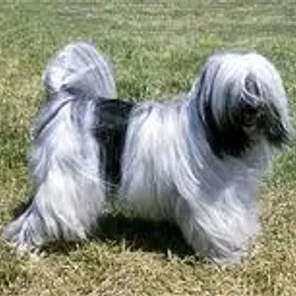
Tibetan Terrier

Tornjak
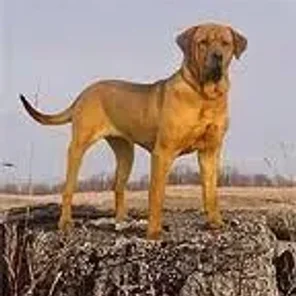
Tosa
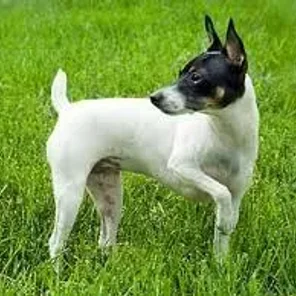
Toy Fox Terrier
Toy Manchester Terrier
Transylvanian Hound

Treeing Walker Coonhound
Trigg Hound
Tyrolean Hound
Utonagan
Vizsla
Volpino Italiano
Weimaraner
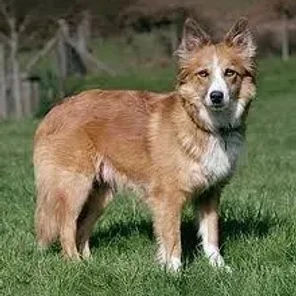
Welsh Sheepdog
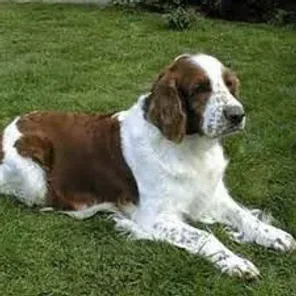
Welsh Springer Spaniel
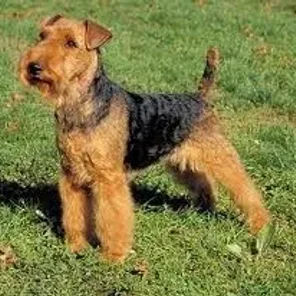
Welsh Terrier
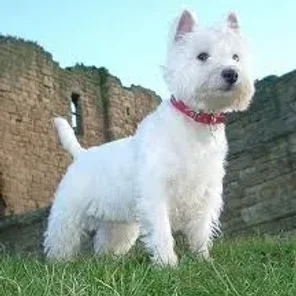
West Highland White Terrier
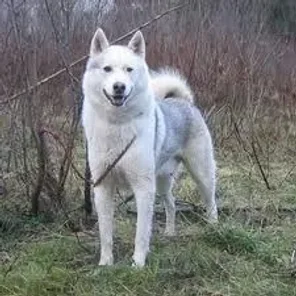
West Siberian Laika
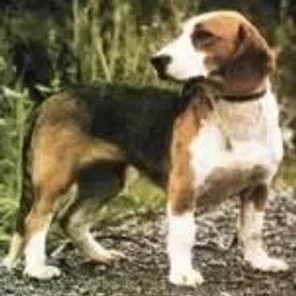
Westphalian Dachsbracke
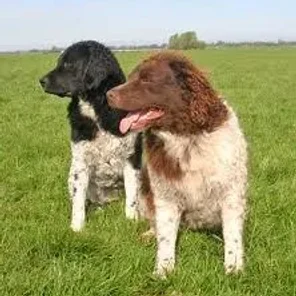
Wetterhoun
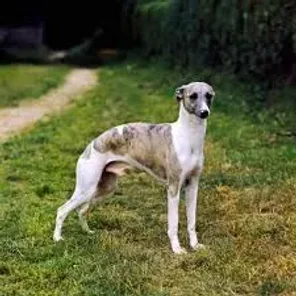
Whippet

White English Bulldog
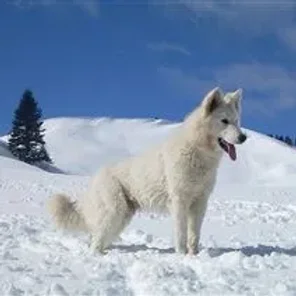
White Shepherd
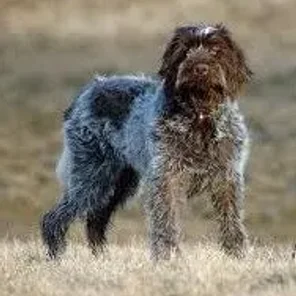
Wirehaired Pointing Griffon

Wirehaired Vizsla
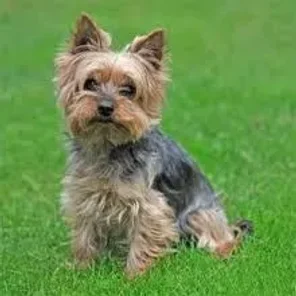
Yorkshire Terrier