
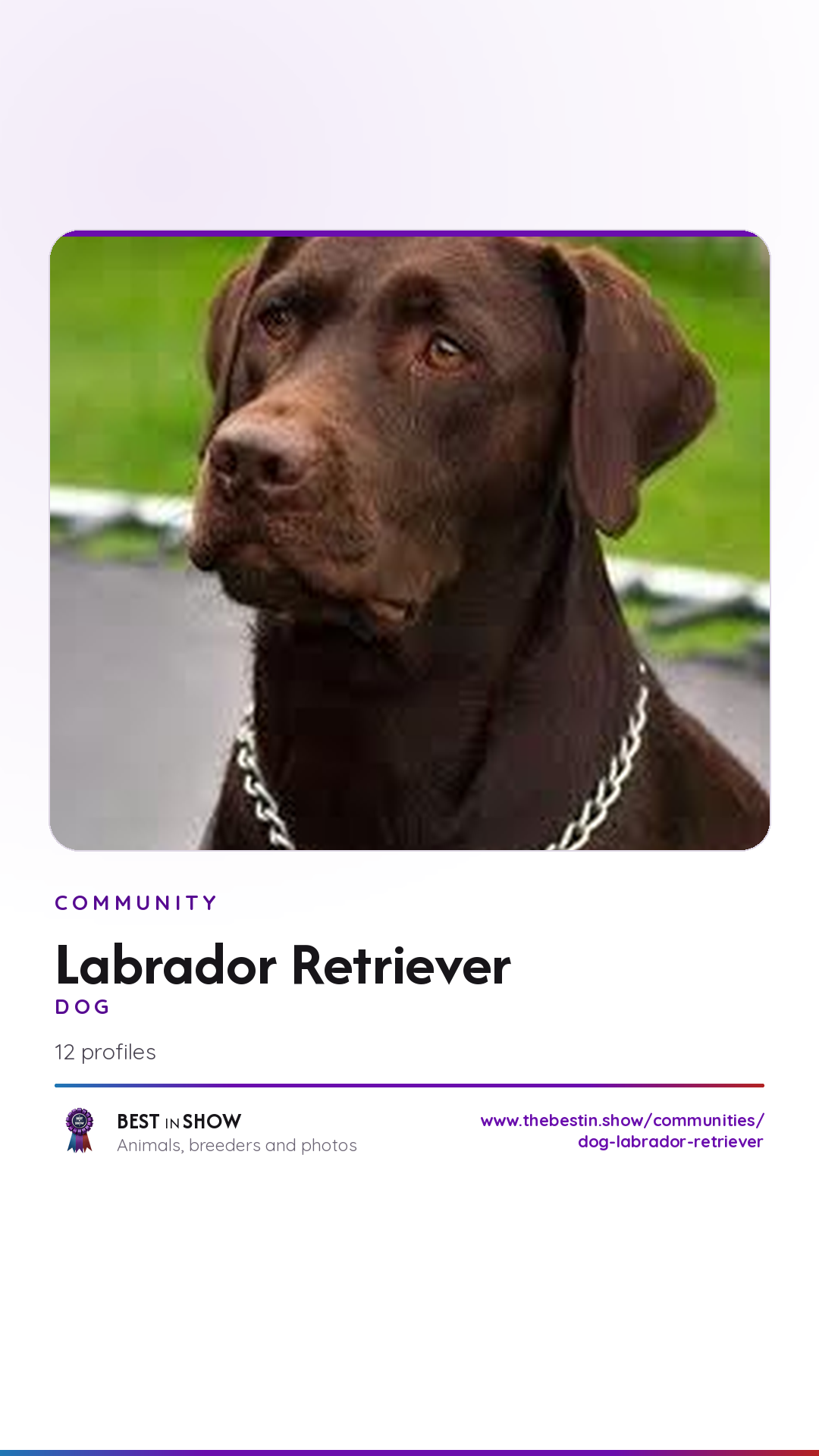
About Labrador Retriever
The Labrador Retriever (also Labrador, or Lab for short) is one of several kinds of retriever, a type of gun dog. A breed characteristic is webbed paws for swimming, useful for the breed's original purpose of retrieving fishing nets. <br /> <br />Good-looking, smart and fun-loving, the Lab has a a lot going for him. He’s large, but not too large, he’s calm and easygoing when he’s not exuberantly fetching a tennis ball or a bird. He’s a do-it-all kind of dog. <br /> <br />The Labrador Retriever has consistently ranked as the most popular purebred dog in the United States for more than 10 years, according to the American Kennel Club. The AKC registers more than a hundred thousand new Labrador Retrievers each year, but when you take into account all the Labs never registered at all, or registered with another organization such as the United Kennel Club, the popularity of this stable, family-friendly dog is truly staggering. <br /> <br />A Labrador Retriever has the kind of versatility that other dogs only dream of. He can be a companion, show dog, hunting dog, canine athlete, guide dog, service dog, sniffer dog, search and rescue dog, and therapy dog. He enjoys jogging (health permitting), boating, swimming, hiking and more. If it’s active, outdoors and with his people, the Lab is ready and willing to participate in any activity. <br /> <br />All of those characteristics make the Labrador well-suited to a variety of active families. He’s perfect for homes with rowdy older children, but may be a little rambunctious around toddlers, especially as a puppy or young dog. Singles and couples who love the outdoors also match up well with this breed, and his size and even temperament make the Labrador a great companion for active seniors who love to walk and would appreciate a dog who looks intimidating, even if he is more of a lover than a fighter. <br /> <br />With adequate exercise, these versatile companions can handle anything from a small city apartment to a vast ranch. What they can’t handle is isolation: if you get a Lab, make him a member of your family, not an outdoor dog. <br /> <br />A nice Lab puppy can usually be purchased for $700 to $1,500. For this price you should expect the puppies to have been raised in a clean environment, from parents with health clearances and show or field championships to prove that they are good specimens of the breed. Puppies have been temperament tested, vetted, dewormed, and socialized to give them a healthy, confident start in life. <br /> <br />Other Quick Facts <br />The Lab’s short, weather-resistant coat and muscular body are the perfect equipment for outdoor activities like hiking, camping and water sports. <br />Labs are active dogs who need daily exercise and mental stimulation. Without it they can become bored and destructive. Provide them with the attention, training and activity they need or suffer the consequences. <br />Labs come in three colors: black, yellow and chocolate. <br />The Lab has a double coat — a soft, insulating undercoat topped with a short, hard, protective outer layer. Labs shed heavily, and brushing them once or twice a week will help keep the fur from flying. <br />Labs typically have litters of six to eight puppies. Most breeders like to keep puppies until they are at least eight weeks old. This gives the puppies time to learn how to behave toward other dogs and gives the breeder time to evaluate the puppies’ personalities so she can place each one in just the right home. A bonus is that puppies of this age are more mature and more easily housetrained. <br /> <br />The History of Labrador Retrievers <br />You might think that the Labrador is a native of the rugged Canadian province of the same name, but that’s not necessarily the case. He was first known as the lesser Newfoundland — probably to distinguish him from the giant breed known as the Newfoundland — the St. John’s Newfoundland or the St. John’s dog. <br /> <br />Experts have a couple of different theories about how the breed came to be called the Labrador. One is that the name is borrowed from the Spanish word for laborer — labrador — which is certainly a fitting description, or that the breed is related to the dogs that accompanied Portuguese fishermen who trawled the Grand Banks off the coast of Labrador and its neighbor Newfoundland. Those dogs, known as cani di castro laboreiro, performed such tasks as retrieving items from the water, including fish-laden nets, and swimming messages from boat to boat. Sounds like a Lab, all right. <br /> <br />Whatever they were called, the dogs were known for their keen sense of smell, ability to find downed birds, and speed. British visitors to Newfoundland appreciated the dogs’ abilities and brought them back to England. There, they caught the eye of the Earl of Malmesbury, who acquired some of the water-loving dogs to hunt the swamplands surrounding his estate. The Earl’s son began breeding the dogs and it was he who gave them the name Labrador. The Kennel Club in England made the breed official in 1903. <br /> <br />Labs made their way back to North America in the early 20 th century, imported by American sportsmen who admired their adaptability and work ethic. Since then, the breed’s popularity has gone up, up, up. In 1997, a chocolate Lab pup named Buddy became the first Labrador Retriever to make the White House his home. <br /> <br />The modern Labrador Retriever is an easy-going, easy-to-train dog who comes in three colors: black, yellow and chocolate. He also comes in three different body types, depending on his background and purpose. <br /> <br />Labrador Personality and Temperament <br />The Labrador breed standard says that temperament is as much a hallmark of the breed as the “otter tail.” The ideal Labrador is kindly, outgoing and tractable, eager to please, and tends not to be aggressive toward people or other animals. <br /> <br />Those traits are the foundation of the Lab’s personality, but each dog puts his own spin on them. Some are serious, some are clowns, some are reserved, some never meet a stranger. You might hear that Lab personalities vary by color, but it’s more likely that a dog’s temperament is affected by the breeder’s goals. Labs from breeders who produce top-winning field-trial dogs are more demanding when it comes to exercise and training. They are unsuited to lying around the house all day while everyone is at work or school. More laid back Labs typically come from a breeder who shows dogs in conformation. <br /> <br />Before the age of two or three, many Labradors can be extremely active and destructive despite their breed reputation for calm dispositions. It's in their extended adolescence that many Labradors find appeal in swallowing rocks, socks and Barbie dolls, all of which -- and more -- have been surgically removed from these dogs. <br /> <br />Start training early; be patient and be consistent and one day you will wake up to find that you live with a great dog. Even so, there are a couple of Lab behaviors that you should expect to live with throughout his life. They are part and parcel of being a Lab, and nothing you do will change them. Labs are active, Labs love to get wet, and Labs love to eat. <br /> <br />Labs are active, unless they’re sleeping. It was probably a Lab who inspired the saying “A tired dog is a good dog.” Joint and overall health permitting, be prepared to give a Lab a couple of half-hour walks or runs daily to meet his exercise needs. The best part about having a Lab is that there are any number of fun ways you can provide him with physical activity and mental stimulation. Take him swimming, teach him to run alongside your bike once he is physically mature at 18 to 24 months of age, go hiking, make him the first mate on your boat, or get involved in dog sports such as agility, obedience, rally, tracking, flyball, freestyle — you name it, a Lab has probably done it. However, it's always a good idea to check with your vet before starting a new exercise program with your dog. <br /> <br />If you give him an outlet for his energy, a Lab will be the best dog you could ever have. If you don’t, you’ll be spending all your time and energy repairing holes in the wall, filling in holes in your yard, replacing chewed-up furniture and worse. Not because your Lab is a bad dog but simply because he has found his own special ways to entertain himself. Don’t give him the chance. <br /> <br />Labs love water -- any body of water puddle-sized or larger will attract a Labrador, and mud is considered a fashion accessory. The short, drip-dry coat of the Lab sheds water and dirt easily, but that’s of little consolation if the debris lands on white carpeting. <br /> <br />Labs love to eat, and they will try to eat anything. They are professional countersurfers, and they will eat anything that looks like it might be food. If nothing else, living with a Lab will teach you, your spouse and your kids to put things away if they don’t want them to be chewed up or eaten. Veterinarians call these dogs “Flabradors” because obesity is common once they hit their middle-age mellowing out stage. A measured diet, good supervision and plenty of exercise are a must to keep these happy retrievers healthy and out of trouble. <br /> <br />Labs are smart and highly trainable, but they don’t just magically turn into great dogs. Any dog, no matter how nice, can develop obnoxious levels of barking, digging, countersurfing and other undesirable behaviors if he is bored, untrained or unsupervised. And any dog can be a trial to live with during adolescence. In the case of the Lab, the “teen” years can start at six months and continue until the dog is about three years old. <br /> <br />Talk to the breeder, describe exactly what you’re looking for in a dog, and ask for assistance in selecting a puppy. Breeders see the puppies daily and can make uncannily accurate recommendations once they know something about your lifestyle and personality. <br /> <br />The perfect Lab doesn’t spring fully formed from the whelping box. He’s a product of his background and breeding. Whatever you want from a Lab, look for one whose parents have nice personalities and who has been well socialized from early puppyhood. <br /> <br />http://en.wikipedia.org/wiki/Labrador_Retriever
Recently added Labrador Retriever profiles
See all


Photos
See all





Articles about Labrador Retriever
See all


Subtypes
See all





Related breeds
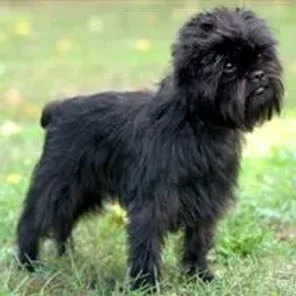
Affenpinscher
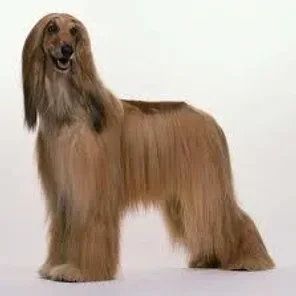
Afghan Hound
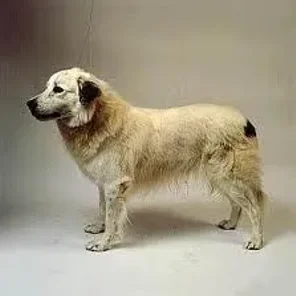
Aidi
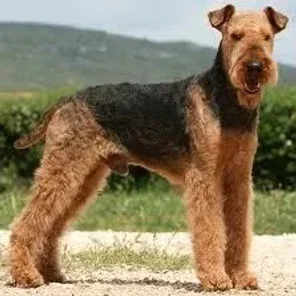
Airedale Terrier
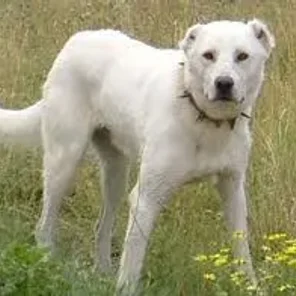
Akbash
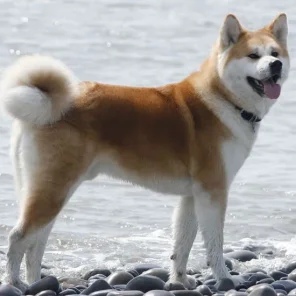
Akita Inu
Alano Español
Alapaha Blue Blood Bulldog
Alaskan Klee Kai
Alaskan Malamute
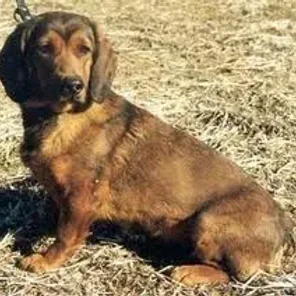
Alpine Dachsbracke
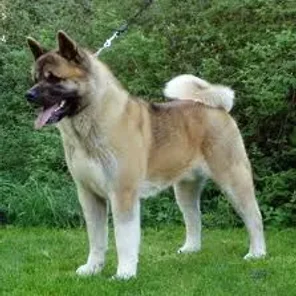
American Akita

American Alsatian
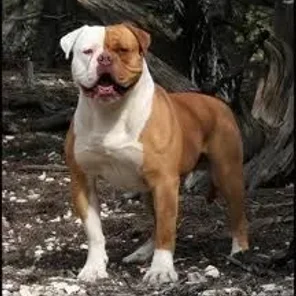
American Bulldog
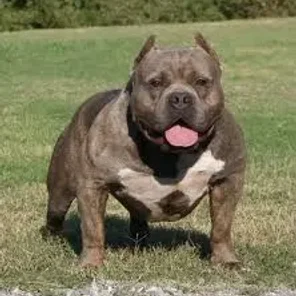
American Bully
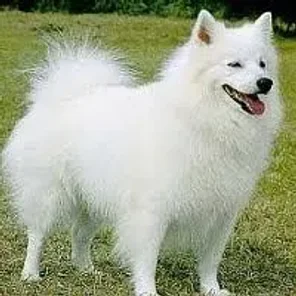
American Eskimo
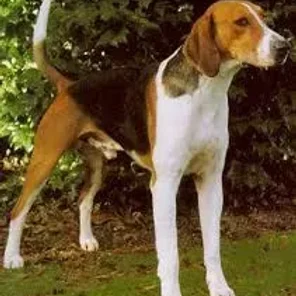
American Foxhound
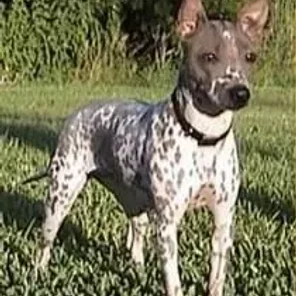
American Hairless Terrier

American Mastiff
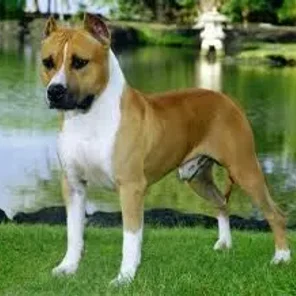
American Staffordshire Terrier

American Water Spaniel
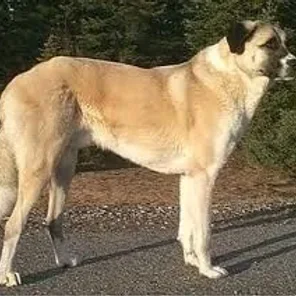
Anatolian Shepherd
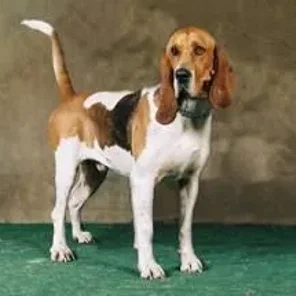
Anglo-Français de Petite Vénerie
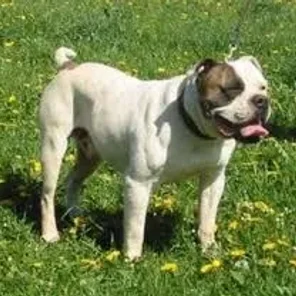
Antebellum Bulldog
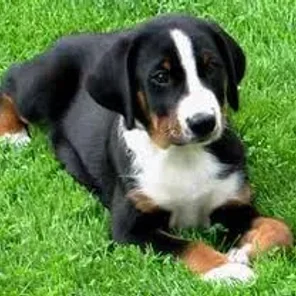
Appenzeller Sennenhund
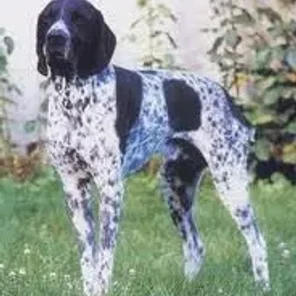
Ariege Pointer
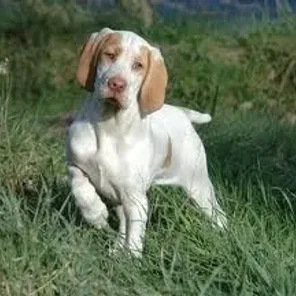
Ariegeois
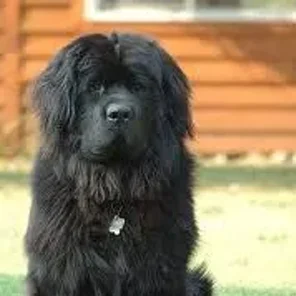
Armant

Armenian Gampr
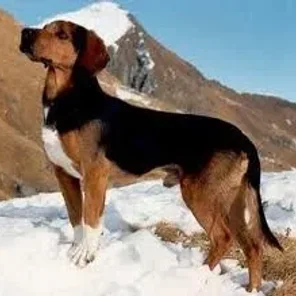
Artois Hound

Australian Bulldog
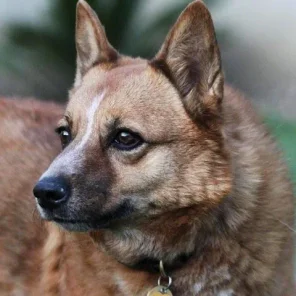
Australian Cattle Dog
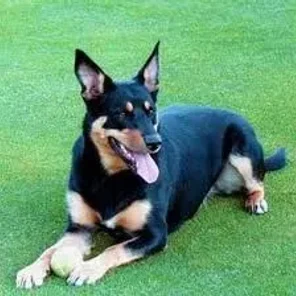
Australian Kelpie
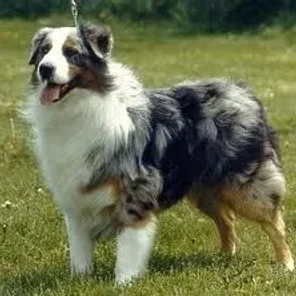
Australian Shepherd
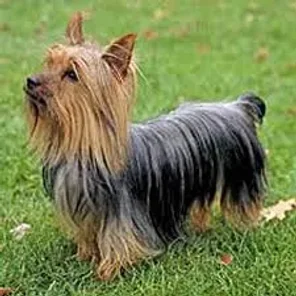
Australian Silky Terrier
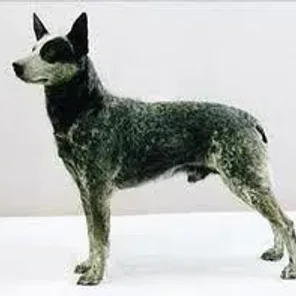
Australian Stumpy Tail Cattle Dog
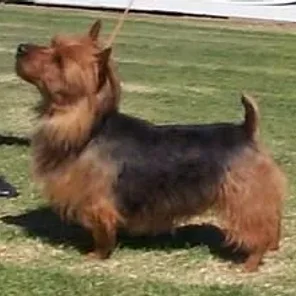
Australian Terrier
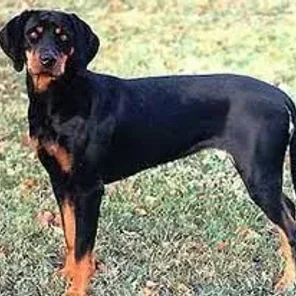
Austrian Black and Tan Hound

Austrian Pinscher
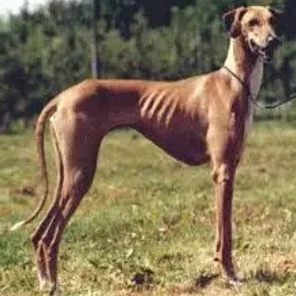
Azawakh
Bakharwal
Barbet
Basenji
Basque Shepherd

Basset Artésien Normand

Basset Bleu de Gascogne
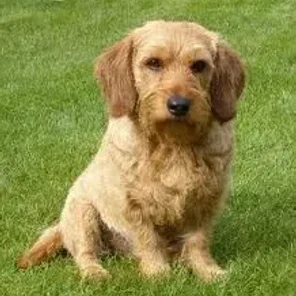
Basset Fauve de Bretagne

Basset Hound
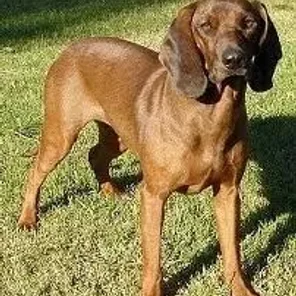
Bavarian Mountain Hound
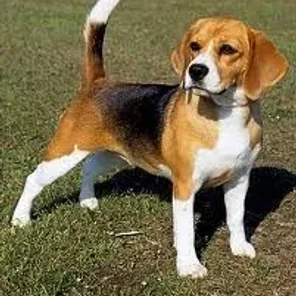
Beagle

Beagle-Harrier
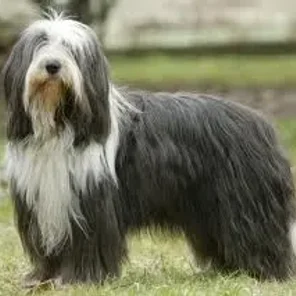
Bearded Collie

Beauceron

Bedlington Terrier

Belgian Sheepdog

Belgian Shepherd (Groenendael)
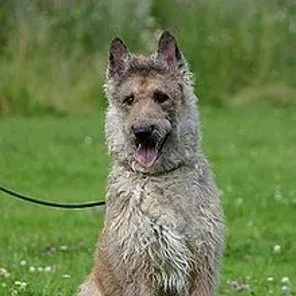
Belgian Shepherd (Laekenois)

Belgian Shepherd (Malinois)
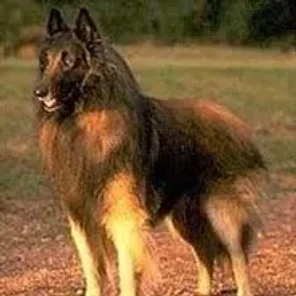
Belgian Shepherd (Tervuren)
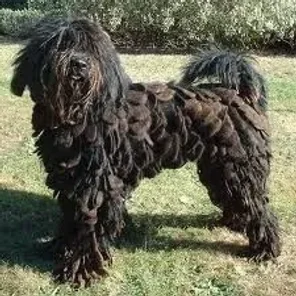
Bergamasco Shepherd
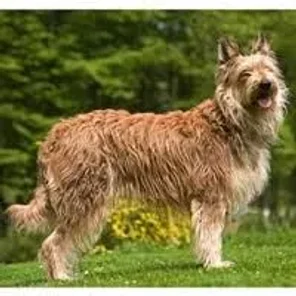
Berger Picard
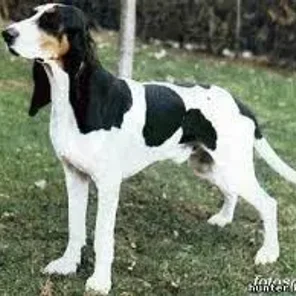
Berner Laufhund
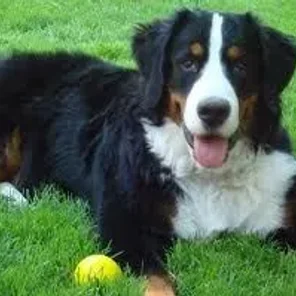
Bernese Mountain
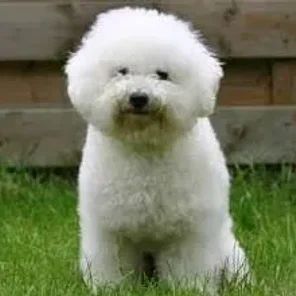
Bichon Frisé
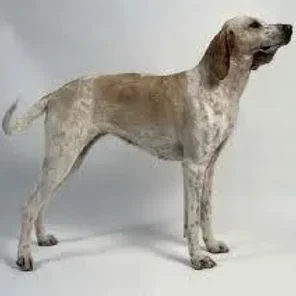
Billy
Bisben
Black and Tan Coonhound
Black and Tan Virginia Foxhound
Black Norwegian Elkhound

Black Russian Terrier
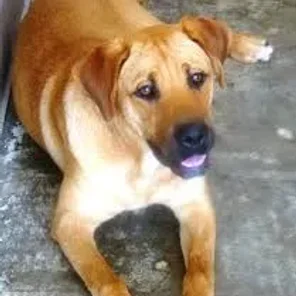
Blackmouth Cur
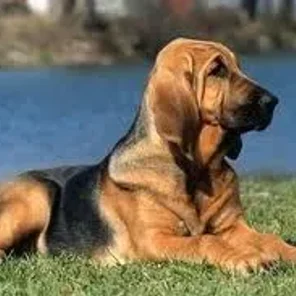
Bloodhound
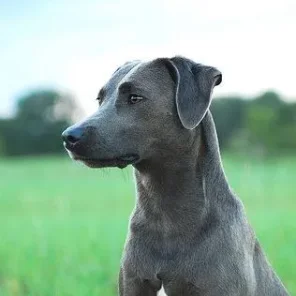
Blue Lacy

Bluetick Coonhound

Boerboel

Bohemian Shepherd
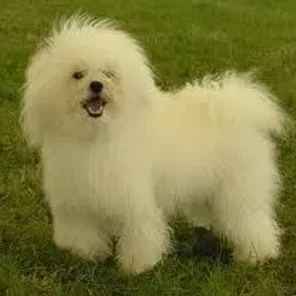
Bolognese
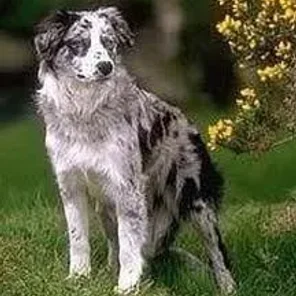
Border Collie

Border Terrier
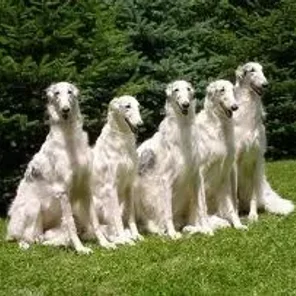
Borzoi
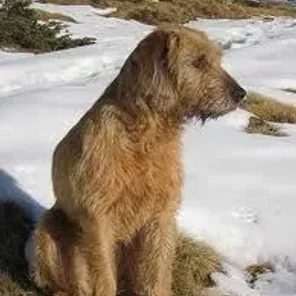
Bosnian Coarse-haired Hound

Boston Terrier
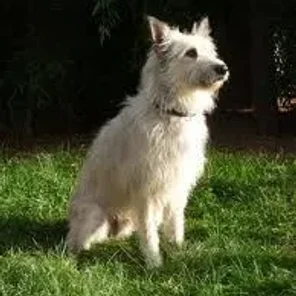
Bouvier des Ardennes
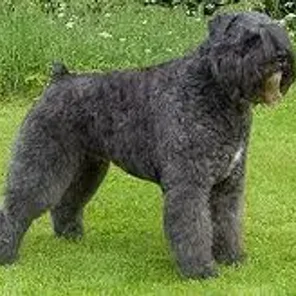
Bouvier des Flandres
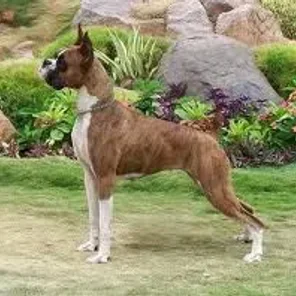
Boxer
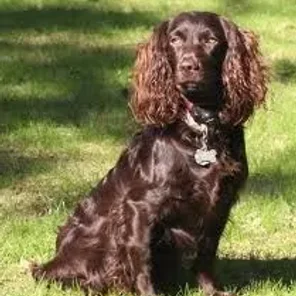
Boykin Spaniel
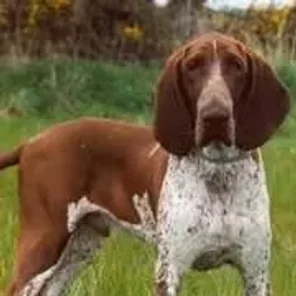
Bracco Italiano

Braque d'Auvergne
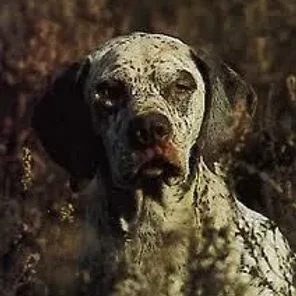
Braque du Bourbonnais
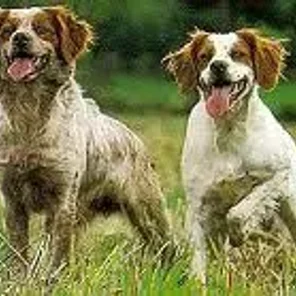
Braque du Puy
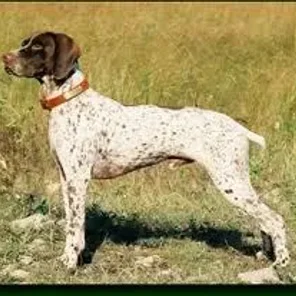
Braque Francais
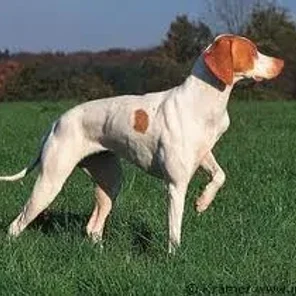
Braque Saint-Germain
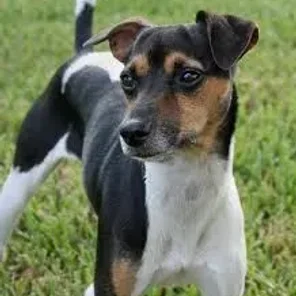
Brazilian Terrier

Briard
Briquet Griffon Vendéen
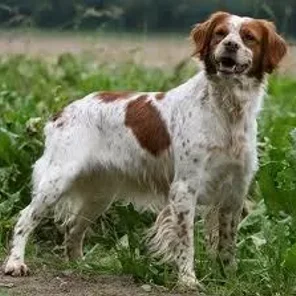
Brittany
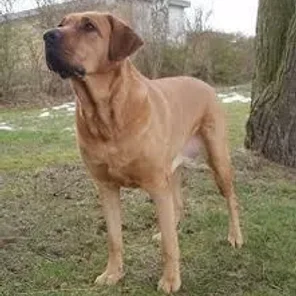
Broholmer
Bruno Jura Hound
Bucovina Shepherd
Bull Terrier
Bull Terrier (Miniature)
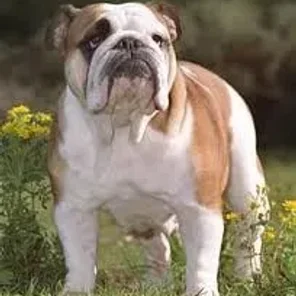
Bulldog
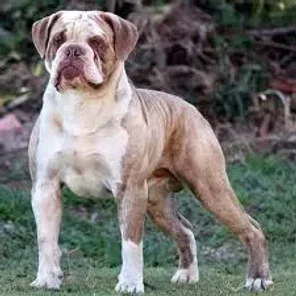
Bulldog Campeiro
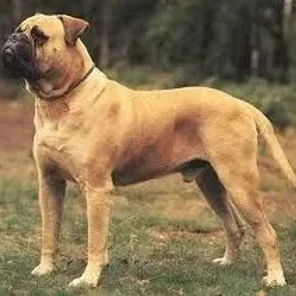
Bullmastiff
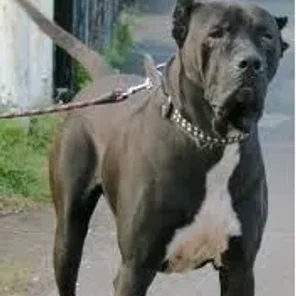
Bully Kutta
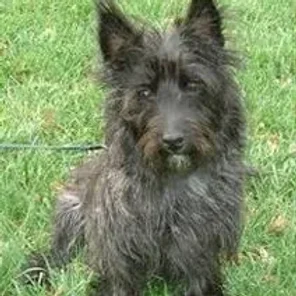
Cairn Terrier
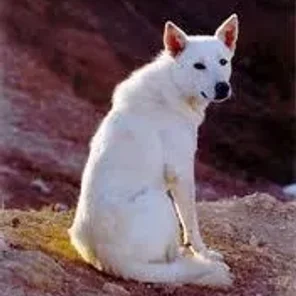
Canaan
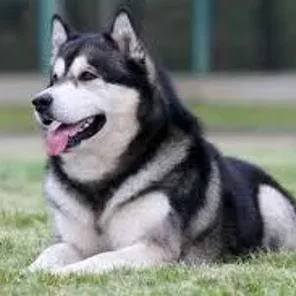
Canadian Eskimo
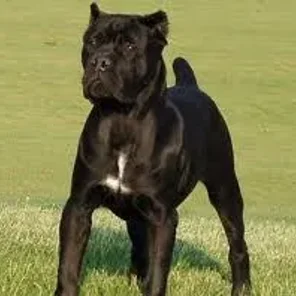
Cane Corso

Cão da Serra de Aires

Cão de Castro Laboreiro
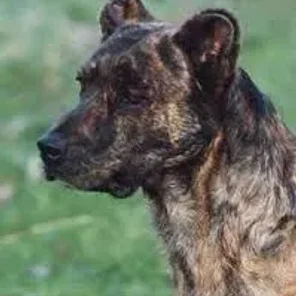
Cão Fila de São Miguel

Cardigan Welsh Corgi
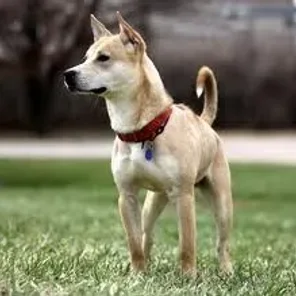
Carolina
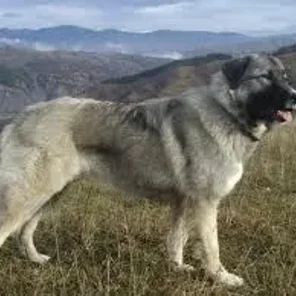
Carpathian Shepherd
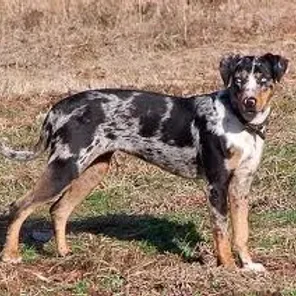
Catahoula Cur
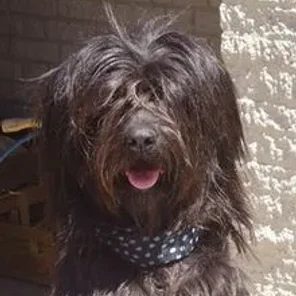
Catalan Sheepdog
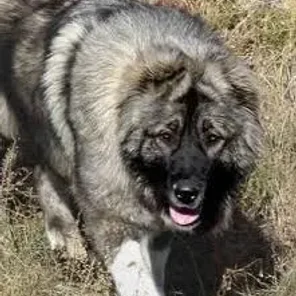
Caucasian Shepherd
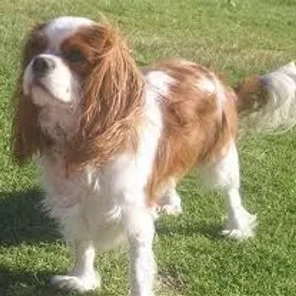
Cavalier King Charles Spaniel
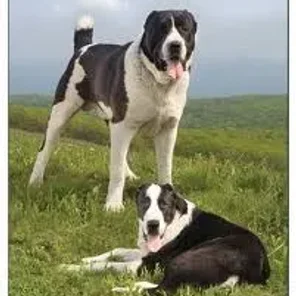
Central Asian Shepherd
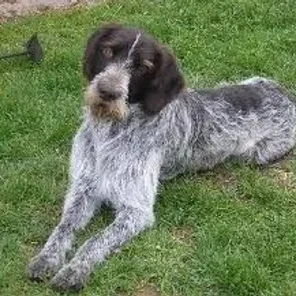
Cesky Fousek
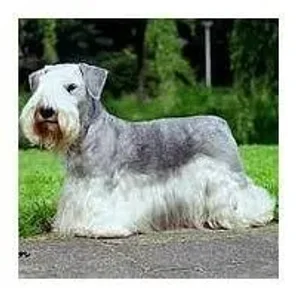
Cesky Terrier
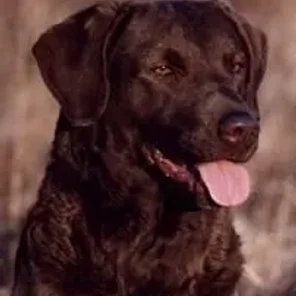
Chesapeake Bay Retriever
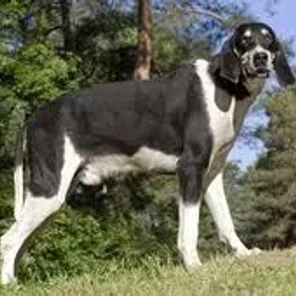
Chien Français Blanc et Noir
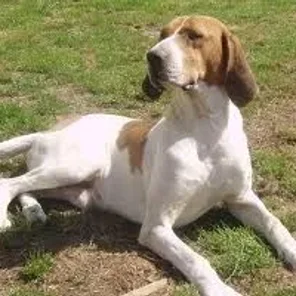
Chien Français Blanc et Orange

Chien Français Tricolore
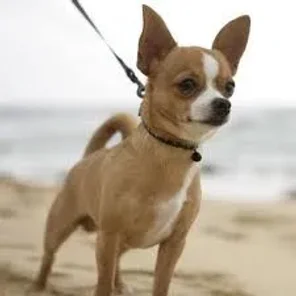
Chihuahua
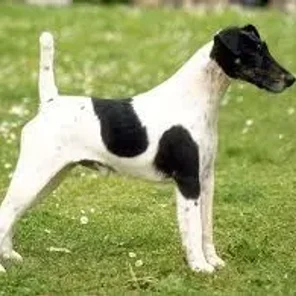
Chilean Fox Terrier
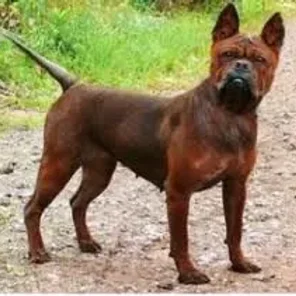
Chinese Chongqing
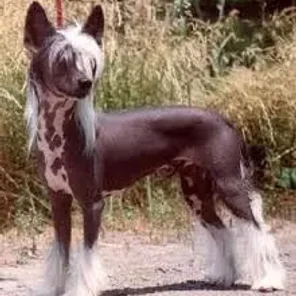
Chinese Crested

Chinese Imperial
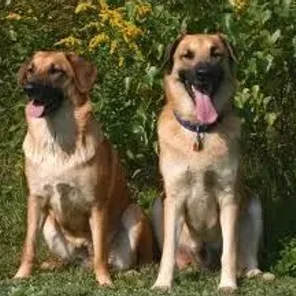
Chinook
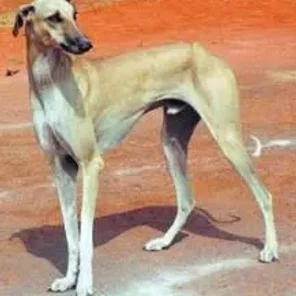
Chippiparai
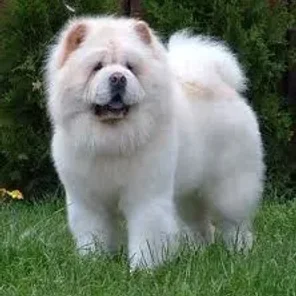
Chow Chow
Cierny Sery

Cimarrón Uruguayo
Cirneco dell'Etna
Clumber Spaniel
Cocker Spaniel
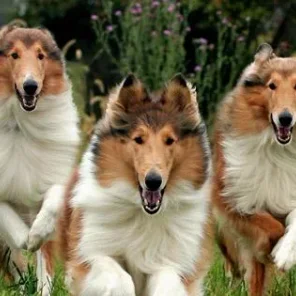
Collie
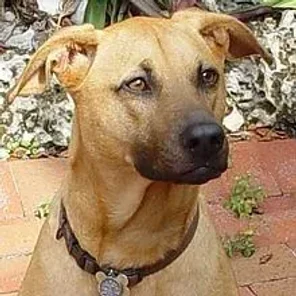
Combai
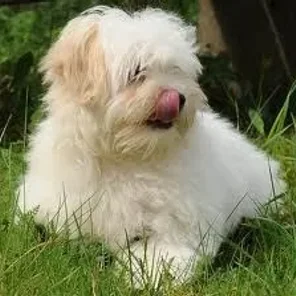
Coton de Tulear
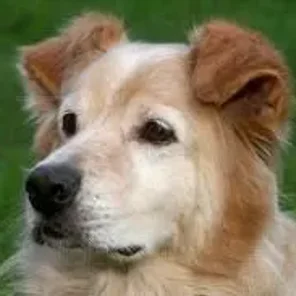
Coydog

Cretan Hound
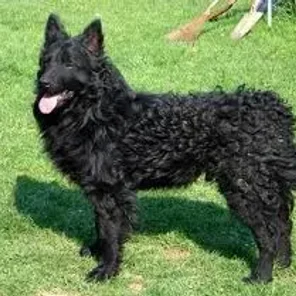
Croatian Sheepdog

Curly Coated Retriever

Cursinu
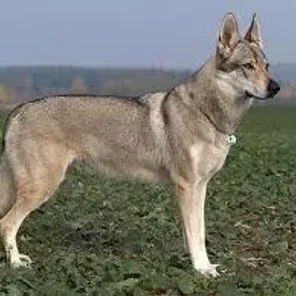
Czechoslovak Wolfdog
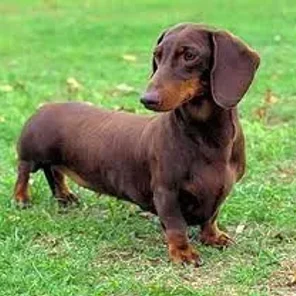
Dachshund
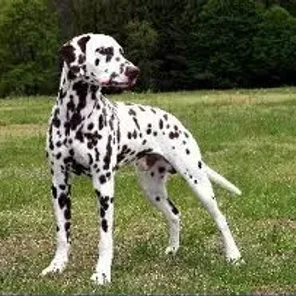
Dalmatian
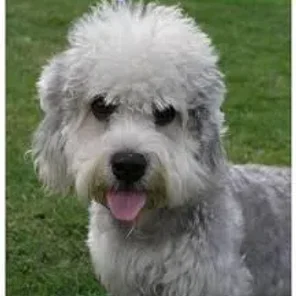
Dandie Dinmont Terrier
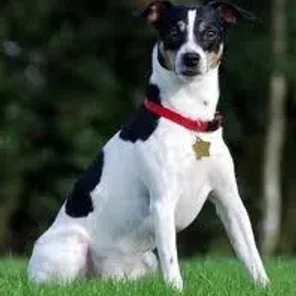
Danish Swedish Farmdog

Deutsche Bracke
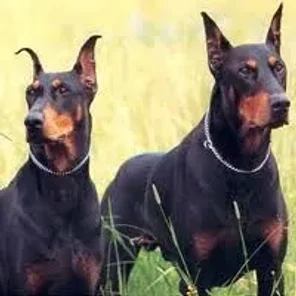
Doberman Pinscher
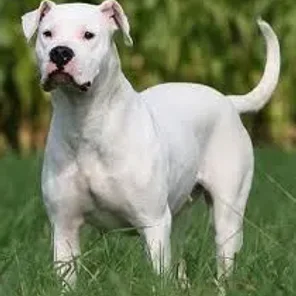
Dogo Argentino

Dogo Guatemalteco
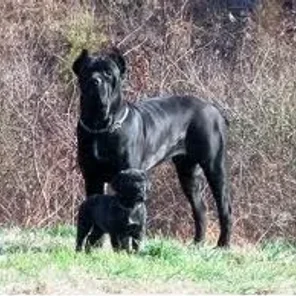
Dogo Sardesco
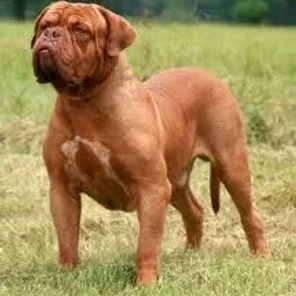
Dogue de Bordeaux
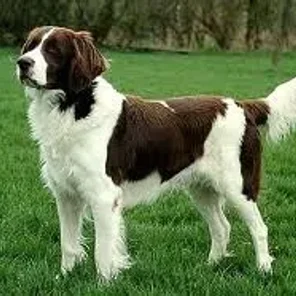
Drentse Patrijshond
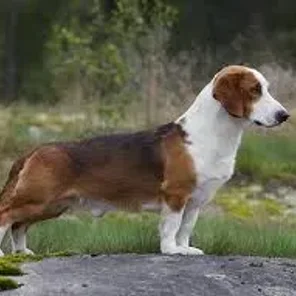
Drever
Dunker
Dutch Shepherd
Dutch Smoushond
East Siberian Laika
East-European Shepherd
Elo
English Coonhound
English Foxhound
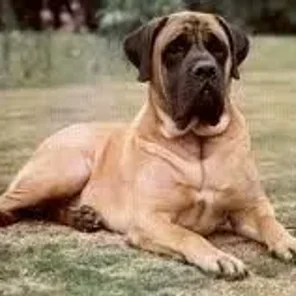
English Mastiff
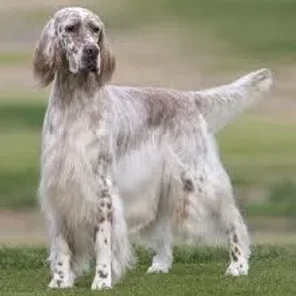
English Setter

English Shepherd
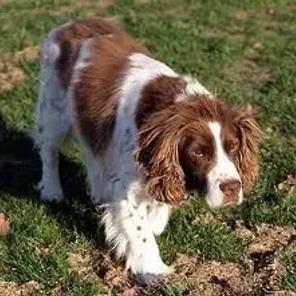
English Springer Spaniel

English Toy Spaniel
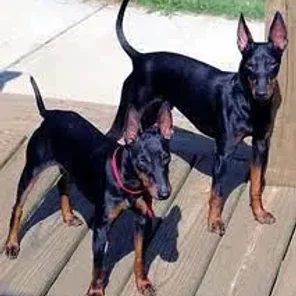
English Toy Terrier (Black & Tan)
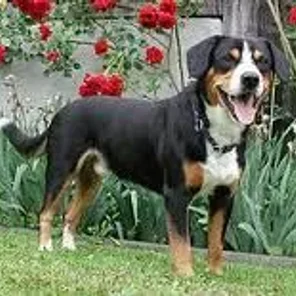
Entlebucher Mountain Dog
Épagneul Bleu de Picardie
Estonian Hound
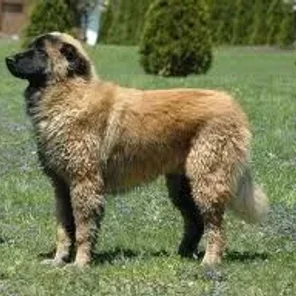
Estrela Mountain
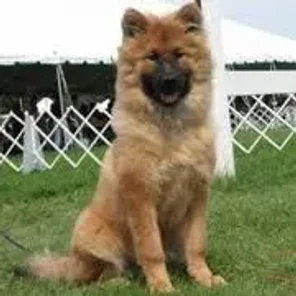
Eurasier
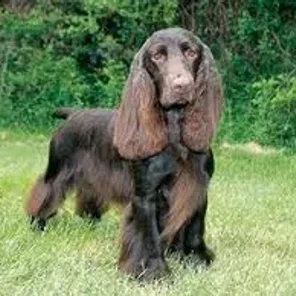
Field Spaniel
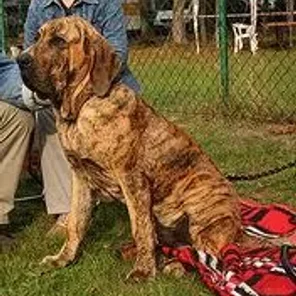
Fila Brasileiro
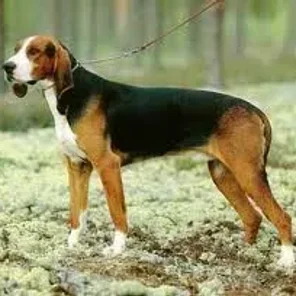
Finnish Hound
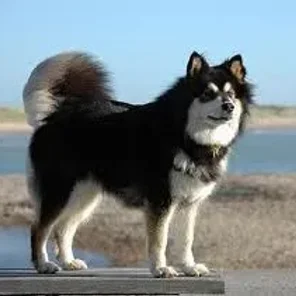
Finnish Lapphund
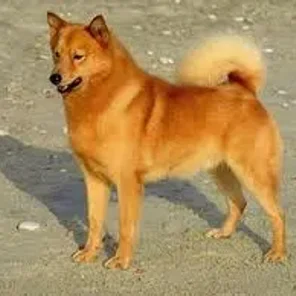
Finnish Spitz

Flat Coated Retriever
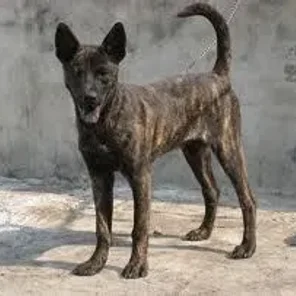
Formosan Mountain Dog
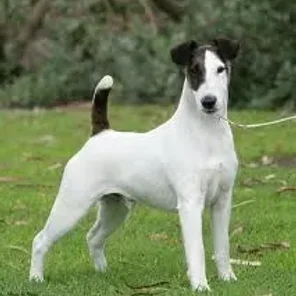
Fox Terrier (Smooth)
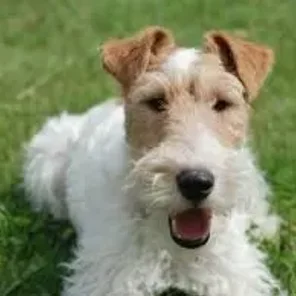
Fox Terrier (Wire)
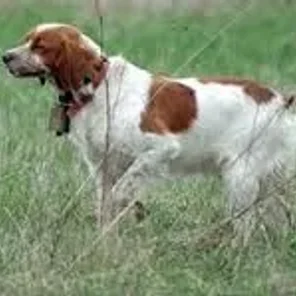
French Brittany

French Bulldog
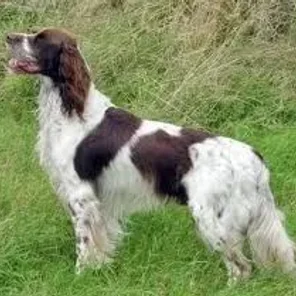
French Spaniel
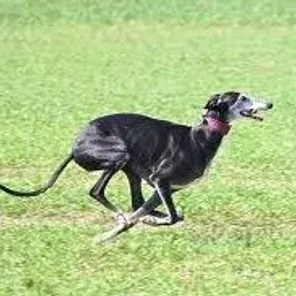
Galgo Espanol
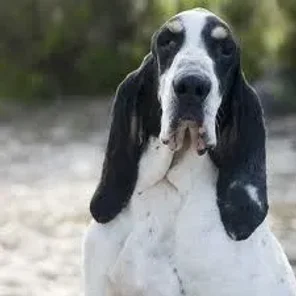
Gascon Saintongeois

German Longhaired Pointer
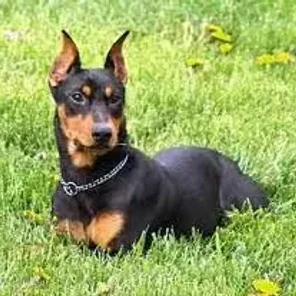
German Pinscher
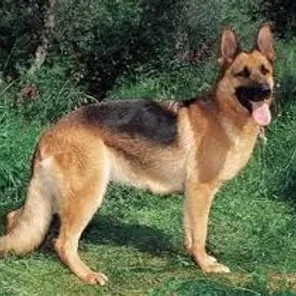
German Shepherd
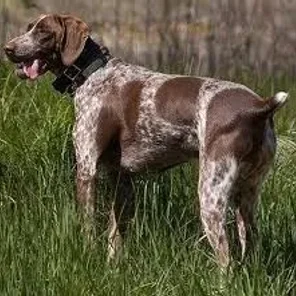
German Shorthaired Pointer

German Spaniel

German Spitz
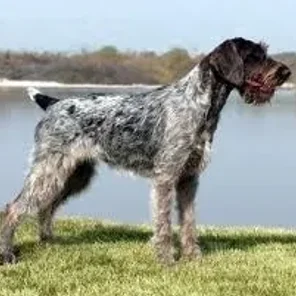
German Wirehaired Pointer
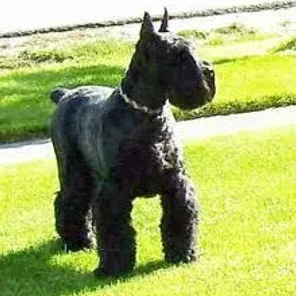
Giant Schnauzer
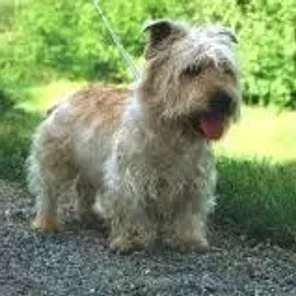
Glen of Imaal Terrier

Golden Retriever
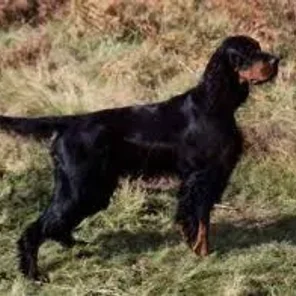
Gordon Setter

Gran Mastín de Borínquen
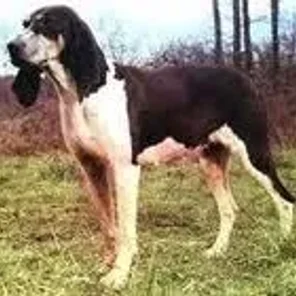
Grand Anglo-Francais Blanc et Noir

Grand Anglo-Francais Blanc et Orange
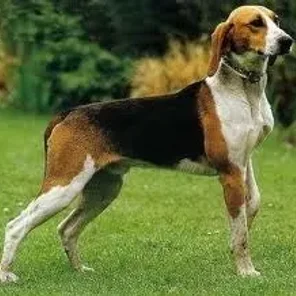
Grand Anglo-Francais Tricolore
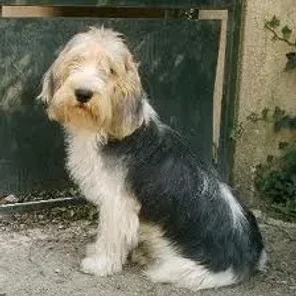
Grand Basset Griffon Vendéen
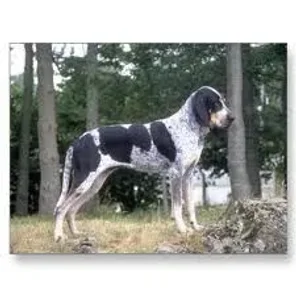
Grand Bleu de Gascogne
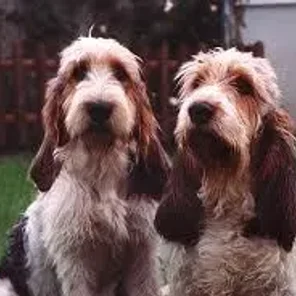
Grand Griffon Vendéen
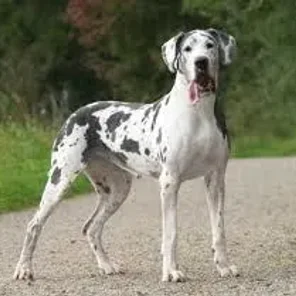
Great Dane
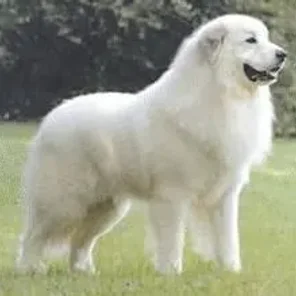
Great Pyrenees
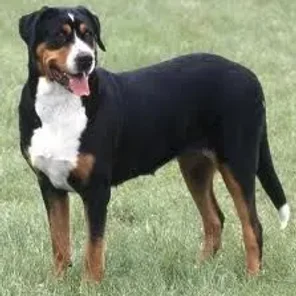
Greater Swiss Mountain Dog
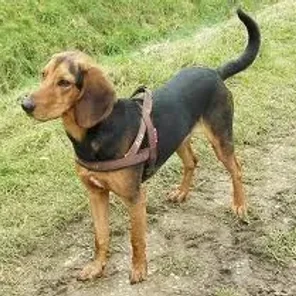
Greek Harehound
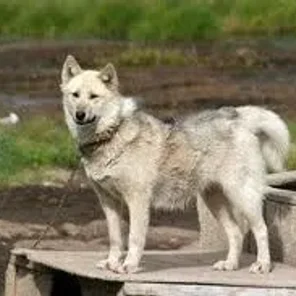
Greenland
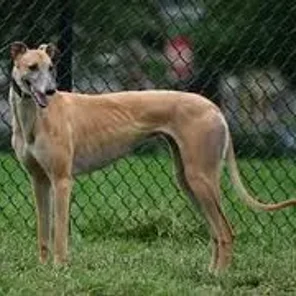
Greyhound
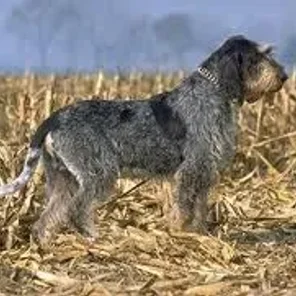
Griffon Bleu de Gascogne
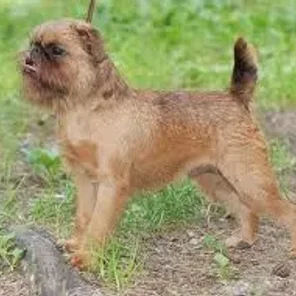
Griffon Bruxellois

Griffon Fauve de Bretagne
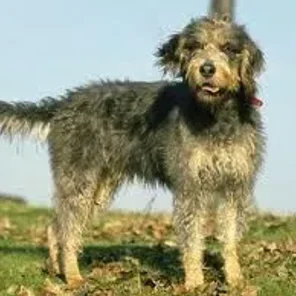
Griffon Nivernais
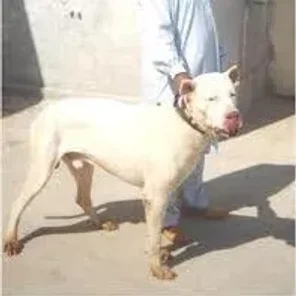
Gull Dong
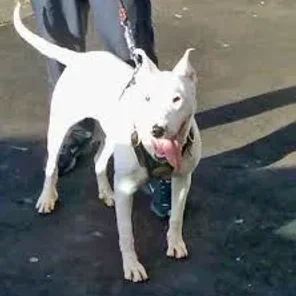
Gull Terr
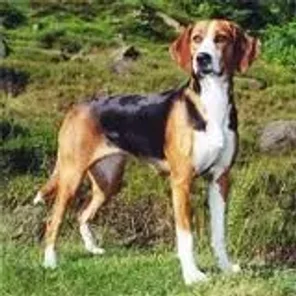
Hamiltonstövare

Hanover Hound

Harrier
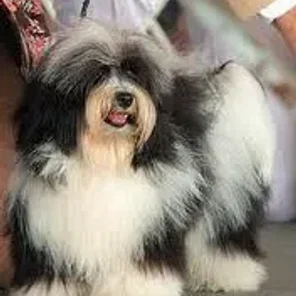
Havanese
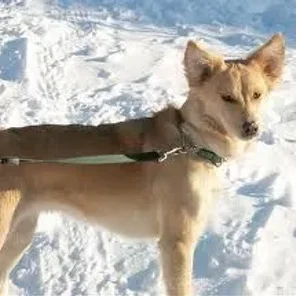
Himalayan Sheepdog
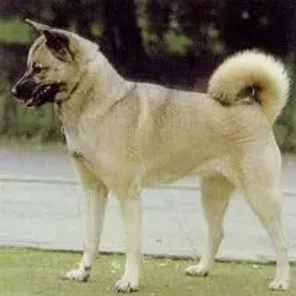
Hokkaido
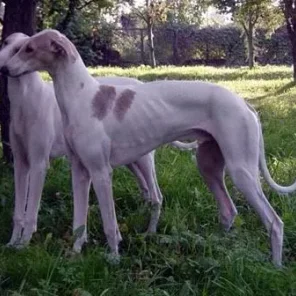
Hortaya Borzaya
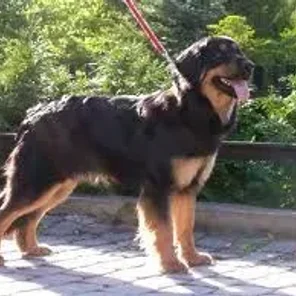
Hovawart
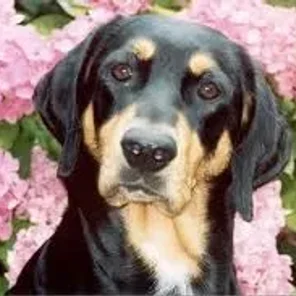
Hungarian Hound
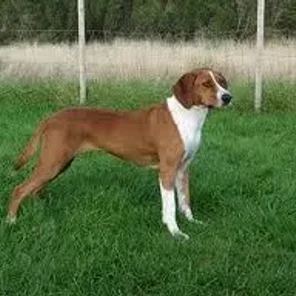
Hygenhund
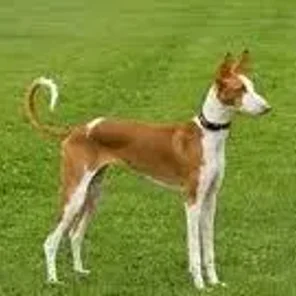
Ibizan Hound
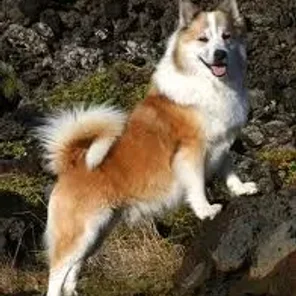
Icelandic Sheepdog

Indian Spitz
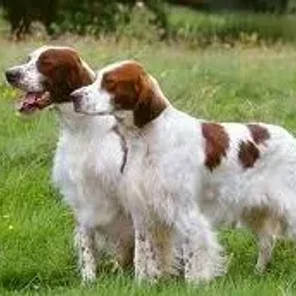
Irish Red and White Setter
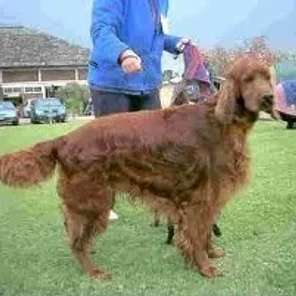
Irish Setter
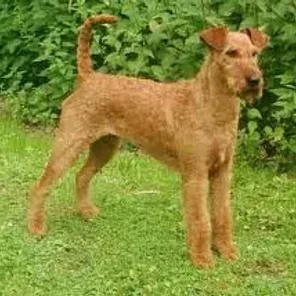
Irish Terrier
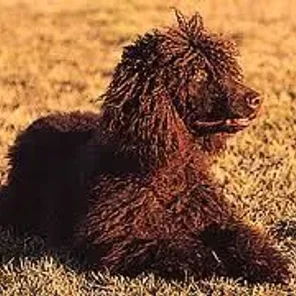
Irish Water Spaniel
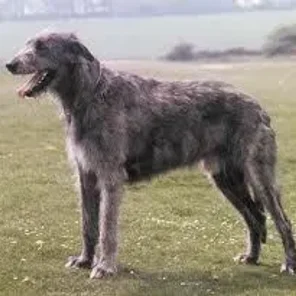
Irish Wolfhound
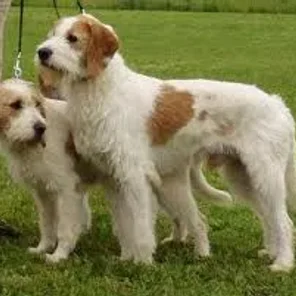
Istrian Coarse-haired Hound
Istrian Shorthaired Hound
Italian Greyhound

Jack Russell Terrier

Jagdterrier
Jämthund

Japanese Chin
Japanese Spitz
Japanese Terrier

Jonangi
Kai Ken
Kaikadi

Kangal

Kanni
Karakachan
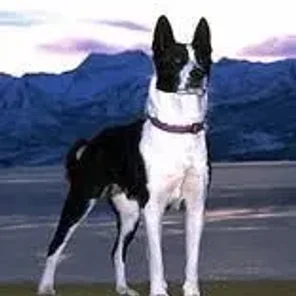
Karelian Bear Dog
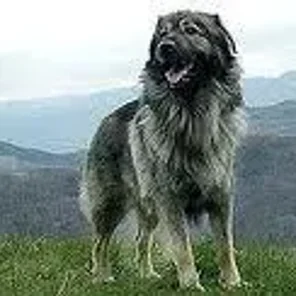
Karst Shepherd
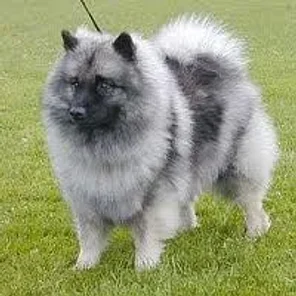
Keeshond
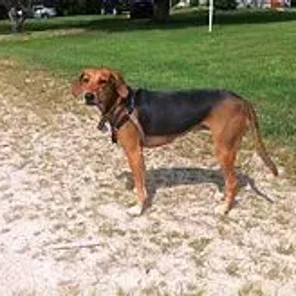
Kerry Beagle
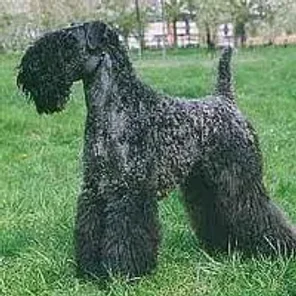
Kerry Blue Terrier
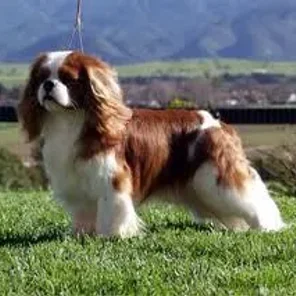
King Charles Spaniel
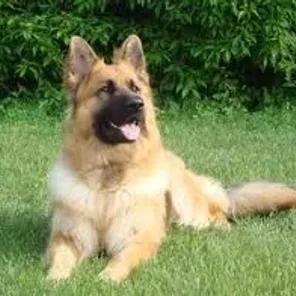
King Shepherd

Kintamani

Kishu
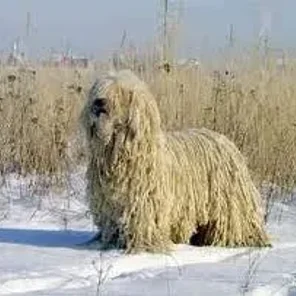
Komondor
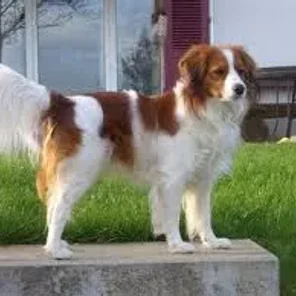
Kooikerhondje
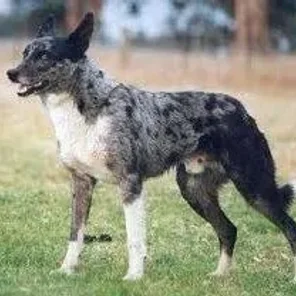
Koolie
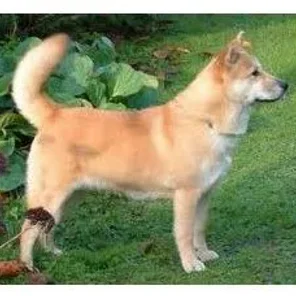
Korean Jindo
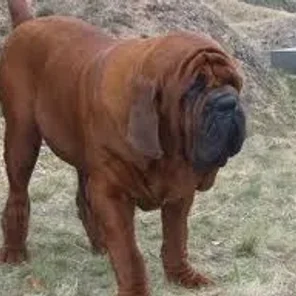
Korean Mastiff

Kromfohrländer
Kunming Wolfdog
Kuvasz
Kyi-Leo
Labrador Husky
Lagotto Romagnolo
Lakeland Terrier

Lancashire Heeler
Landseer
Lapponian Herder
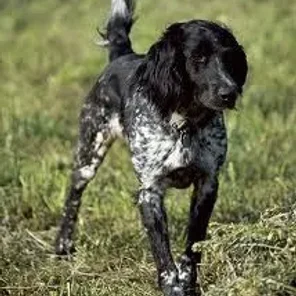
Large Münsterländer
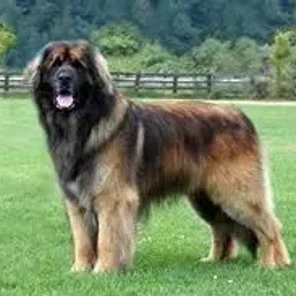
Leonberger
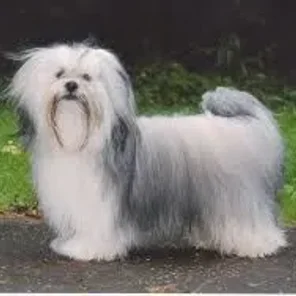
Lhasa Apso
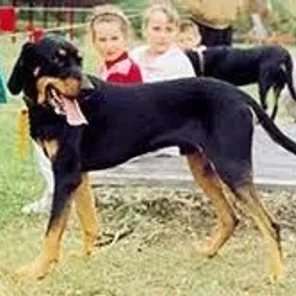
Lithuanian Hound

Longhaired Whippet
Löwchen
Magyar Agár

Maltese
Manchester Terrier
Maremma Sheepdog
McNab
Mexican Hairless
Miniature Australian Shepherd
Miniature Fox Terrier

Miniature Pinscher
Miniature Schnauzer
Mioritic
Montenegrin Mountain Hound
Moscow Watchdog

Mountain Cur
Mountain View Cur
Mucuchies

Mudhol Hound
Mudi
Murray River Curly Coated Retriever
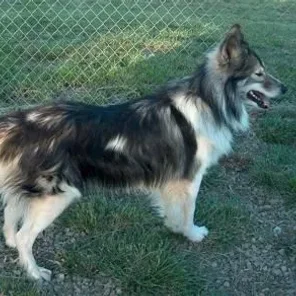
Native American Indian Dog
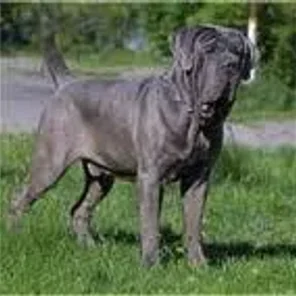
Neapolitan Mastiff

New Zealand Huntaway
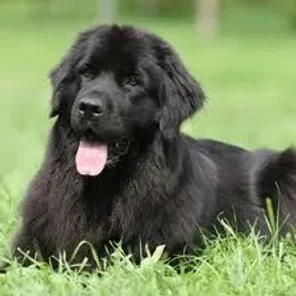
Newfoundland
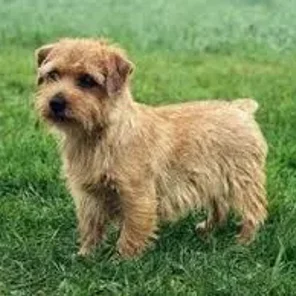
Norfolk Terrier

Norrbottenspets
Northern Inuit
Norwegian Buhund
Norwegian Elkhound
Norwegian Lundehund

Norwich Terrier
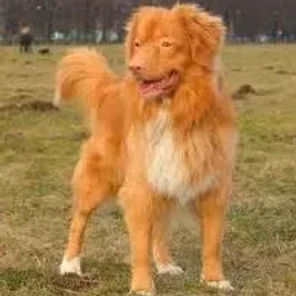
Nova Scotia Duck-Tolling Retriever
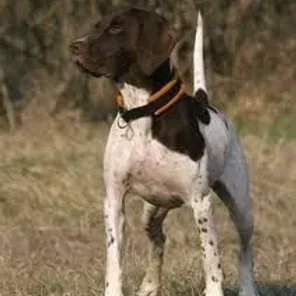
Old Danish Pointer
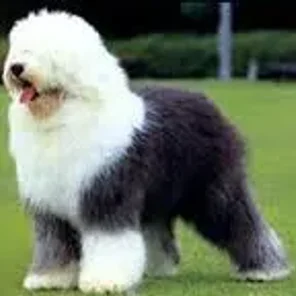
Old English Sheepdog
Old English Terrier
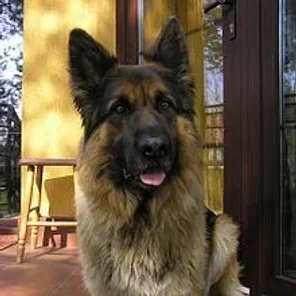
Old German Shepherd
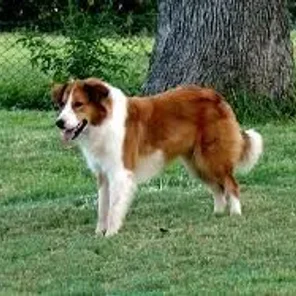
Old Time Farm Shepherd

Olde English Bulldogge
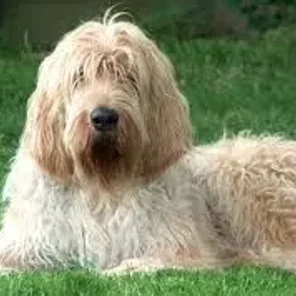
Otterhound

Pachon Navarro

Papillon
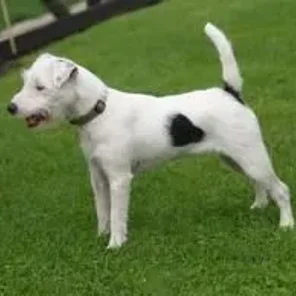
Parson Russell Terrier
Patterdale Terrier
Pekingese
Pembroke Welsh Corgi
Perro de Presa Canario
Perro de Presa Mallorquin
Peruvian Hairless
Petit Basset Griffon Vendéen
Petit Bleu de Gascogne

Phalène

Pharaoh Hound
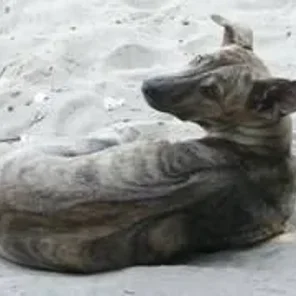
Phu Quoc ridgeback
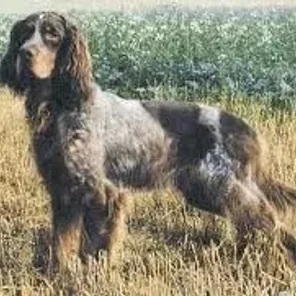
Picardy Spaniel
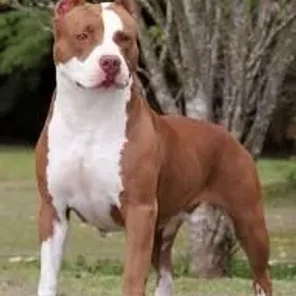
Pit Bull Terrier

Plott Hound
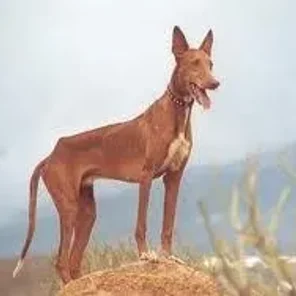
Podenco Canario
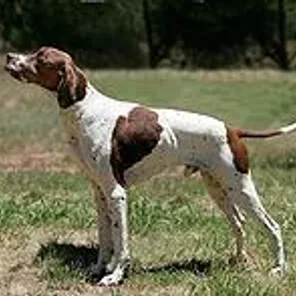
Pointer
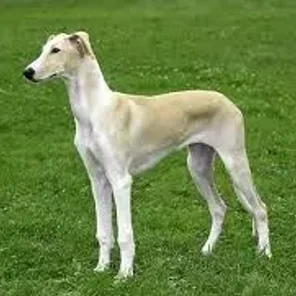
Polish Greyhound
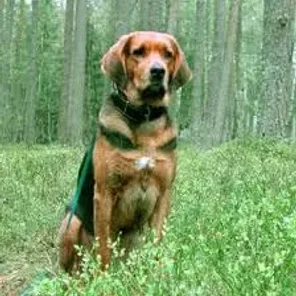
Polish Hound

Polish Hunting
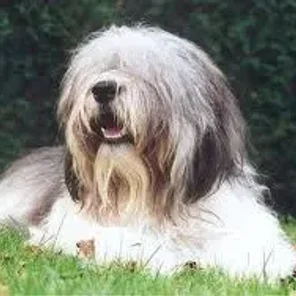
Polish Lowland Sheepdog
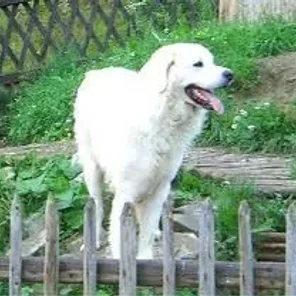
Polish Tatra Sheepdog
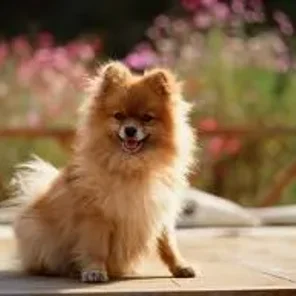
Pomeranian
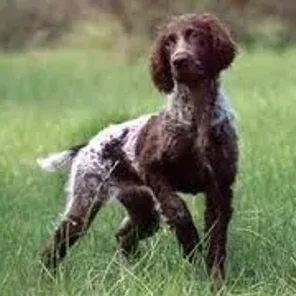
Pont-Audemer Spaniel
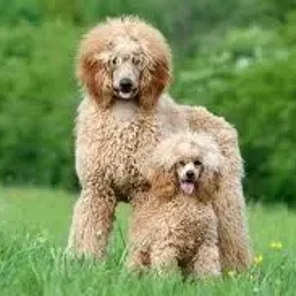
Poodle

Porcelaine

Portuguese Podengo
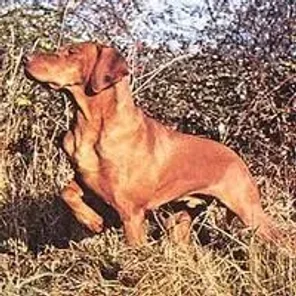
Portuguese Pointer
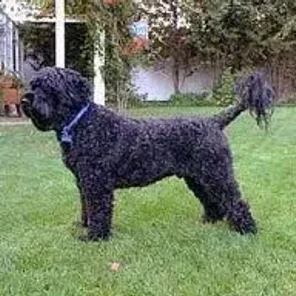
Portuguese Water Dog
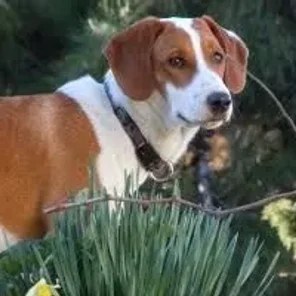
Posavac Hound
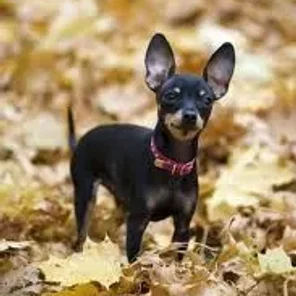
Pražský Krysarík
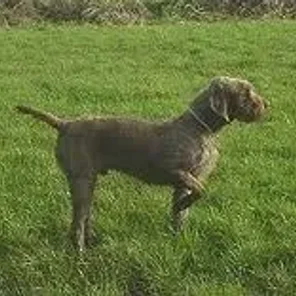
Pudelpointer
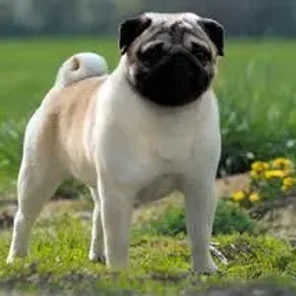
Pug
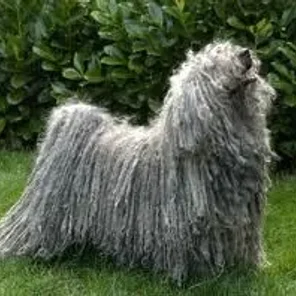
Puli
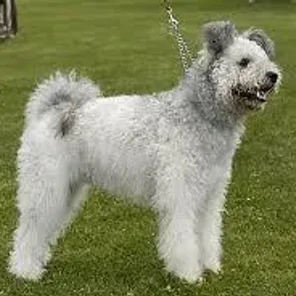
Pumi

Pungsan
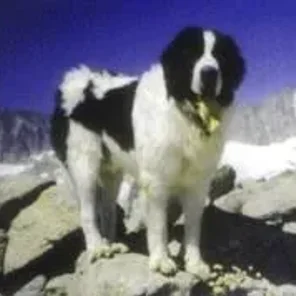
Pyrenean Mastiff
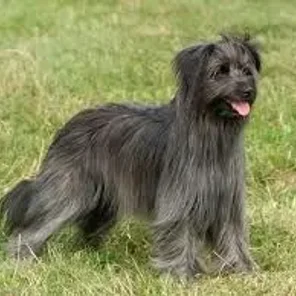
Pyrenean Shepherd
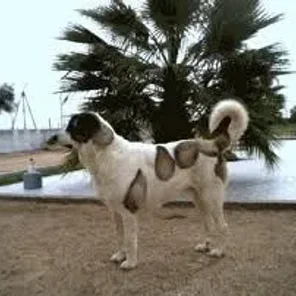
Rafeiro do Alentejo

Rajapalayam

Rampur Greyhound
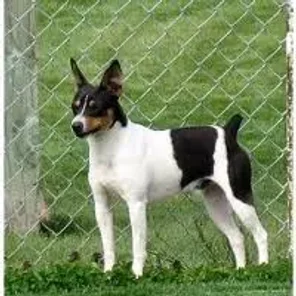
Rat Terrier
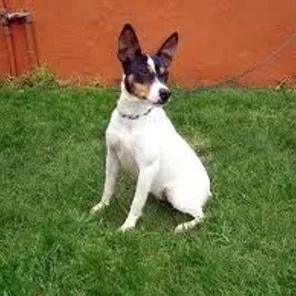
Ratonero Bodeguero Andaluz

Redbone Coonhound

Rhodesian Ridgeback
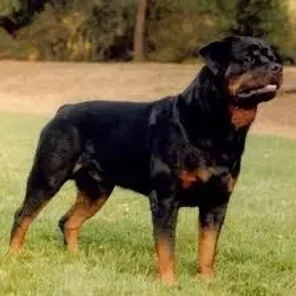
Rottweiler
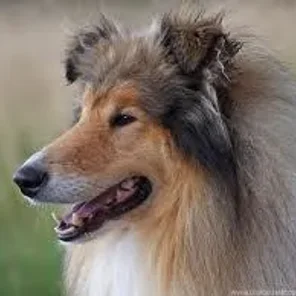
Rough Collie

Russian Spaniel

Russian Toy
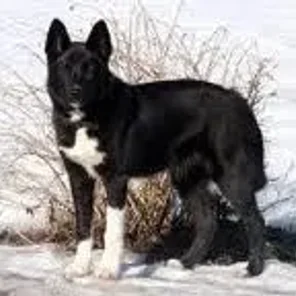
Russo-European Laika
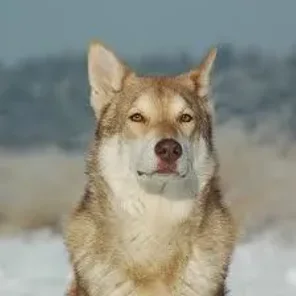
Saarlooswolfhond
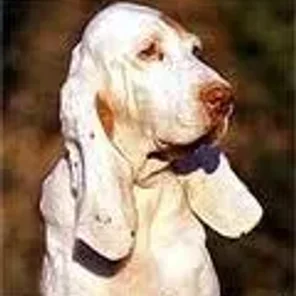
Sabueso Español
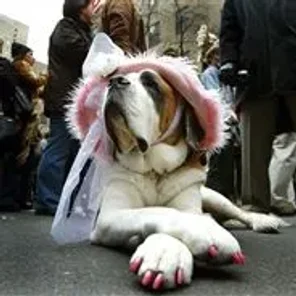
Saint Bernard
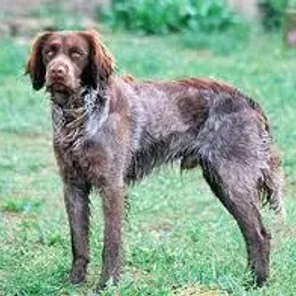
Saint-Usuge Spaniel
Sakhalin Husky

Saluki

Samoyed
Sapsali
Sarplaninac

Schapendoes

Schillerstövare
Schipperke
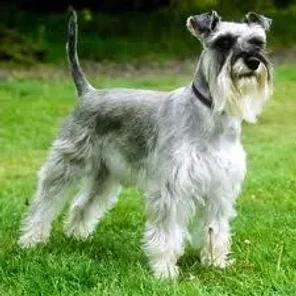
Schnauzer
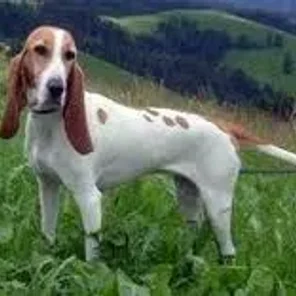
Schweizer Laufhund

Schweizerischer Niederlaufhund
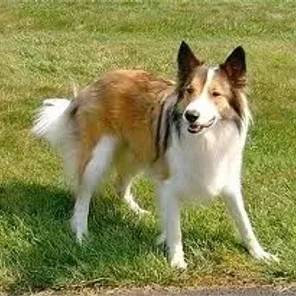
Scotch Collie
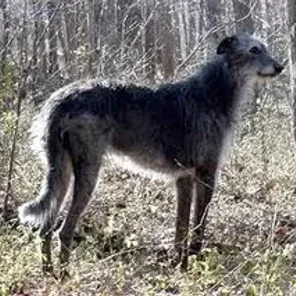
Scottish Deerhound
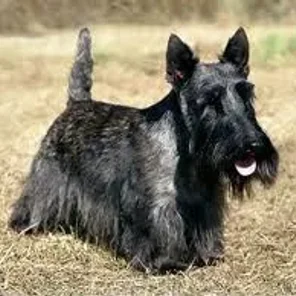
Scottish Terrier
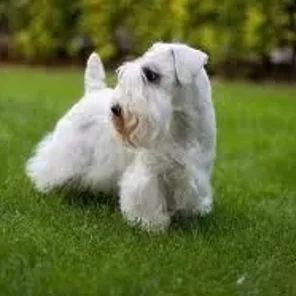
Sealyham Terrier
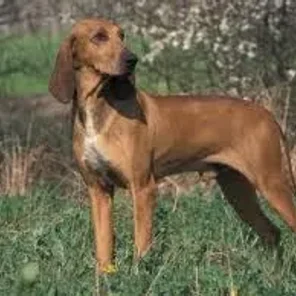
Segugio Italiano

Seppala Siberian Sleddog

Serbian Hound
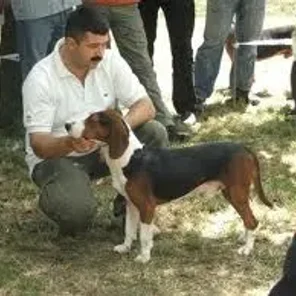
Serbian Tricolour Hound
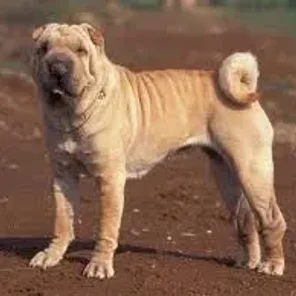
Shar Pei
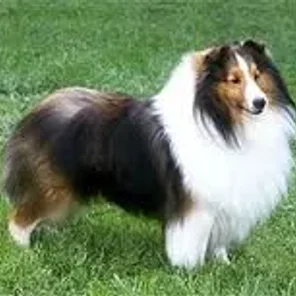
Shetland Sheepdog
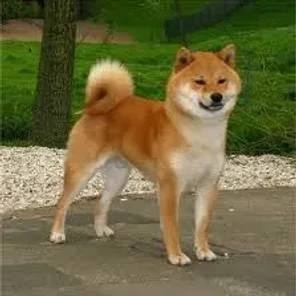
Shiba Inu

Shih Tzu
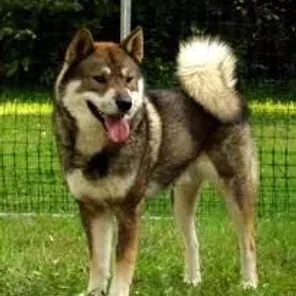
Shikoku
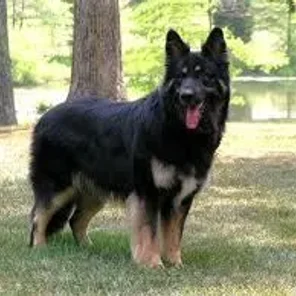
Shiloh Shepherd
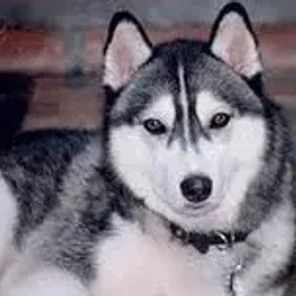
Siberian Husky

Silken Windhound
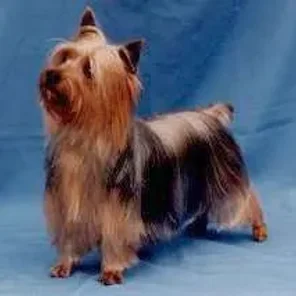
Silky Terrier

Sinhala Hound
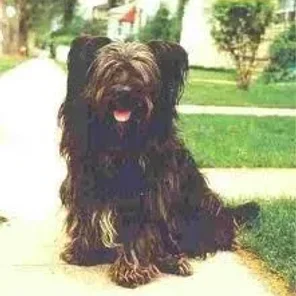
Skye Terrier
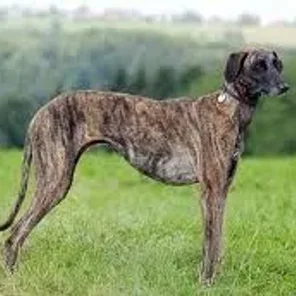
Sloughi

Slovak Cuvac
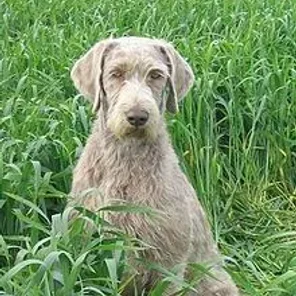
Slovakian Rough-haired Pointer
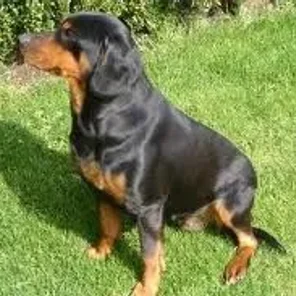
Slovenský Kopov
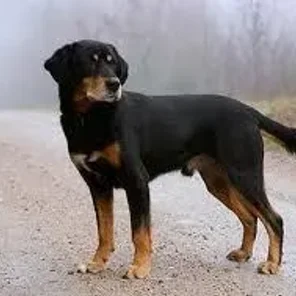
Smålandsstövare
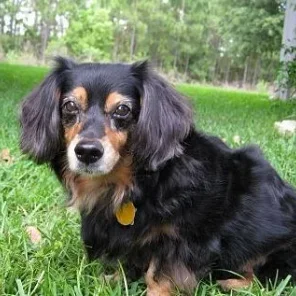
Small Greek Domestic
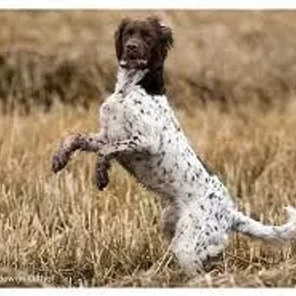
Small Münsterländer

Smooth Collie
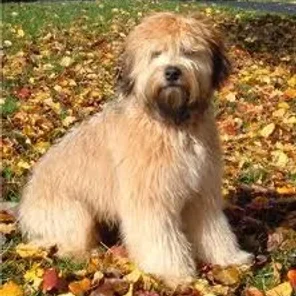
Soft-Coated Wheaten Terrier
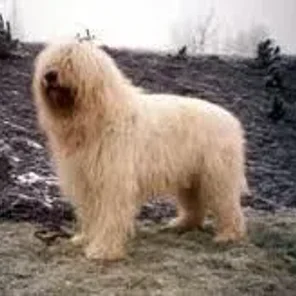
South Russian Ovcharka

Spanish Mastiff
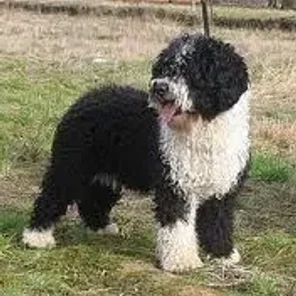
Spanish Water Dog
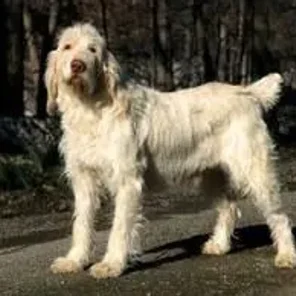
Spinone Italiano

Sporting Lucas Terrier
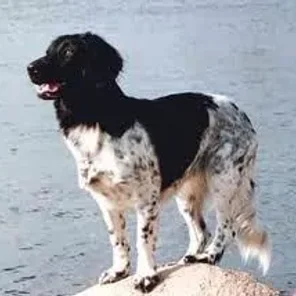
Stabyhoun

Staffordshire Bull Terrier
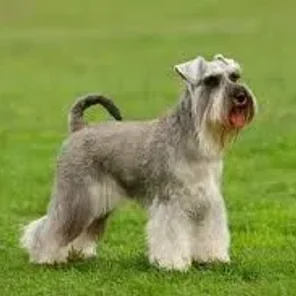
Standard Schnauzer
Stephens Cur

Styrian Coarse-haired Hound
Sussex Spaniel
Swedish Lapphund
Swedish Vallhund
Taigan
Tamaskan

Teddy Roosevelt Terrier
Telomian
Tennessee Treeing Brindle

Tenterfield Terrier
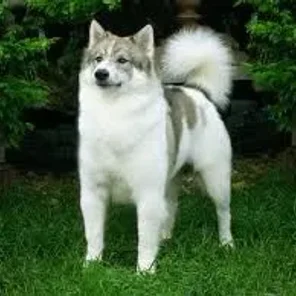
Thai Bangkaew
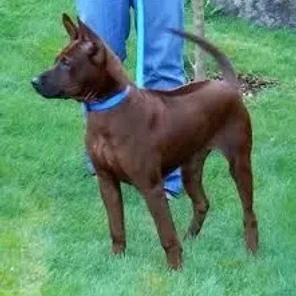
Thai Ridgeback
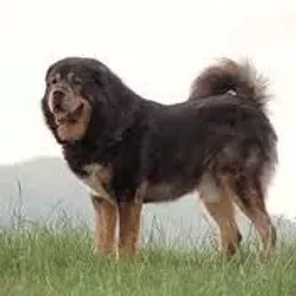
Tibetan Mastiff
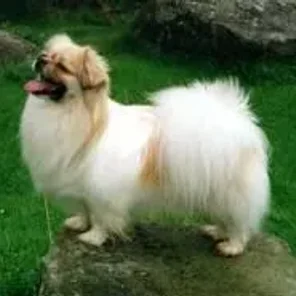
Tibetan Spaniel
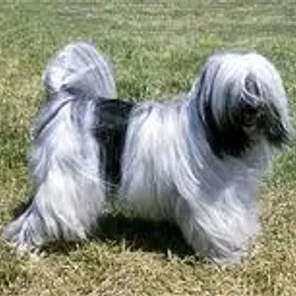
Tibetan Terrier

Tornjak
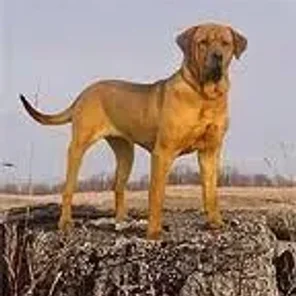
Tosa
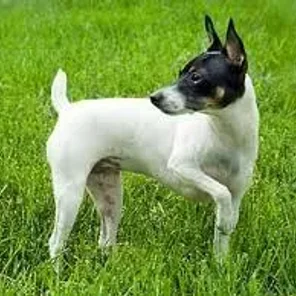
Toy Fox Terrier
Toy Manchester Terrier
Transylvanian Hound

Treeing Walker Coonhound
Trigg Hound
Tyrolean Hound
Utonagan
Vizsla
Volpino Italiano
Weimaraner
Welsh Sheepdog
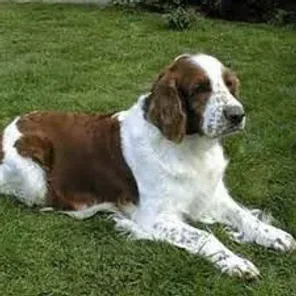
Welsh Springer Spaniel
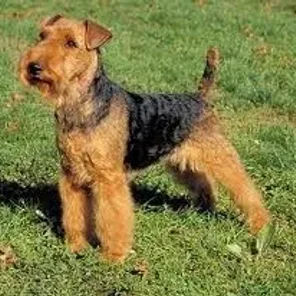
Welsh Terrier
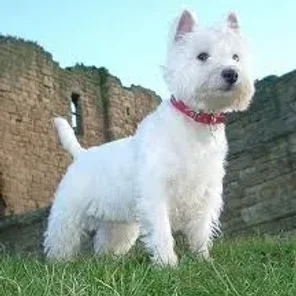
West Highland White Terrier
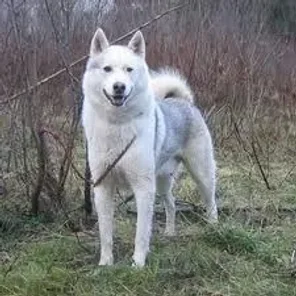
West Siberian Laika
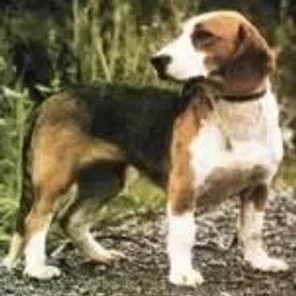
Westphalian Dachsbracke
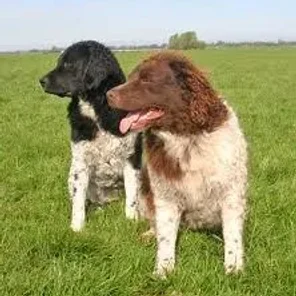
Wetterhoun
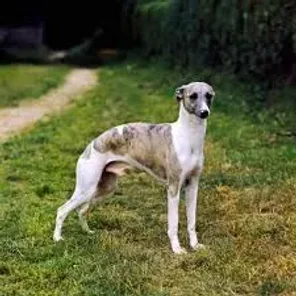
Whippet

White English Bulldog
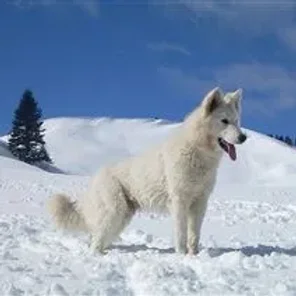
White Shepherd
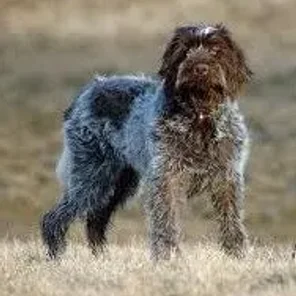
Wirehaired Pointing Griffon

Wirehaired Vizsla
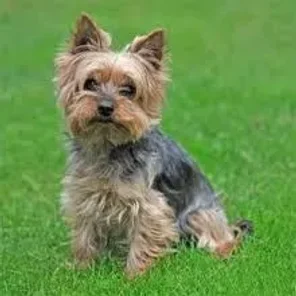
Yorkshire Terrier