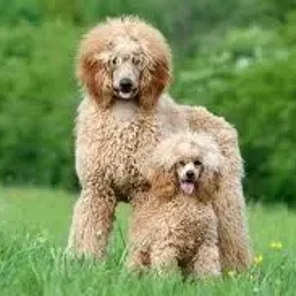
Poodle
With an Einstein brain and a Three Stooges sense of humor, the Poodle keeps his people entertained. With boundless energy and a sunny disposition, he makes an excellent family dog, but his curly coat requires intense grooming. Standard, Miniature, or Toy? Take your pick.
No breed has a more highly developed sense of humor than the Poodle. Good thing, too, because no breed has been the butt of more jokes. Humor aside, all the sniping is unfortunate. Many a family overlooks the smart, funny Poodle, thinking him prissy. Still, it is one of the more popular breeds in the world. Poodle lovers know the dogs for their intelligence, ease of training, low-shedding curly coat, and love of family.
A Poodle’s coat is both a blessing and a curse. It is a blessing because the breed sheds less, so it may be more easily tolerated by some people with allergies. But the coat — or rather what some people do with it — is why many people cross the Poodle off their lists. The breed’s frou-frou reputation is based on show poodles, who are poofed, shaved, and hair-extensioned into an appearance that, though once based on practical considerations, is now just plain silly. Family pets can have a simple and easy-to-maintain look. And they don’t have to wear nail polish!
Poodles require grooming every 4 to 6 weeks. Some Poodle owners learn to use clippers and do the job themselves, but most rely on professionals. Either way, it’s essential to take care of the Poodle’s curly coat. Without regular clipping, it will become a matted mess that can cause painful skin infections at the roots.
The Poodle’s coat comes in many colors: apricot, black, blue, brown, café-au-lait, cream, gray, red, silver, silver beige, and white. Parti Poodles are two-tone. Phantom poodles have tan areas that are similar to the points on a Doberman Pinscher.
The group Versatility in Poodles was founded to take the focus away from the breed’s appearance and put it squarely on what’s under those curls. Today, Poodles with the right stuff can compete for American Kennel Club working certificates and are eligible to compete in hunt tests alongside Labradors, Goldens, and other Retrievers.
Most people won’t be competing with their Poodles, of course, but that doesn’t mean there isn’t plenty for the bright and agile dog to do. These easy-to-train dogs can go anywhere and do anything. They’re generally good with other dogs, cats, and strangers, and are easy to housetrain.
Poodles can excel at performance activities such as agility and obedience. They are active dogs who thrive on attention and learning. Although Toy Poodles (less than 10 inches at the shoulder) are too small to roughhouse with children, there’s nothing the larger Poodles (Miniature, between 10 and 15 inches; Standard, more than 15 inches) like better than to chase a ball or run with kids. Standard Poodles especially need plenty of exercise to be happy, and can do a lot of damage if bored or lonely.
Other Quick Facts
The Standard Poodle was originally bred in Germany as a duck retriever; he is still capable of performing that task today.
The crazy haircuts seen on today’s show Poodles have their roots in the dog’s hunting roots; the thick, curly coat was cut in a way that allowed him to swim but also kept his chest and joints warm.
A Poodle’s intelligence can translate into stubbornness, so be kind but persistent with training.
The History of Poodles
Poodles are thought to have originated in Germany, where they were called Pudel, meaning "splash in the water,” a reference to their work as water retrievers. The exaggerated show cut seen today began as a practical way to keep the dog’s joints and torso warm in cold water.
The Standard is the oldest of the three Poodle varieties. The Miniature and the Toy were created by selecting for smaller size. They, too, were working dogs. Miniatures are said to have sniffed out truffles, a type of edible mushroom that grows underground, and Toys and Miniatures were popular circus dogs because of their intelligence, love of performing, and ability to learn tricks.
The curly-coated dogs became popular in England and Spain, but in France they were adored. King Louis XVI was besotted with Toy Poodles and the breed became thought of as France’s national dog. It was in France that the breed achieved status as companions, and Poodles still enjoy that status today. They are beloved around the world and are consistently ranked among the most popular breeds. Today the Miniature is the most popular of the three sizes, and the three varieties together are ranked ninth in popularity among the breeds registered by the American Kennel Club.
Poodle Temperament and Personality
People-pleasing Poodles are happy, friendly dogs who like mingling with people and other dogs. They have a terrific sense of humor and are natural-born clowns. Being the center of attention makes them happy. They have an astonishing capacity for behaviors and tricks involving both brains and agility. It is entirely possible for a Poodle to outwit you, and you may find it unnerving to live with a dog who seems smarter than you are.
There are many similarities within the three sizes, but there are also some minor differences in behavior. These differences won’t be seen in every Poodle, but if you saw one of each size together, you might notice some of the following characteristics.
Standard Poodles are active and energetic, but they tend to be a bit more reserved than Miniature and Toy Poodles. They like having a job to do.
Miniature Poodles follow their people around and are the most active of the three sizes. Because of their larger size, Miniatures are better suited to small children than Toys. Miniatures and Toys have more mischievous natures than Standards.
Toy Poodles are the ultimate companion dogs. They really know how to strut their stuff, in and out of the ring.
Poodles are among the smartest of breeds, but that intelligence can translate into stubbornness. Even so, they can make wonderful therapy dogs. Their empathetic nature and joy in engaging with people make them naturals for visiting with people in nursing homes, hospitals, and schools. Therapy provides Standards with their work fix.
Poodles are active dogs, but the smaller dogs need less room and less exercise. Toy and Miniature Poodles are often the companions of people who are less active and can be extremely happy as lap dogs and TV-watching buddies. Just be sure their busy minds have enough to keep them out of mischief. Poodles love to learn and want to please. Trick-training suits their heritage as circus dogs quite well. Teach them to pick up the newspaper, carry a bottle to the recycling bin, and bring your slippers.
But whatever you do, don’t tell a Poodle that he is a dog, and don’t even think about excluding your Poodle from family activities. Poodles want to be active in every part of family life, from being dressed up for make-believe tea parties to going to soccer practice to racing around the beach and charging into the water with you. In every size, he’s an active dog and wants nothing more than to be doing things with you. He can’t bear being alone too often, and he will channel his boredom in ways that are not likely to meet your approval.
With that in mind, Poodles still need to be treated like dogs, not like little princes or princesses. Give a Poodle consistent, firm guidance or he will walk all over you.
What You Need to Know About Poodle Health
All dogs have the potential to develop genetic health problems, just as all people have the potential to inherit a particular disease. Run, don’t walk, from any breeder who does not offer a health guarantee on puppies, who tells you that the breed is 100 percent healthy and has no known problems, or who tells you that her puppies are isolated from the main part of the household for health reasons. A reputable breeder will be honest and open about health problems in the breed and the incidence with which they occur in her lines. The Poodle Club of America has good descriptions of diseases that might affect Poodles. It is a long list. Not all of these diseases affect Standard Poodles, but conditions that can occur generally in Poodles include the following:
Addison's disease and Cushing’s syndrome are flip sides of the same coin. In dogs with Addison’s disease, the adrenal glands don't produce enough of the hormone cortisol. The dogs become lethargic, depressed and intolerant of stress, and they may have digestive problems. Some dogs can have an acute crisis, necessitating hospitalization. Lifelong treatment consists of giving medication.
In dogs with Cushing's syndrome, the adrenal glands produce too much cortisol. Symptoms include weight gain, panting, excessive thirst and hunger, bladder infections, and urinating in the house even though the dog was previously house-trained. Cushing's is usually managed with lifelong medication, but surgery is sometimes necessary.
Another hormonal problem seen in Poodles is hypothyroidism (inadequate levels of thyroid hormone). Symptoms include weight gain, hair loss, lack of resistance to disease, excessive hunger, and seeking out warmth. Thyroid hormone supplements are usually prescribed to manage the condition.
Progressive retinal atrophy (PRA) is an inherited eye disease that can eventually lead to blindness. Other potential eye problems in Standard and Toy Poodles include cataracts and glaucoma. Poodles can also be affected by von Willebrand's disease (a blood clotting disorder).
Although all Poodles, no matter the size, are the same "breed", they don’t all have the same health problems. Toy and Miniature Poodles share many of the health problems common to the smallest breeds of dog, such as kneecaps that easily slip out of place (luxating patellas), breathing difficulties caused by a collapsing trachea, and dental problems because of tooth crowding inside their small mouths.
Toy Poodles can also suffer from Legg-Calvé-Perthes disease, which causes reduced blood supply to the head of the thigh bone, causing it to degrade. The first sign of this disease is limping, which usually appears when the puppy is 4 to 6 months old. Treatment is surgical, after which the puppy can have a relatively normal life aside from an increased likelihood of arthritis.
Standard Poodles, like many large, deep-chested breeds, have an increased risk of bloat, also known as gastric dilatation volvulus, a potentially fatal condition in which the stomach twists on itself, trapping air inside. Dogs that are bloating require immediate veterinary attention and usually surgery to correct the problem. Because most dogs that bloat once will bloat again, the surgeon may also recommend a procedure known as "stomach tacking," or gastropexy, as a preventive measure.
A skin problem that can affect Toy and Standard Poodles is sebaceous adenitis, an inflammation of the sebaceous glands that leads to hair loss and skin problems. It can be diagnosed with a skin biopsy, but the effectiveness of treatment varies.
Hip dysplasia is an orthopedic problem that begins in puppyhood. It is a malformation and poor fitting of the hip’s ball and socket joint. It can be a minor issue or a life-altering disability. Treatment can range from something as simple as daily medication to major surgery, even a hip replacement.
Finally, Standard Poodles have a higher incidence of certain cancers, including insulinoma and hemangiosarcoma, compared with some other breeds.
Not all of these conditions are detectable in a growing puppy, and it can be hard to predict whether an animal will be free of these maladies, which is why you must find a reputable breeder who is committed to breeding the healthiest animals possible. They should be able to produce independent certification that the parents of the dog (and grandparents, etc.) have been screened for these defects and deemed healthy for breeding. That’s where health registries come in.
According to the PCA, every puppy buyer must be given copies of the genetic tests done on the parents. For Toy and Miniature Poodles, this includes Optigen testing results for the eye disease progressive retinal atrophy (PRA); for Standard Poodles, a buyer should get certification that the parents are free of hip dysplasia. This clearance must be from the Orthopedic Foundation for Animals (OFA) or the University of Pennsylvania (PennHip). OFA certification of the knees is required for the Toy Poodle. Additionally, for all varieties of Poodle, the eyes of the puppy’s parents should have been certified once each year by the Canine Eye Registration Foundation (CERF). Standard Poodles should have recent OFA clearance of the thyroid as well.
The PCA participates in the Canine Health Information Center (CHIC), a health database. You can look up the CHIC tests that are required for Toy, Miniature, and Standard Poodles, and see if your puppy’s parents are listed.
Careful breeders screen their breeding dogs for genetic disease and breed only the healthiest and best-looking specimens, but sometimes Mother Nature has other ideas and a puppy develops one of these diseases despite good breeding practices. Advances in veterinary medicine mean that in most cases the dogs can still live good lives.
http://en.wikipedia.org/wiki/Poodle
No links yet.
Related Communities
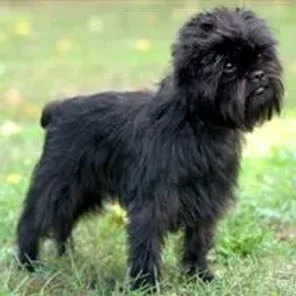
Affenpinscher
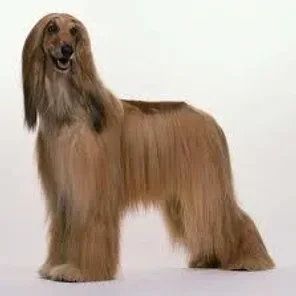
Afghan Hound
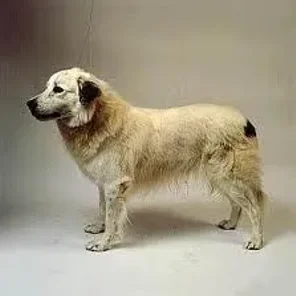
Aidi
Airedale Terrier
Akbash
Akita Inu
Alano Español
Alapaha Blue Blood Bulldog
Alaskan Klee Kai
Alaskan Malamute
Alpine Dachsbracke
American Akita

American Alsatian
American Bulldog
American Bully
American Eskimo
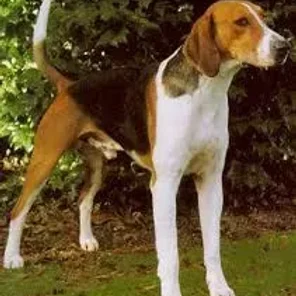
American Foxhound
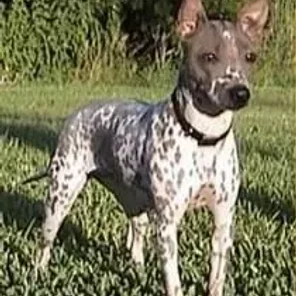
American Hairless Terrier

American Mastiff
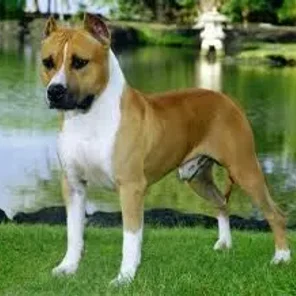
American Staffordshire Terrier

American Water Spaniel
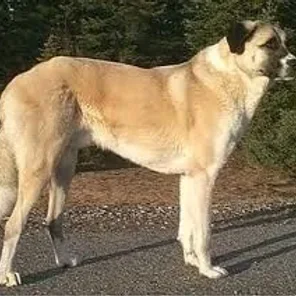
Anatolian Shepherd
Anglo-Français de Petite Vénerie
Antebellum Bulldog
Appenzeller Sennenhund
Ariege Pointer
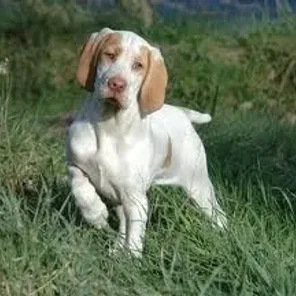
Ariegeois
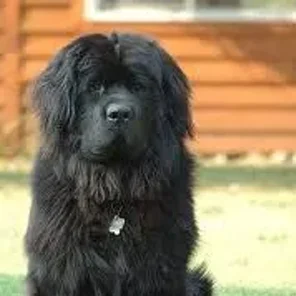
Armant

Armenian Gampr
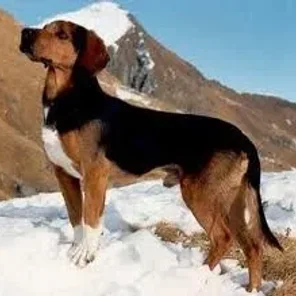
Artois Hound

Australian Bulldog
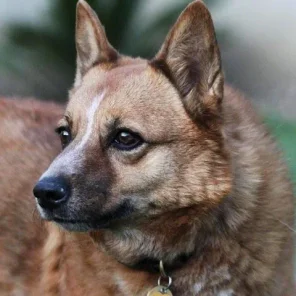
Australian Cattle Dog
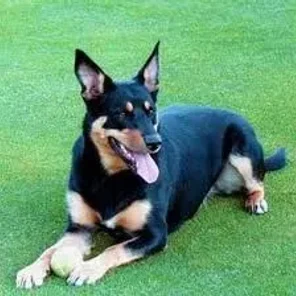
Australian Kelpie
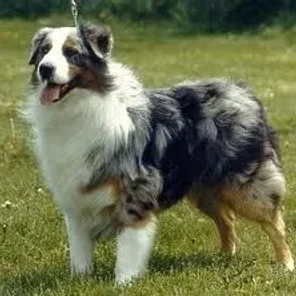
Australian Shepherd
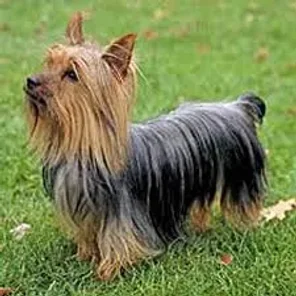
Australian Silky Terrier
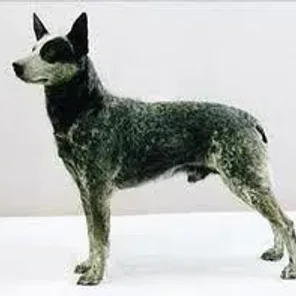
Australian Stumpy Tail Cattle Dog
Australian Terrier
Austrian Black and Tan Hound

Austrian Pinscher
Azawakh
Bakharwal
Barbet
Basenji
Basque Shepherd

Basset Artésien Normand

Basset Bleu de Gascogne
Basset Fauve de Bretagne

Basset Hound
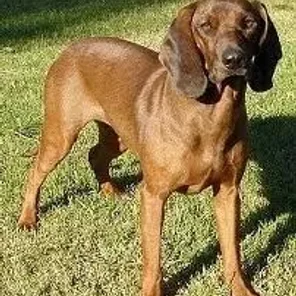
Bavarian Mountain Hound
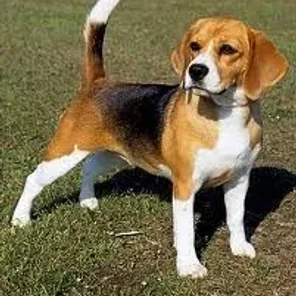
Beagle

Beagle-Harrier
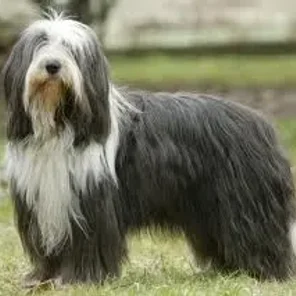
Bearded Collie

Beauceron

Bedlington Terrier

Belgian Sheepdog

Belgian Shepherd (Groenendael)
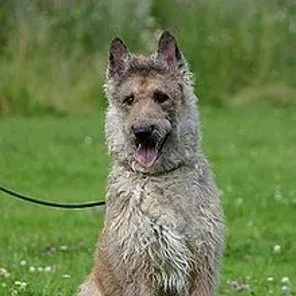
Belgian Shepherd (Laekenois)

Belgian Shepherd (Malinois)
Belgian Shepherd (Tervuren)
Bergamasco Shepherd
Berger Picard
Berner Laufhund
Bernese Mountain
Bichon Frisé
Billy
Bisben
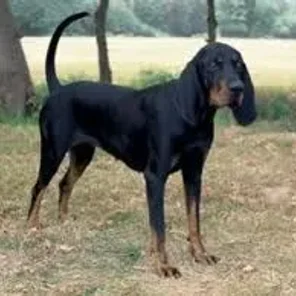
Black and Tan Coonhound
Black and Tan Virginia Foxhound
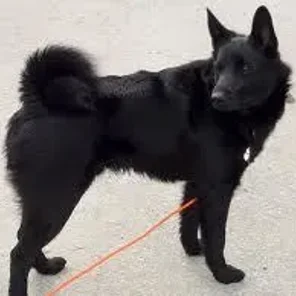
Black Norwegian Elkhound

Black Russian Terrier
Blackmouth Cur
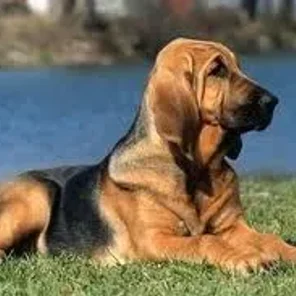
Bloodhound
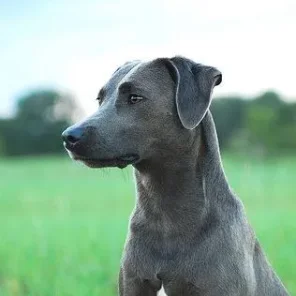
Blue Lacy

Bluetick Coonhound

Boerboel

Bohemian Shepherd
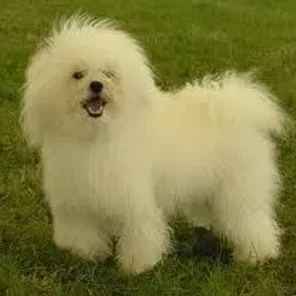
Bolognese
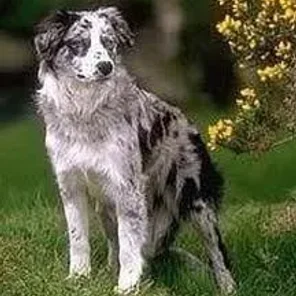
Border Collie

Border Terrier
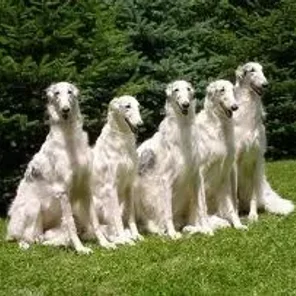
Borzoi
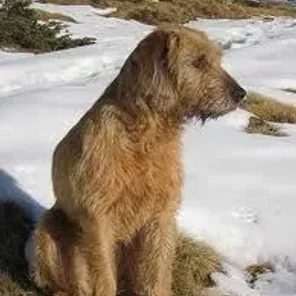
Bosnian Coarse-haired Hound

Boston Terrier
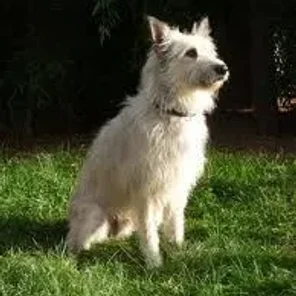
Bouvier des Ardennes
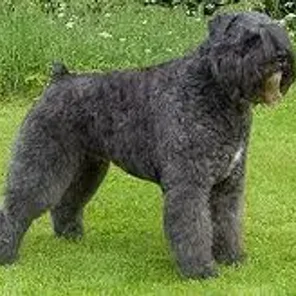
Bouvier des Flandres
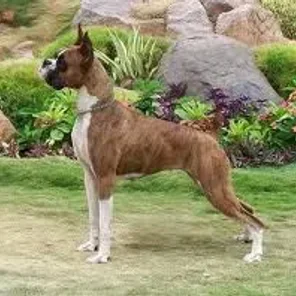
Boxer
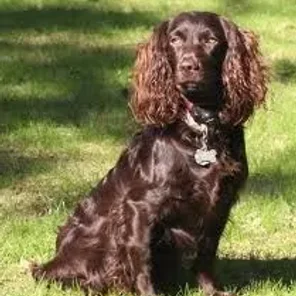
Boykin Spaniel
Bracco Italiano

Braque d'Auvergne
Braque du Bourbonnais
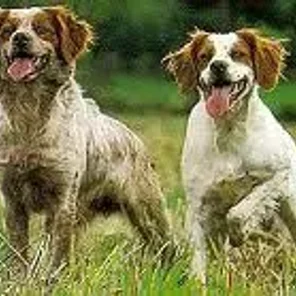
Braque du Puy
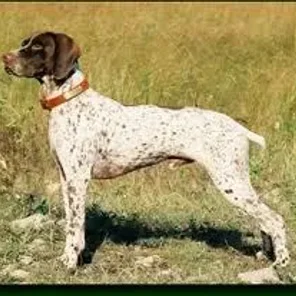
Braque Francais
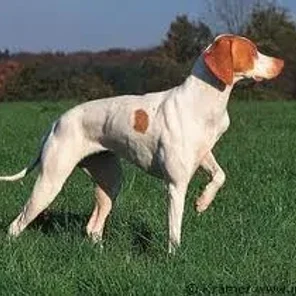
Braque Saint-Germain
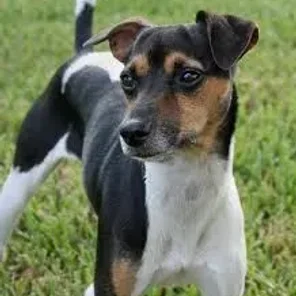
Brazilian Terrier

Briard
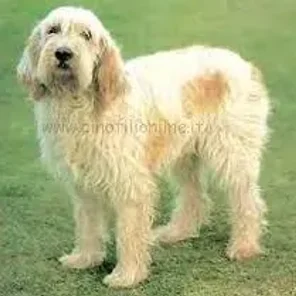
Briquet Griffon Vendéen
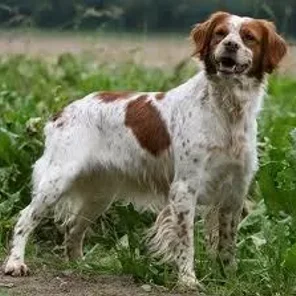
Brittany
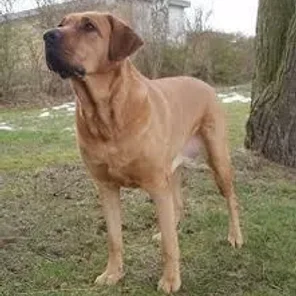
Broholmer
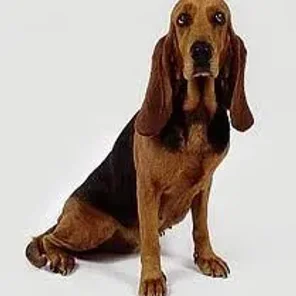
Bruno Jura Hound
Bucovina Shepherd
Bull Terrier
Bull Terrier (Miniature)
Bulldog
Bulldog Campeiro
Bullmastiff
Bully Kutta
Cairn Terrier
Canaan
Canadian Eskimo
Cane Corso

Cão da Serra de Aires

Cão de Castro Laboreiro
Cão Fila de São Miguel

Cardigan Welsh Corgi
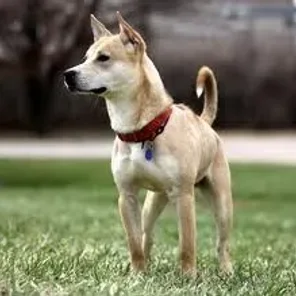
Carolina
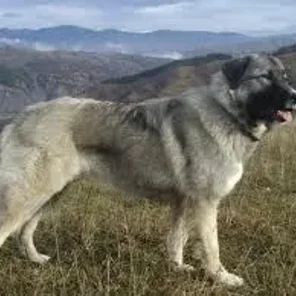
Carpathian Shepherd
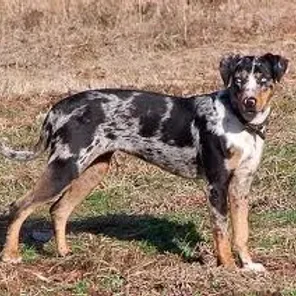
Catahoula Cur
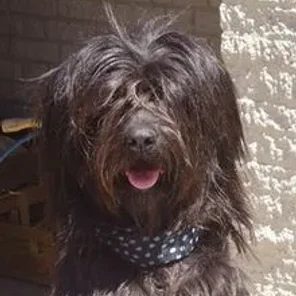
Catalan Sheepdog
Caucasian Shepherd
Cavalier King Charles Spaniel
Central Asian Shepherd
Cesky Fousek
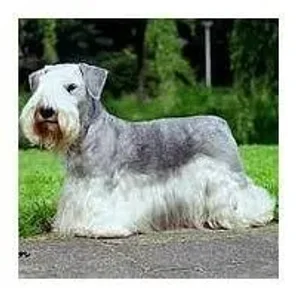
Cesky Terrier
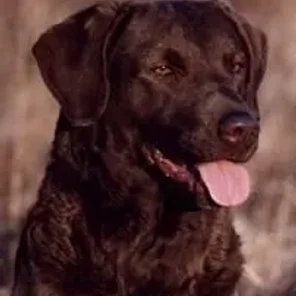
Chesapeake Bay Retriever
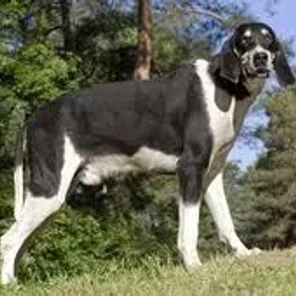
Chien Français Blanc et Noir
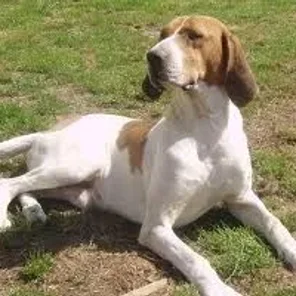
Chien Français Blanc et Orange

Chien Français Tricolore
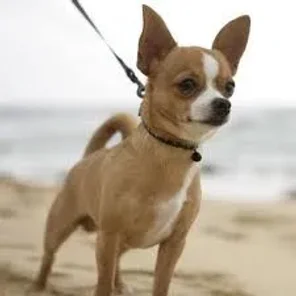
Chihuahua
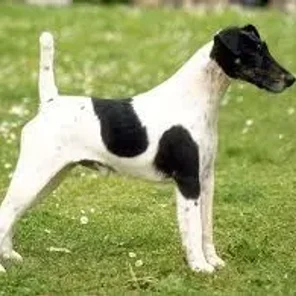
Chilean Fox Terrier
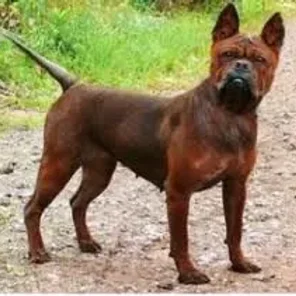
Chinese Chongqing
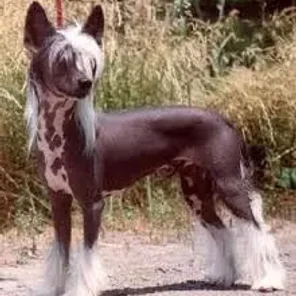
Chinese Crested

Chinese Imperial
Chinook
Chippiparai
Chow Chow
Cierny Sery

Cimarrón Uruguayo
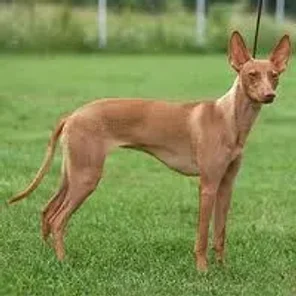
Cirneco dell'Etna
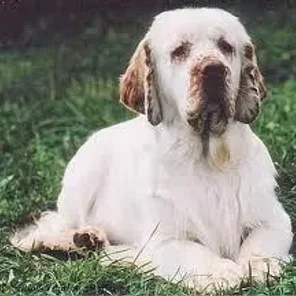
Clumber Spaniel
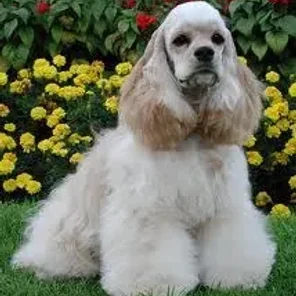
Cocker Spaniel
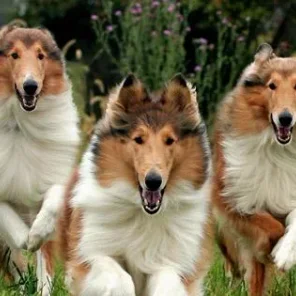
Collie
Combai
Coton de Tulear
Coydog

Cretan Hound
Croatian Sheepdog

Curly Coated Retriever

Cursinu
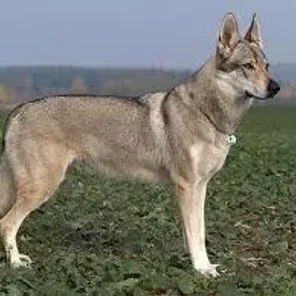
Czechoslovak Wolfdog
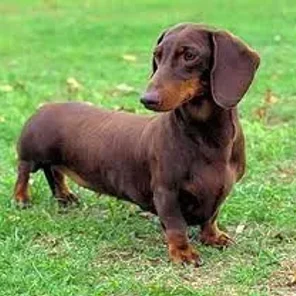
Dachshund
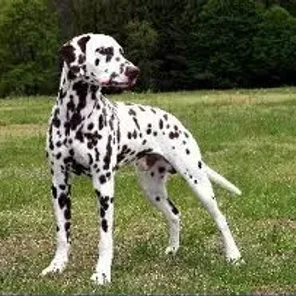
Dalmatian
Dandie Dinmont Terrier
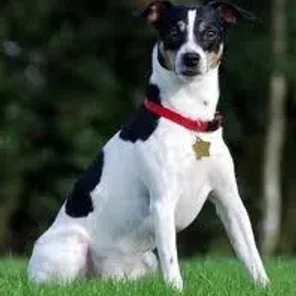
Danish Swedish Farmdog

Deutsche Bracke
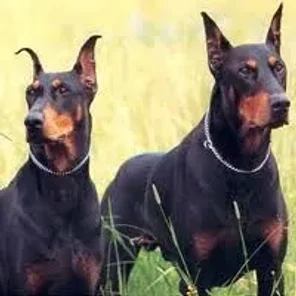
Doberman Pinscher
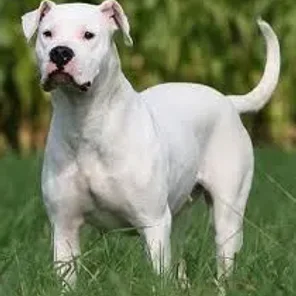
Dogo Argentino
Dogo Guatemalteco
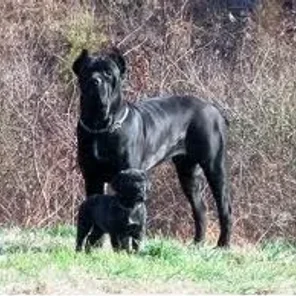
Dogo Sardesco
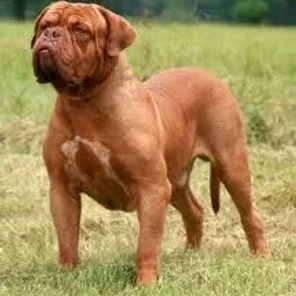
Dogue de Bordeaux
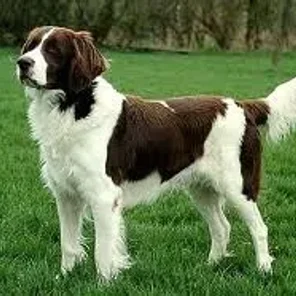
Drentse Patrijshond
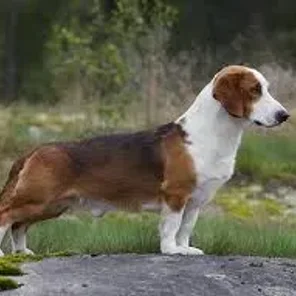
Drever
Dunker
Dutch Shepherd
Dutch Smoushond
East Siberian Laika
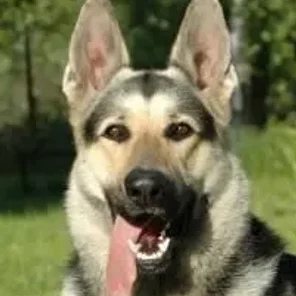
East-European Shepherd
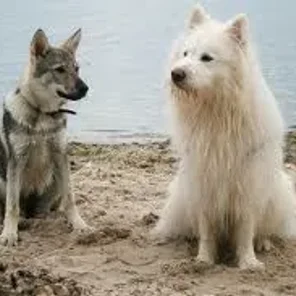
Elo
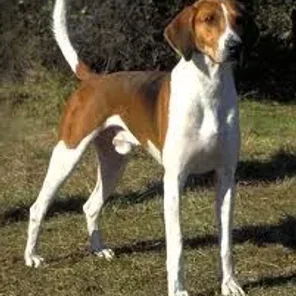
English Coonhound
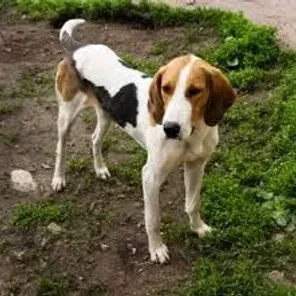
English Foxhound
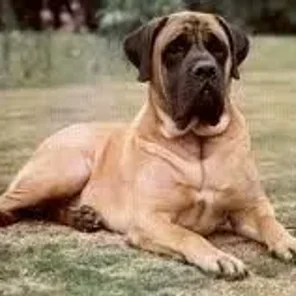
English Mastiff
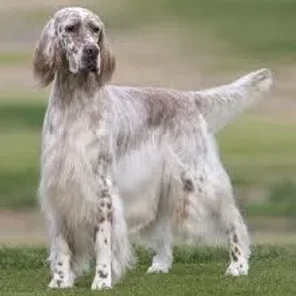
English Setter

English Shepherd
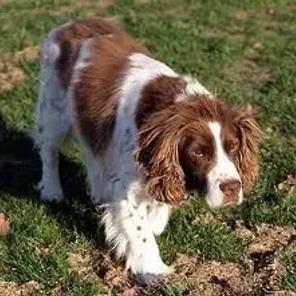
English Springer Spaniel
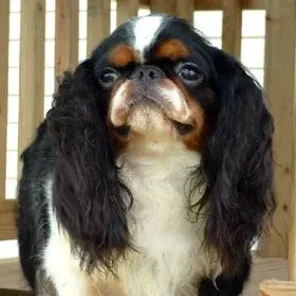
English Toy Spaniel
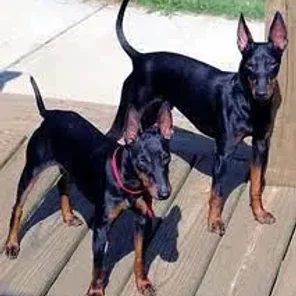
English Toy Terrier (Black & Tan)
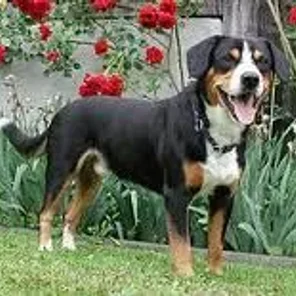
Entlebucher Mountain Dog
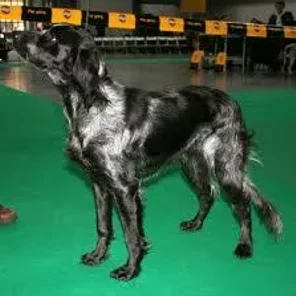
Épagneul Bleu de Picardie
Estonian Hound
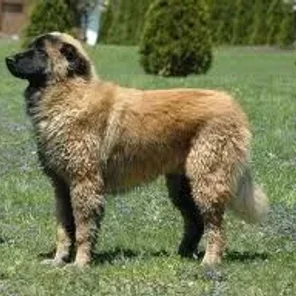
Estrela Mountain
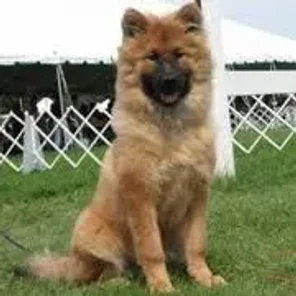
Eurasier
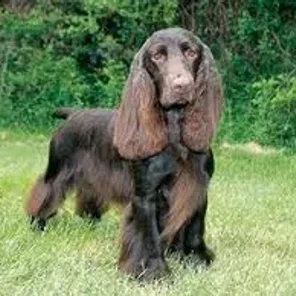
Field Spaniel
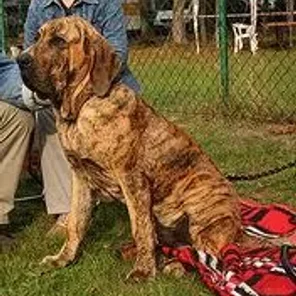
Fila Brasileiro
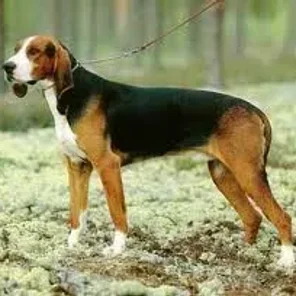
Finnish Hound
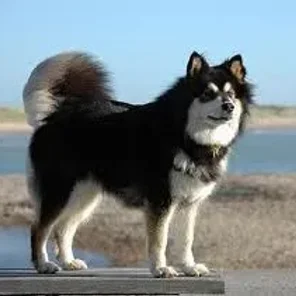
Finnish Lapphund
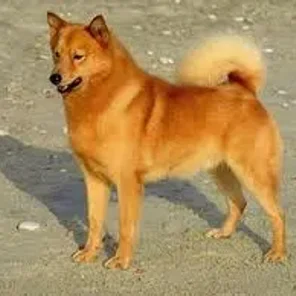
Finnish Spitz

Flat Coated Retriever
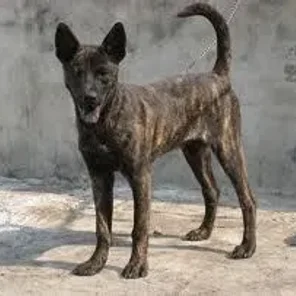
Formosan Mountain Dog
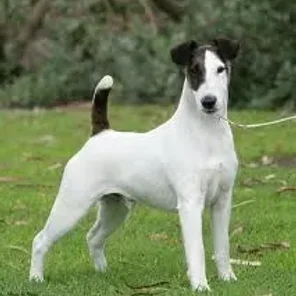
Fox Terrier (Smooth)
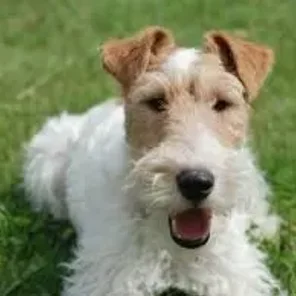
Fox Terrier (Wire)
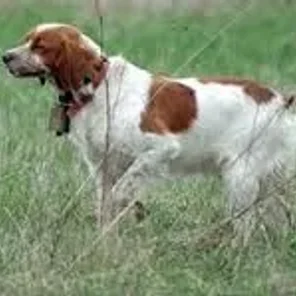
French Brittany

French Bulldog
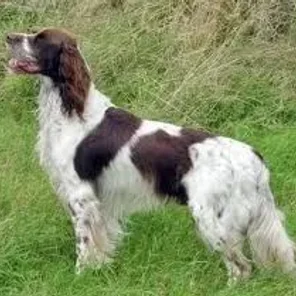
French Spaniel
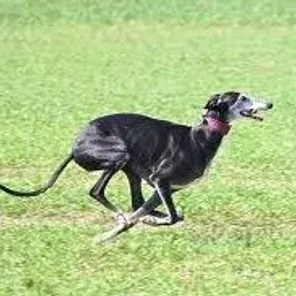
Galgo Espanol
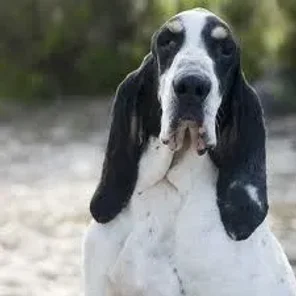
Gascon Saintongeois

German Longhaired Pointer
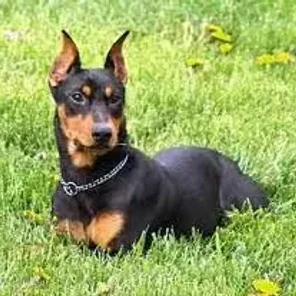
German Pinscher
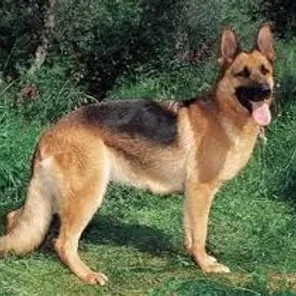
German Shepherd
German Shorthaired Pointer

German Spaniel

German Spitz
German Wirehaired Pointer
Giant Schnauzer
Glen of Imaal Terrier

Golden Retriever
Gordon Setter

Gran Mastín de Borínquen
Grand Anglo-Francais Blanc et Noir

Grand Anglo-Francais Blanc et Orange
Grand Anglo-Francais Tricolore
Grand Basset Griffon Vendéen
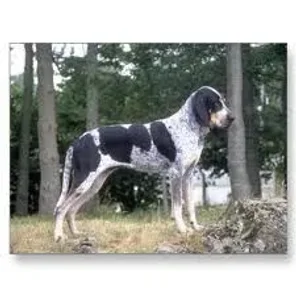
Grand Bleu de Gascogne
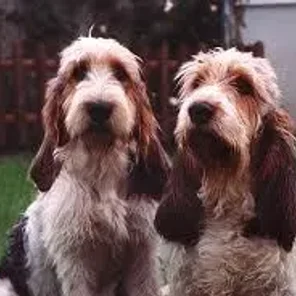
Grand Griffon Vendéen
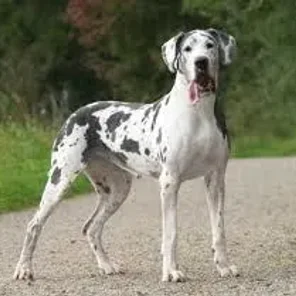
Great Dane
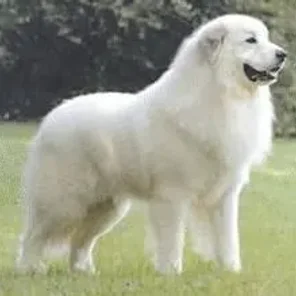
Great Pyrenees
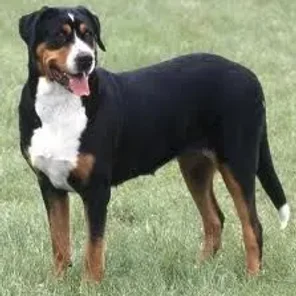
Greater Swiss Mountain Dog
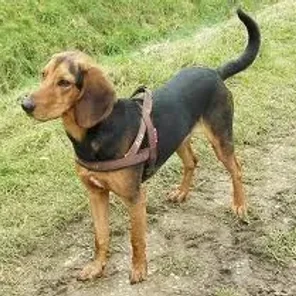
Greek Harehound
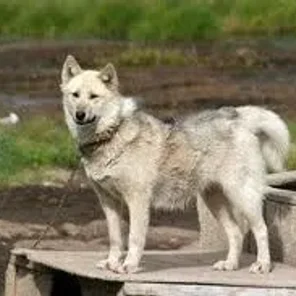
Greenland
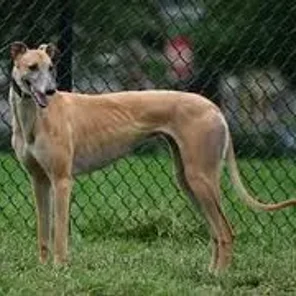
Greyhound
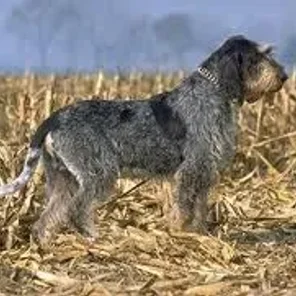
Griffon Bleu de Gascogne
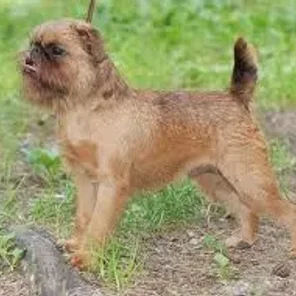
Griffon Bruxellois

Griffon Fauve de Bretagne
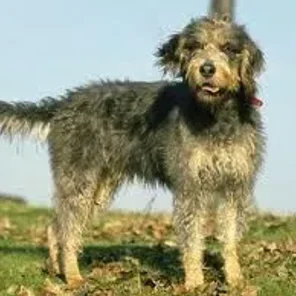
Griffon Nivernais
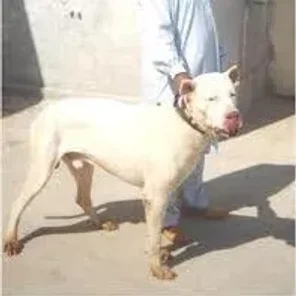
Gull Dong
Gull Terr
Hamiltonstövare
Hanover Hound

Harrier
Havanese
Himalayan Sheepdog
Hokkaido
Hortaya Borzaya
Hovawart
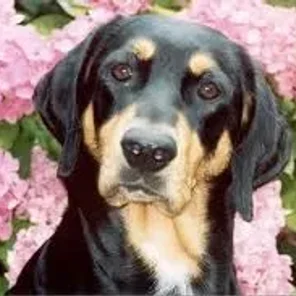
Hungarian Hound
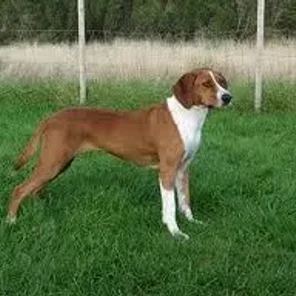
Hygenhund
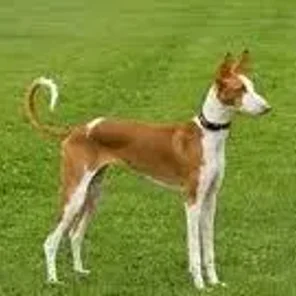
Ibizan Hound
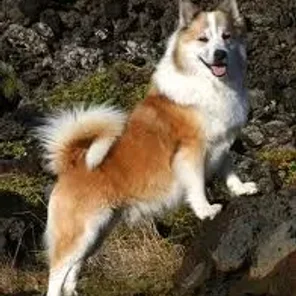
Icelandic Sheepdog

Indian Spitz
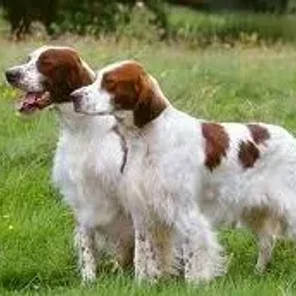
Irish Red and White Setter
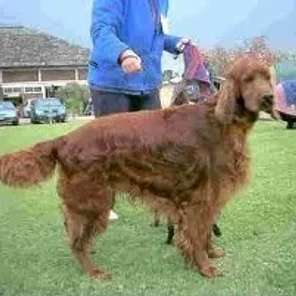
Irish Setter
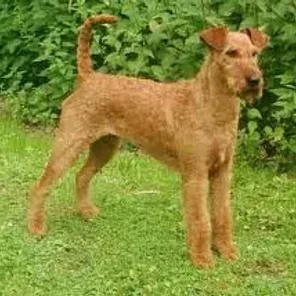
Irish Terrier
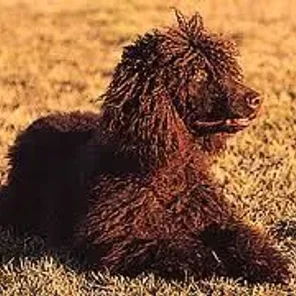
Irish Water Spaniel
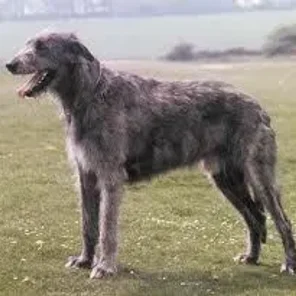
Irish Wolfhound
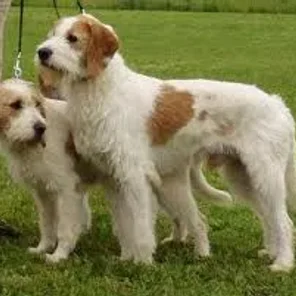
Istrian Coarse-haired Hound
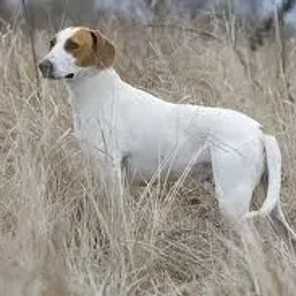
Istrian Shorthaired Hound
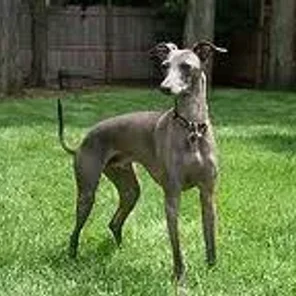
Italian Greyhound
Jack Russell Terrier

Jagdterrier
Jämthund

Japanese Chin
Japanese Spitz
Japanese Terrier
Jonangi
Kai Ken
Kaikadi

Kangal

Kanni
Karakachan
Karelian Bear Dog
Karst Shepherd
Keeshond
Kerry Beagle
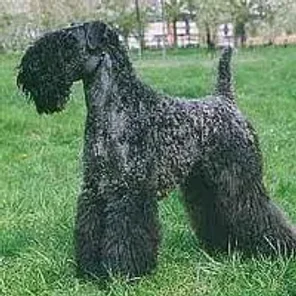
Kerry Blue Terrier
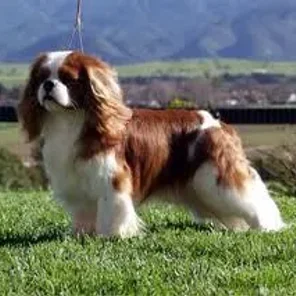
King Charles Spaniel
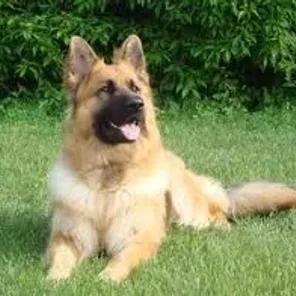
King Shepherd

Kintamani

Kishu
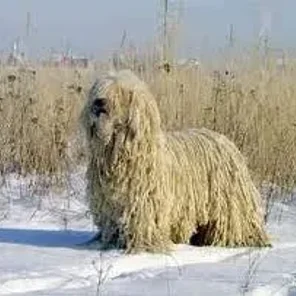
Komondor
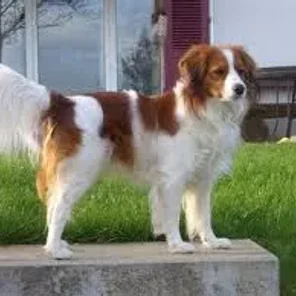
Kooikerhondje
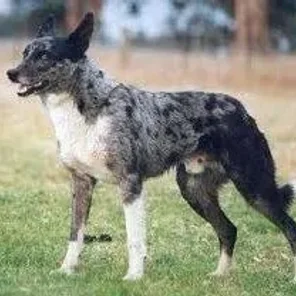
Koolie
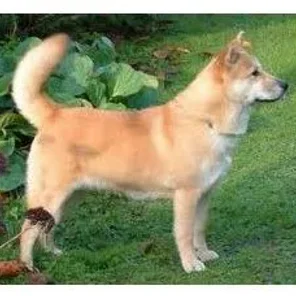
Korean Jindo
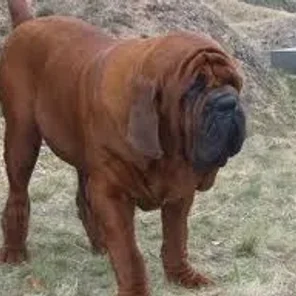
Korean Mastiff

Kromfohrländer
Kunming Wolfdog
Kuvasz
Kyi-Leo
Labrador Husky

Labrador Retriever
Lagotto Romagnolo
Lakeland Terrier

Lancashire Heeler
Landseer
Lapponian Herder
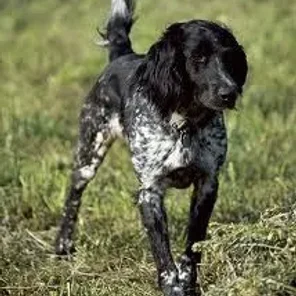
Large Münsterländer
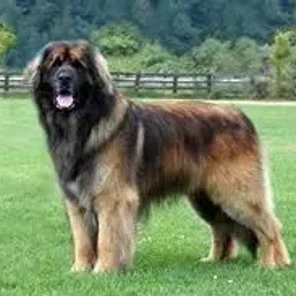
Leonberger
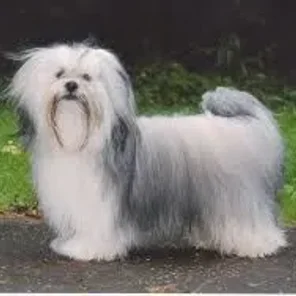
Lhasa Apso
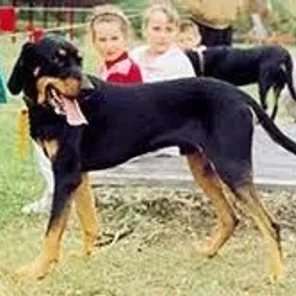
Lithuanian Hound

Longhaired Whippet
Löwchen
Magyar Agár
Maltese
Manchester Terrier
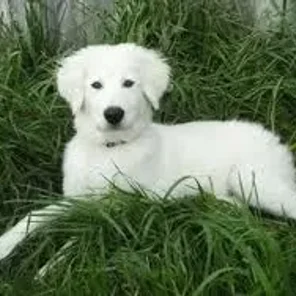
Maremma Sheepdog
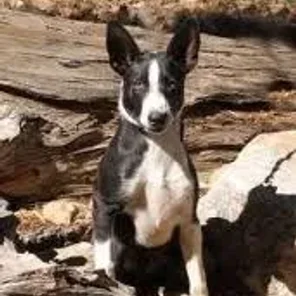
McNab
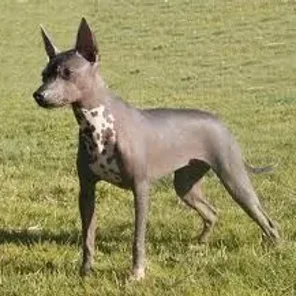
Mexican Hairless
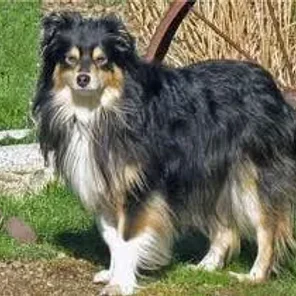
Miniature Australian Shepherd
Miniature Fox Terrier
Miniature Pinscher
Miniature Schnauzer
Mioritic
Montenegrin Mountain Hound
Moscow Watchdog

Mountain Cur
Mountain View Cur
Mucuchies

Mudhol Hound
Mudi
Murray River Curly Coated Retriever
Native American Indian Dog
Neapolitan Mastiff

New Zealand Huntaway
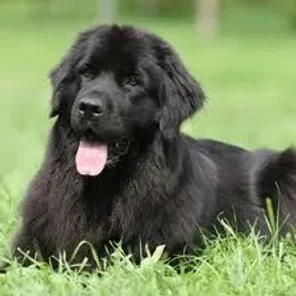
Newfoundland
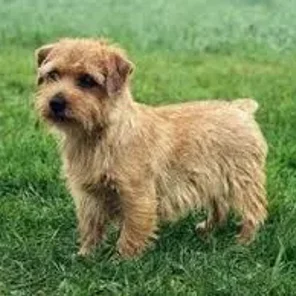
Norfolk Terrier

Norrbottenspets
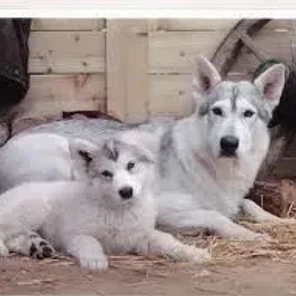
Northern Inuit
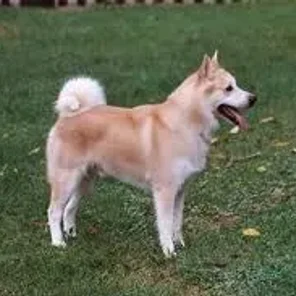
Norwegian Buhund
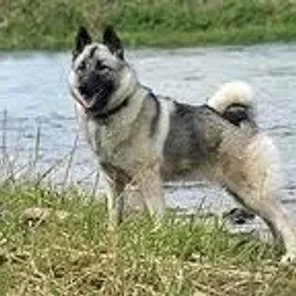
Norwegian Elkhound
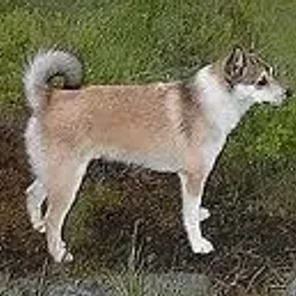
Norwegian Lundehund

Norwich Terrier
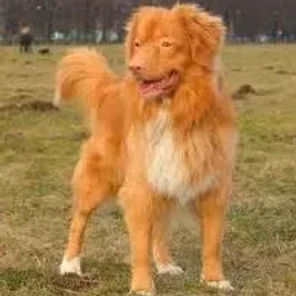
Nova Scotia Duck-Tolling Retriever
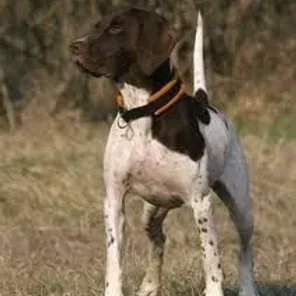
Old Danish Pointer
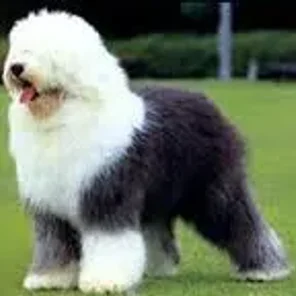
Old English Sheepdog
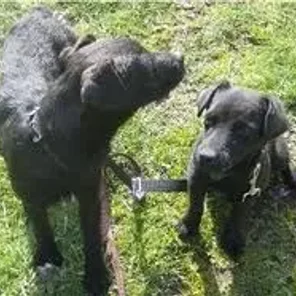
Old English Terrier
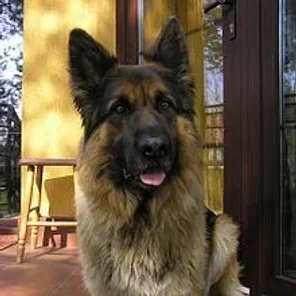
Old German Shepherd
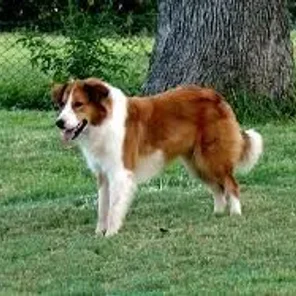
Old Time Farm Shepherd
Olde English Bulldogge
Otterhound
Pachon Navarro

Papillon
Parson Russell Terrier
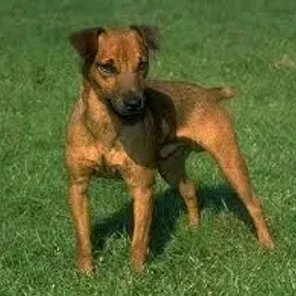
Patterdale Terrier
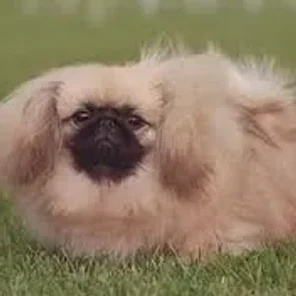
Pekingese
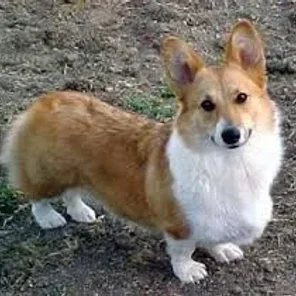
Pembroke Welsh Corgi
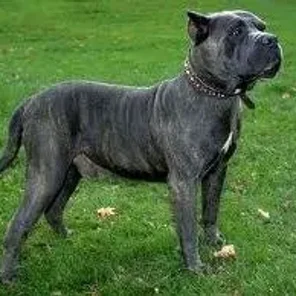
Perro de Presa Canario
Perro de Presa Mallorquin
Peruvian Hairless
Petit Basset Griffon Vendéen
Petit Bleu de Gascogne

Phalène

Pharaoh Hound
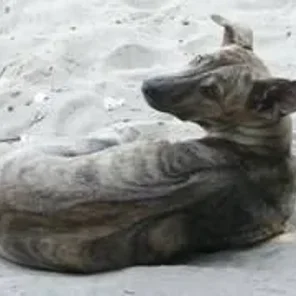
Phu Quoc ridgeback
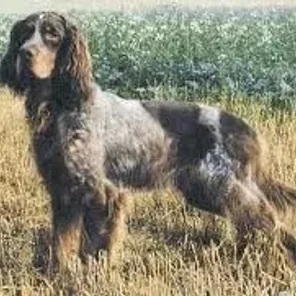
Picardy Spaniel
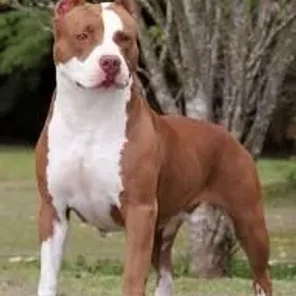
Pit Bull Terrier

Plott Hound
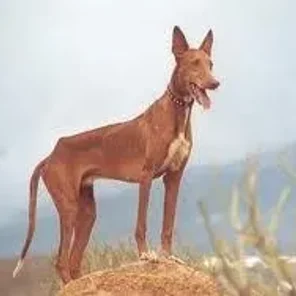
Podenco Canario
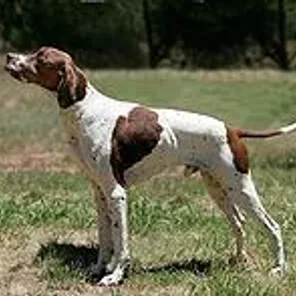
Pointer
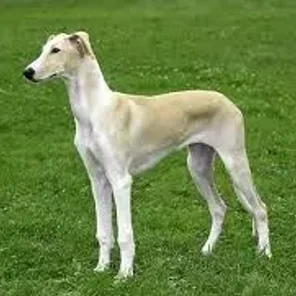
Polish Greyhound
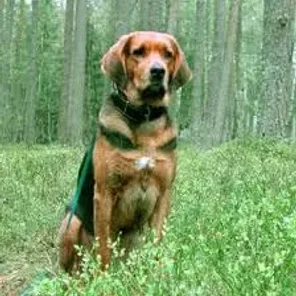
Polish Hound

Polish Hunting
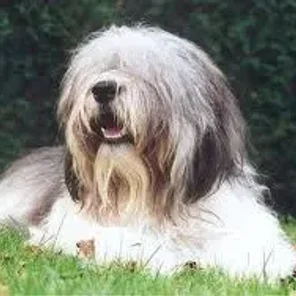
Polish Lowland Sheepdog
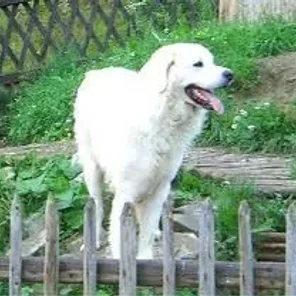
Polish Tatra Sheepdog
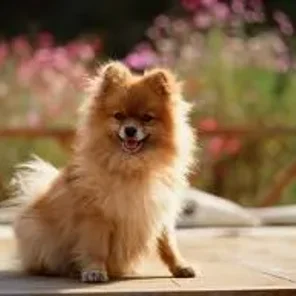
Pomeranian
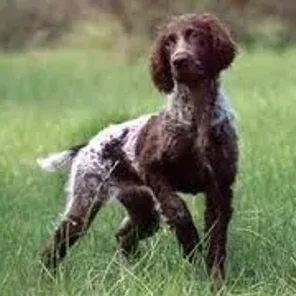
Pont-Audemer Spaniel
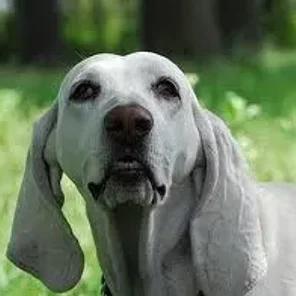
Porcelaine

Portuguese Podengo
Portuguese Pointer
Portuguese Water Dog
Posavac Hound
Pražský Krysarík
Pudelpointer
Pug
Puli
Pumi

Pungsan
Pyrenean Mastiff
Pyrenean Shepherd
Rafeiro do Alentejo

Rajapalayam

Rampur Greyhound
Rat Terrier
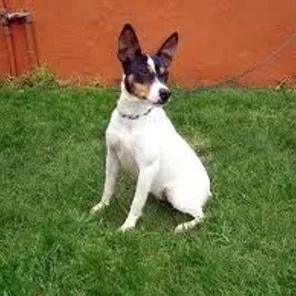
Ratonero Bodeguero Andaluz

Redbone Coonhound
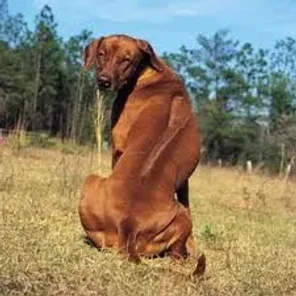
Rhodesian Ridgeback
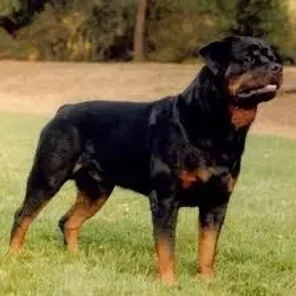
Rottweiler
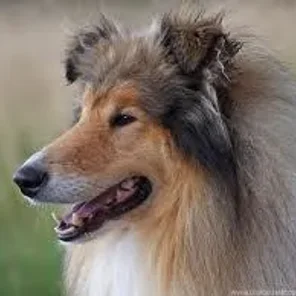
Rough Collie

Russian Spaniel
Russian Toy
Russo-European Laika
Saarlooswolfhond
Sabueso Español
Saint Bernard
Saint-Usuge Spaniel
Sakhalin Husky

Saluki

Samoyed
Sapsali
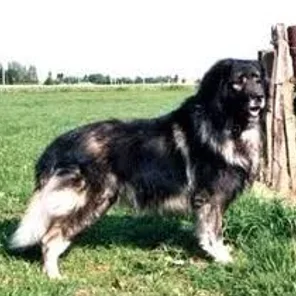
Sarplaninac

Schapendoes

Schillerstövare
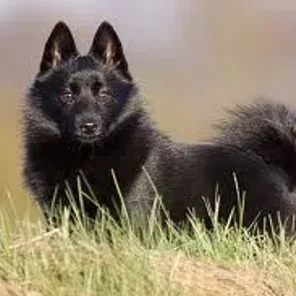
Schipperke
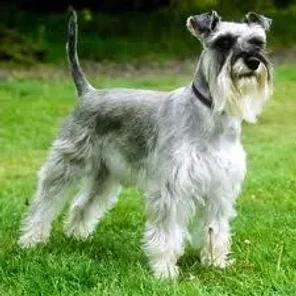
Schnauzer
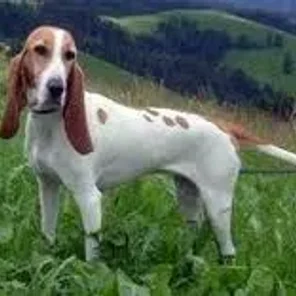
Schweizer Laufhund

Schweizerischer Niederlaufhund
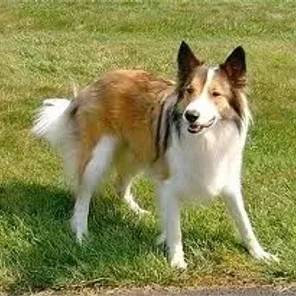
Scotch Collie
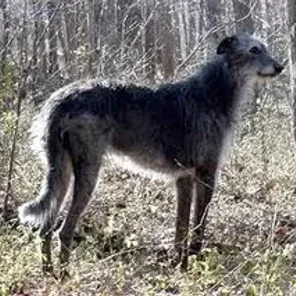
Scottish Deerhound
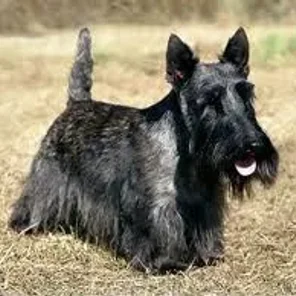
Scottish Terrier
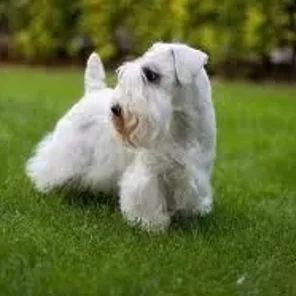
Sealyham Terrier
Segugio Italiano

Seppala Siberian Sleddog

Serbian Hound
Serbian Tricolour Hound
Shar Pei
Shetland Sheepdog
Shiba Inu

Shih Tzu
Shikoku
Shiloh Shepherd
Siberian Husky

Silken Windhound
Silky Terrier

Sinhala Hound
Skye Terrier
Sloughi

Slovak Cuvac
Slovakian Rough-haired Pointer
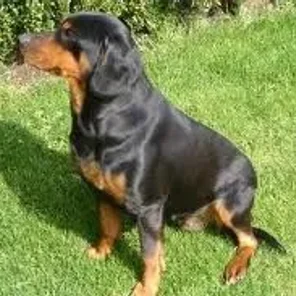
Slovenský Kopov
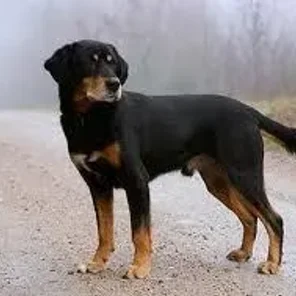
Smålandsstövare
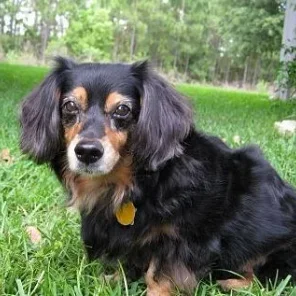
Small Greek Domestic
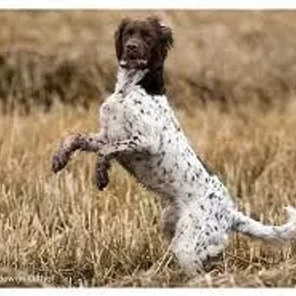
Small Münsterländer

Smooth Collie
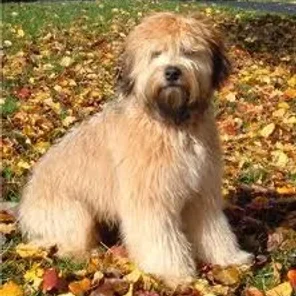
Soft-Coated Wheaten Terrier
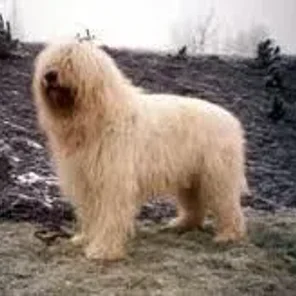
South Russian Ovcharka

Spanish Mastiff
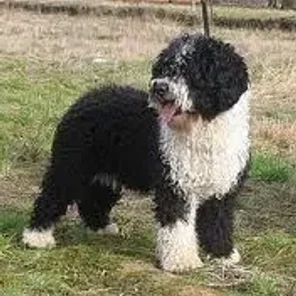
Spanish Water Dog
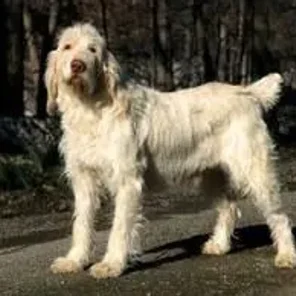
Spinone Italiano

Sporting Lucas Terrier
Stabyhoun
Staffordshire Bull Terrier
Standard Schnauzer
Stephens Cur

Styrian Coarse-haired Hound
Sussex Spaniel
Swedish Lapphund
Swedish Vallhund
Taigan
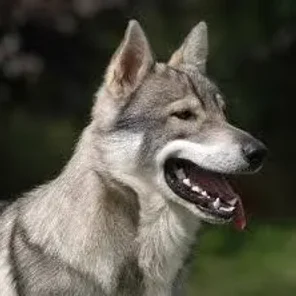
Tamaskan

Teddy Roosevelt Terrier
Telomian
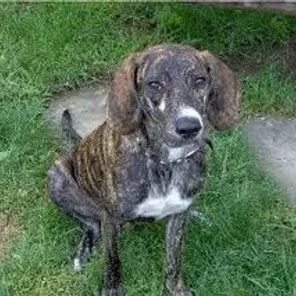
Tennessee Treeing Brindle
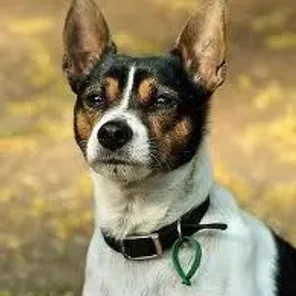
Tenterfield Terrier
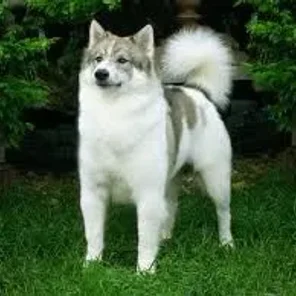
Thai Bangkaew
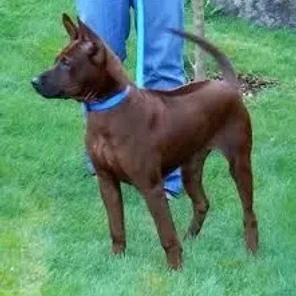
Thai Ridgeback
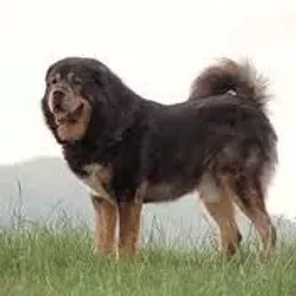
Tibetan Mastiff
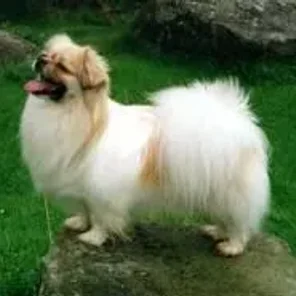
Tibetan Spaniel
Tibetan Terrier

Tornjak
Tosa
Toy Fox Terrier
Toy Manchester Terrier
Transylvanian Hound

Treeing Walker Coonhound
Trigg Hound
Tyrolean Hound
Utonagan
Vizsla
Volpino Italiano
Weimaraner
Welsh Sheepdog
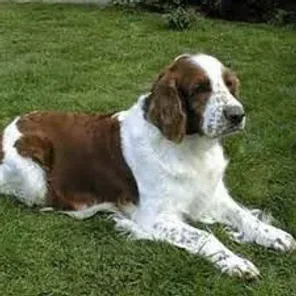
Welsh Springer Spaniel
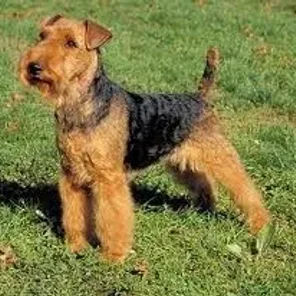
Welsh Terrier
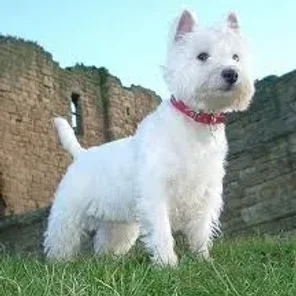
West Highland White Terrier
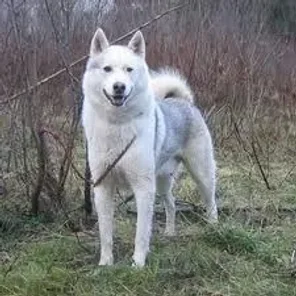
West Siberian Laika
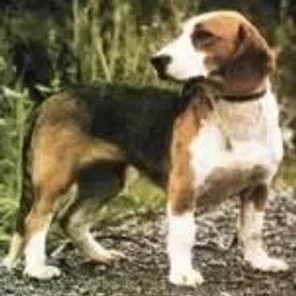
Westphalian Dachsbracke
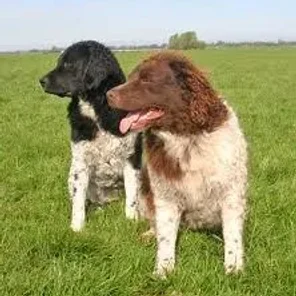
Wetterhoun
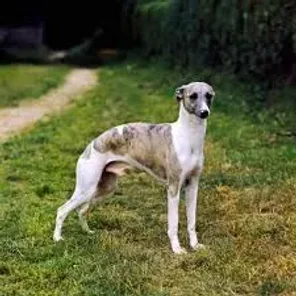
Whippet

White English Bulldog
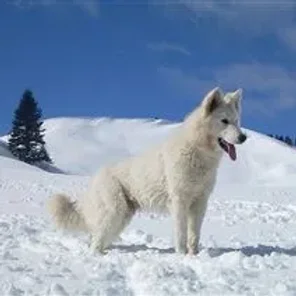
White Shepherd
Wirehaired Pointing Griffon

Wirehaired Vizsla
Yorkshire Terrier